
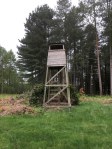


May 21st – Up on Cannock Chase, I went looking for a fire tower I’d heard had been rebuilt. These watchtowers are scattered throughout the forest, and I thought they’d slipped out of use; when I last visited this one up near Sow Street high on Wolseley Park in 2011, it had collapsed in the bad weather and was nothing more than a pile of rotten wood. Tipped off by fellow local historian Dave Fellows, I discovered in the week that it had been rebuilt – so I went to check it out.
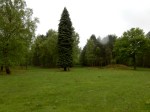
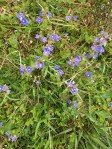
Sadly, it’s gated at the top so you can’t get in, but it’s a curious thing with an otherworldly feel. As the rain began to fall, the clearing the tower sits in – on the junction of five or six firebreaks for best visibility – came alive. Solitary, quiet apart from the rain on leaves, I realised how much wildlife was around on a dull day; I could hear deer in the wood, and the fungus and flowers were wonderful.
Then the heavens opened – but dry in waterproofs, even that was a sensory wonder.



 BrownhillsBob's #365daysofbiking