
March 25th – Out for a blast on a sunny, warm, spring today. Today is the day I realise I’ve survived, and this time, you did it with me. Today, the light came back and I become aware that I’d survived another dark winter. Commuting home in the light. Soon, after a brief reclamation, there will be bright mornings too. Together this year, we survived the darkness.
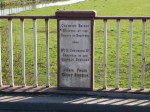
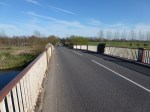
I felt great – forty miles in two and a half hours, I ripped through South Staffordshire, into Lichfield and out via Whitemoor Haye and Edingale. At the A513 river bridge between Alrewas and Croxall, known as Chetwynd’s or Salter’s Bridge, I stopped to look. Built in 1824, it was designed and overseen by renowned Lichfield architect Joseph Potter, who also designed Christchurch at Burntwood and Stafford County Lunatic Asylum. It’s a majestic, elegant yet sparse design, still in service and carrying heavy traffic. It is, however, and accident blackspot, and periodically vehicles end up through the balustrade and into the greasy grey green of the River Trent below…
 BrownhillsBob's #365daysofbiking