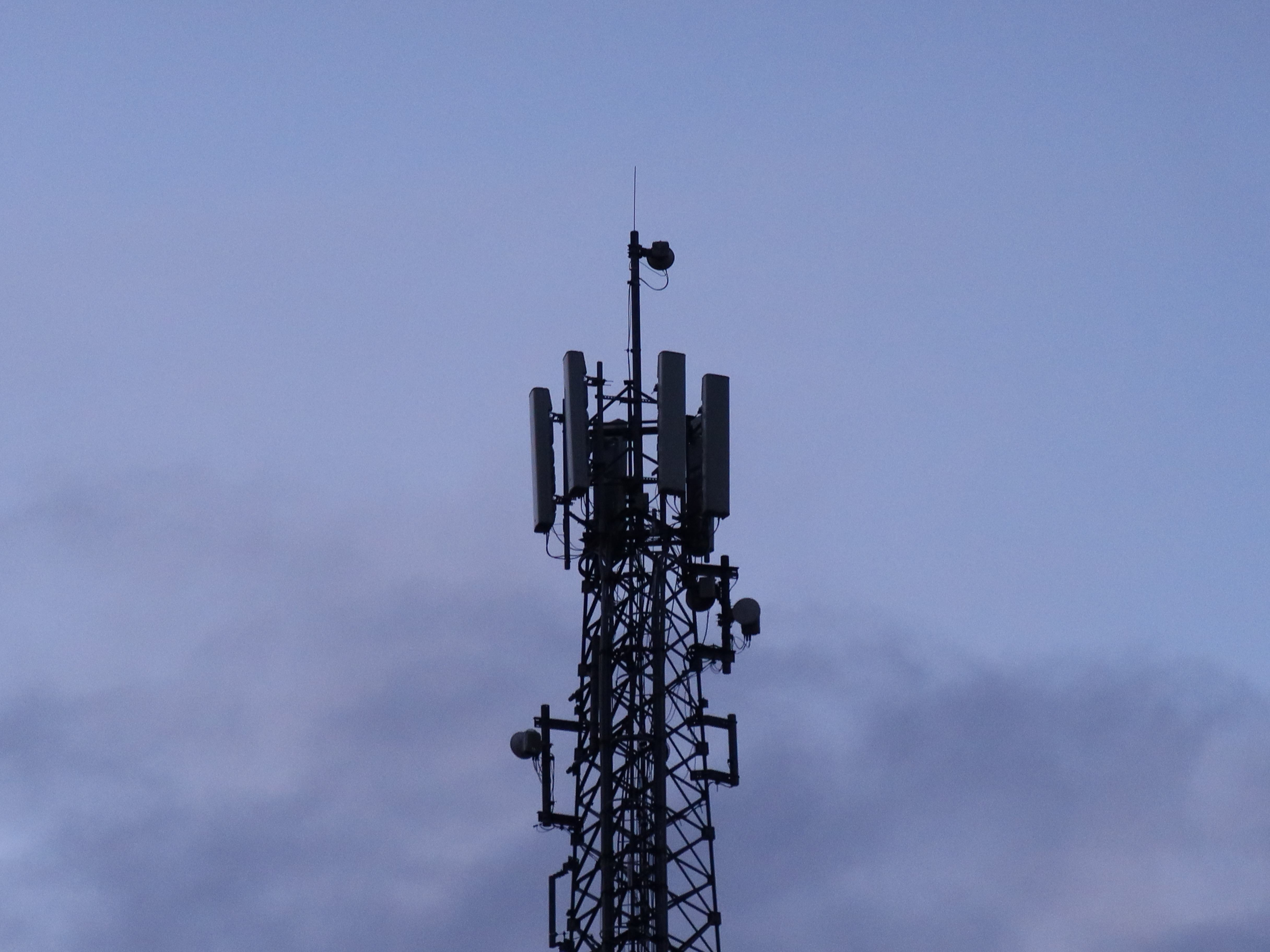
#365daysofbiking Radio activity

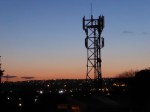
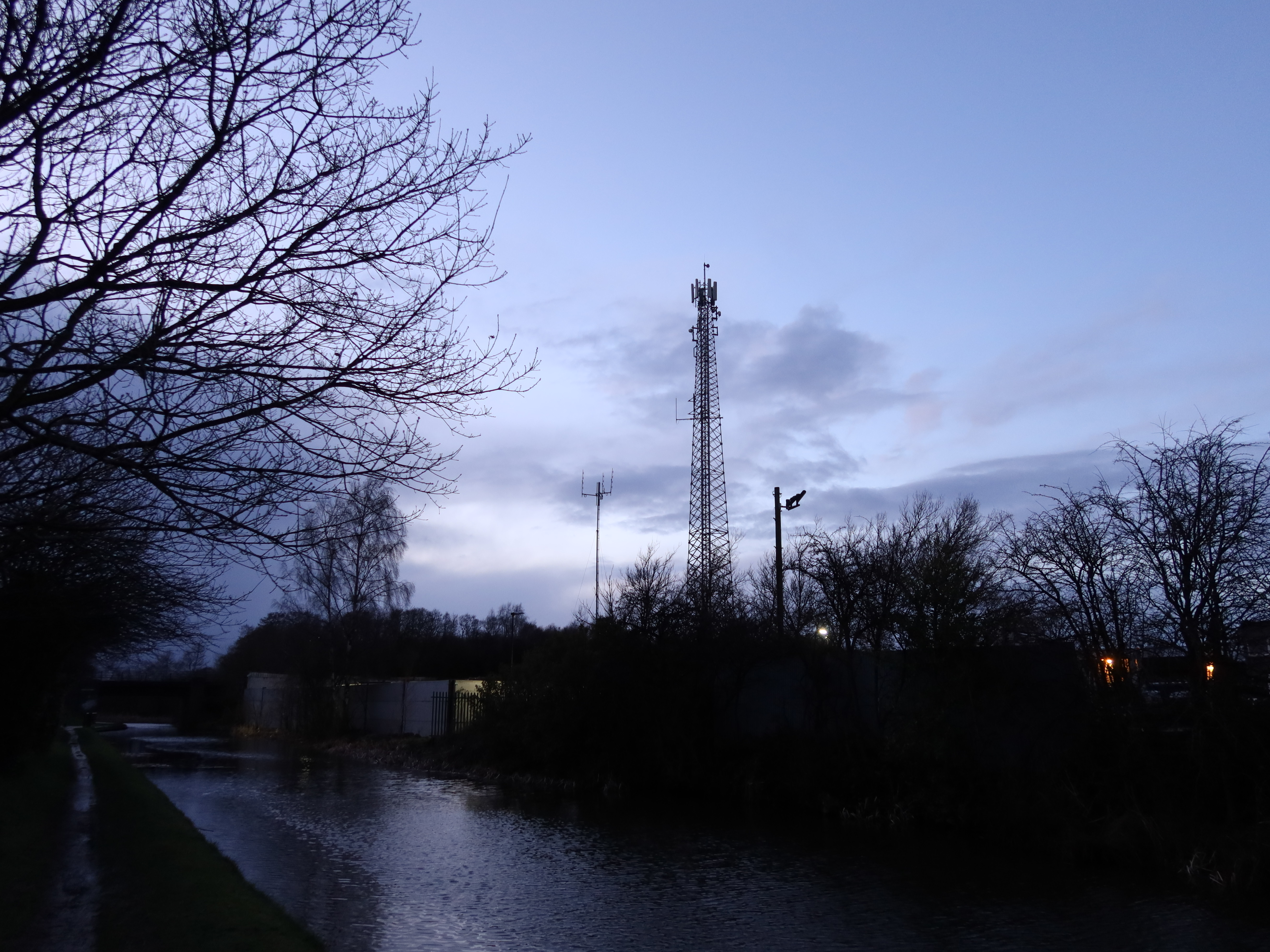
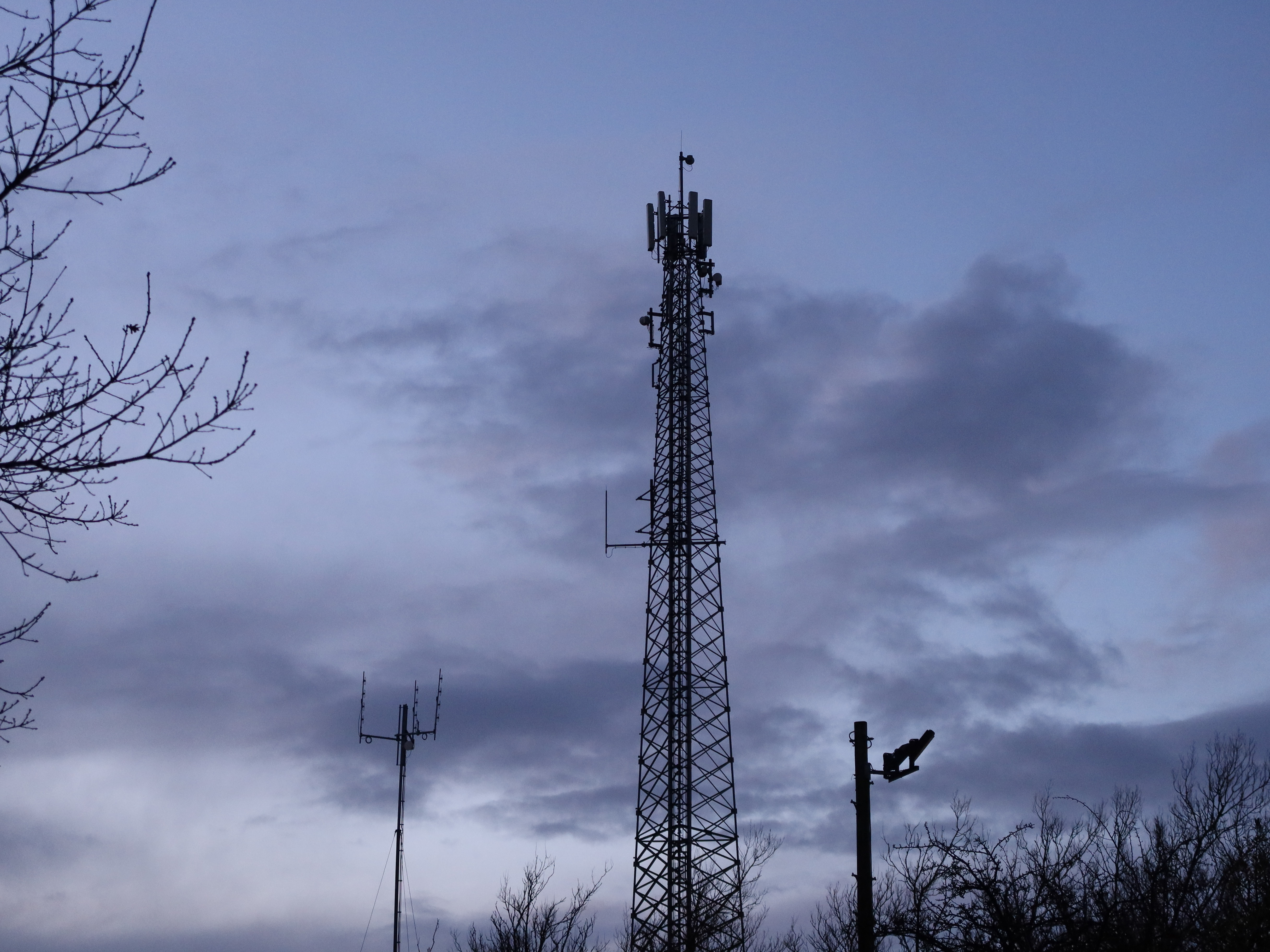
March 7th – Spinning over to Pelsall on at errand at dusk, I passed under the Old Cement Works Bridge at The Slough, and noted the radio masts there, the larger of which has always been a bit more than the average cellphone mast.

There since the days of analog mobile phones, it was the first cellphone basestation in the area and has been repeatedly upgraded as technology improved. I also carries on the same structure some microwave transceivers and what looks like maybe VHF telemetry antenna. It’s a busy mast for one lurking in a car park of an average, fairly remote trading estate.

Next to it of course, the three armed mast of a Tetra node, the UK emergency services digital network.

Antenna and masts fascinate me. And they never look better than against a dusk sky.

This journal is moving home. Find out more by clicking here

from Tumblr https://ift.tt/2QVxbGc
via IFTTT

July 1st – It was a great sunset, which I caught best from Meerash near Hammerwich. 

The sunsets lately really have been excellent.

I’m also a sucker for radio transmitters and sunsets – I find something really enigmatic about them.

A great end to not the best day, but a good evening outing none the less.

May 26th – A 116 mile ride into the Peak District and back – it was good to see some corners of the Ashbourne and Hopton areas I hadn’t seen in a good while, as well as ride the High Peak and Tissington trails.

More photos on my main blog later.

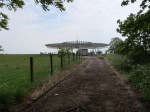
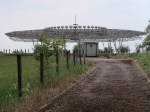
I took time out to ride Hognaston Winn, site of the curious and almost alien -looking Trent DVOR, an aircraft navigational aid, sat incongruously in a field just off the Ashbourne to Wirksworth road. It’s quite one of the oddest radio installations I’ve ever seen, but provides a vital service – see more here.

A great ride on a surprisingly good day.

February 10th – I’m quite liking the weather this week since it’s calmed down a bit. Cooler, clearer, some great evening skies. Sunset now well after 5pm, which means I’ll soon be commuting home in the light again.

In the meantime, stood silent sentry, but buzzing with unseen data, the cellphone station in Darlaston was a beautiful contrast to the black country dusk.

It seemed to be trading secrets with that beautiful crescent moon – which, as my grandfather might have said ‘is lying on it’s back and holding rain in its belly’ – so perhaps it’s not a good sign…

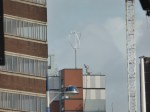
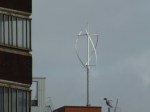
April 16th – For some weeks now, I’ve been perplexed by the appearance of what seemed like odd, helical antenna on the roofs of tall buildings around urban areas. I kept seeing them from the train. I grew quite interested in them, and decided to find out what they were. I tried to find one to photograph, and it took me over a week to do so. At one stage, they were so elusive I thought I must have dreamt their whole existence.

Today, I spotted two or three where I thought I’d seen them before – on top of office blocks in Birmingham City Centre. I eagerly took these pictures, posted them on social media, and asked what they were. It turns out they’re not antenna at all, but helical wind turbines.

They are micro generators. The reason I couldn’t find them is that when spinning, you can’t see them.

I’m fascinated – Cheers to The Aardvark, Paul Groves and Barry Carpenter, amongst others, who helped me out.

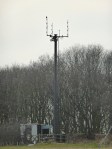
April 9th – Hiding in plain sight on the treeline of a small copse on Sandhills, near Shire Oak, is a Tetra mast. Painted matt brown to blend in with the background, it’s not a mobile phone cell tower, but one of the nodes of the emergency services radio communications and telemetry network for the UK.

Erected in the last decade, Tetra is a secure system designed for use specifically with emergency services in mind. Working at a lower frequency than normal mobile GSM, it’s more efficient structurally, provides secure, encrypted communications and provides all the features required for modern operations.

The network wasn’t without controversy, as the earliest systems interfered with TV transmissions in some instances, and it has proven very expensive to implement, although the system is in use now in much of the developed world.

There are a fair few of these installations around. Look out for them – like this one, they can be hard to spot, but mostly share the same, three-element design.