#365daysofbiking Dem feet tho


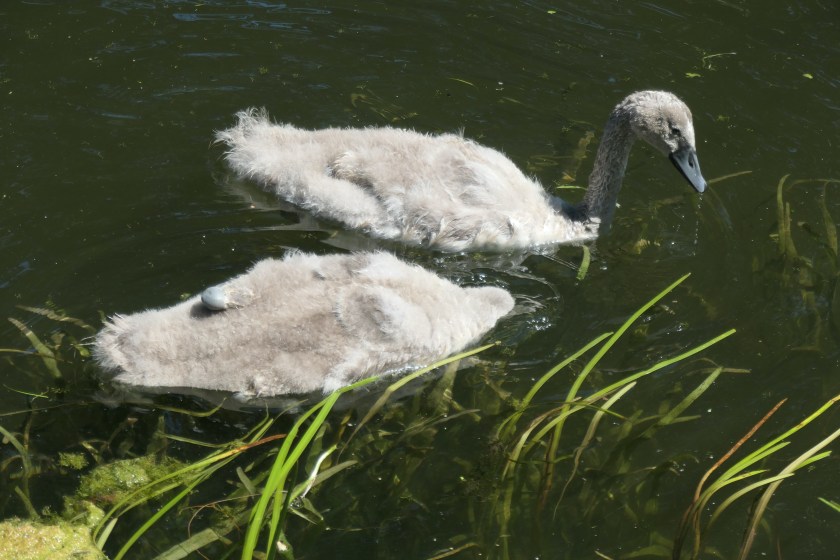
July 5th – Riding through Aldridge on the canal down through Longwood and Park Hall, the water life was busy and the canal limpid and green.

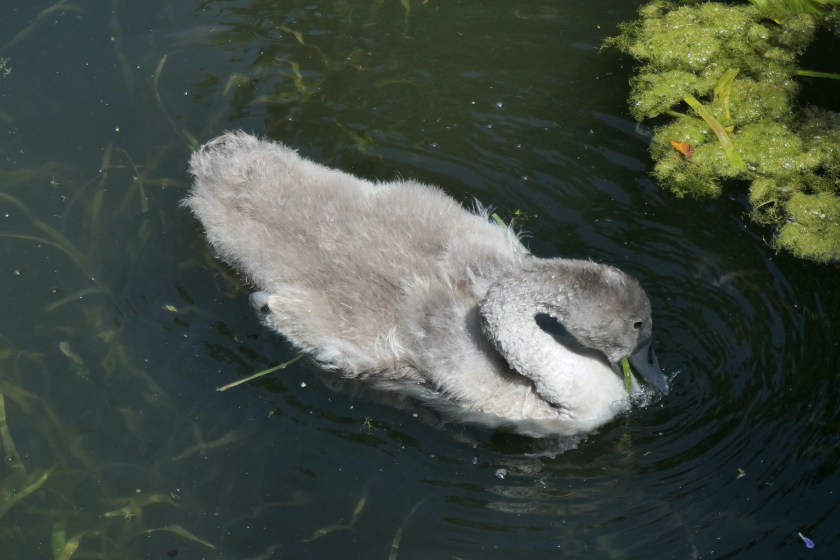
What interested me most were the water birds: I was once again reminded how very odd swan feet are – by a cygnet in this case – it’s foot tucked up on it’s back in rest position. They odd leathery texture – and those claws!

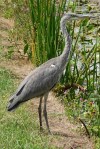
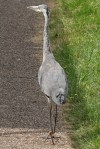
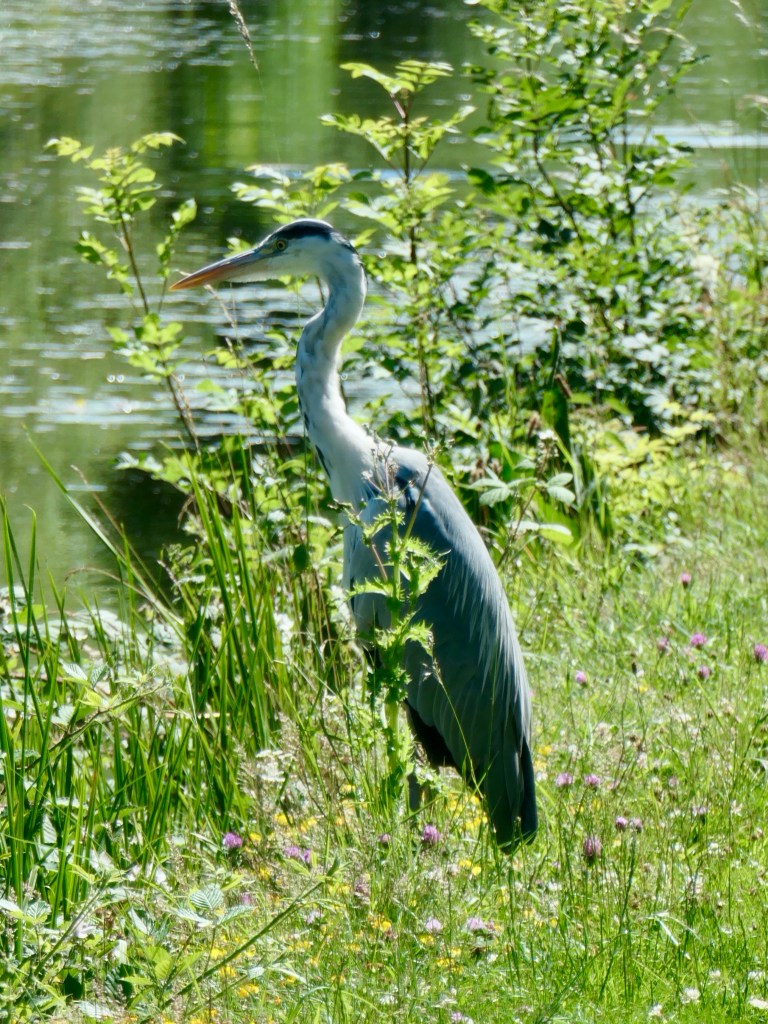
There was a gorgeously aloof, elderly heron too – who was active and looked in good health, except when he walked off I noticed a curious growth on his foot.

It wasn’t affecting his walk at all and he didn’t seem to bother him at all. I found myself wondering if it was some kind of ganglion like humans get.

Strange.

This journal is moving home. Find out more by clicking here.

from Tumblr https://ift.tt/2GcwqDs
via IFTTT

#365daysofbiking A bitter harvest coming

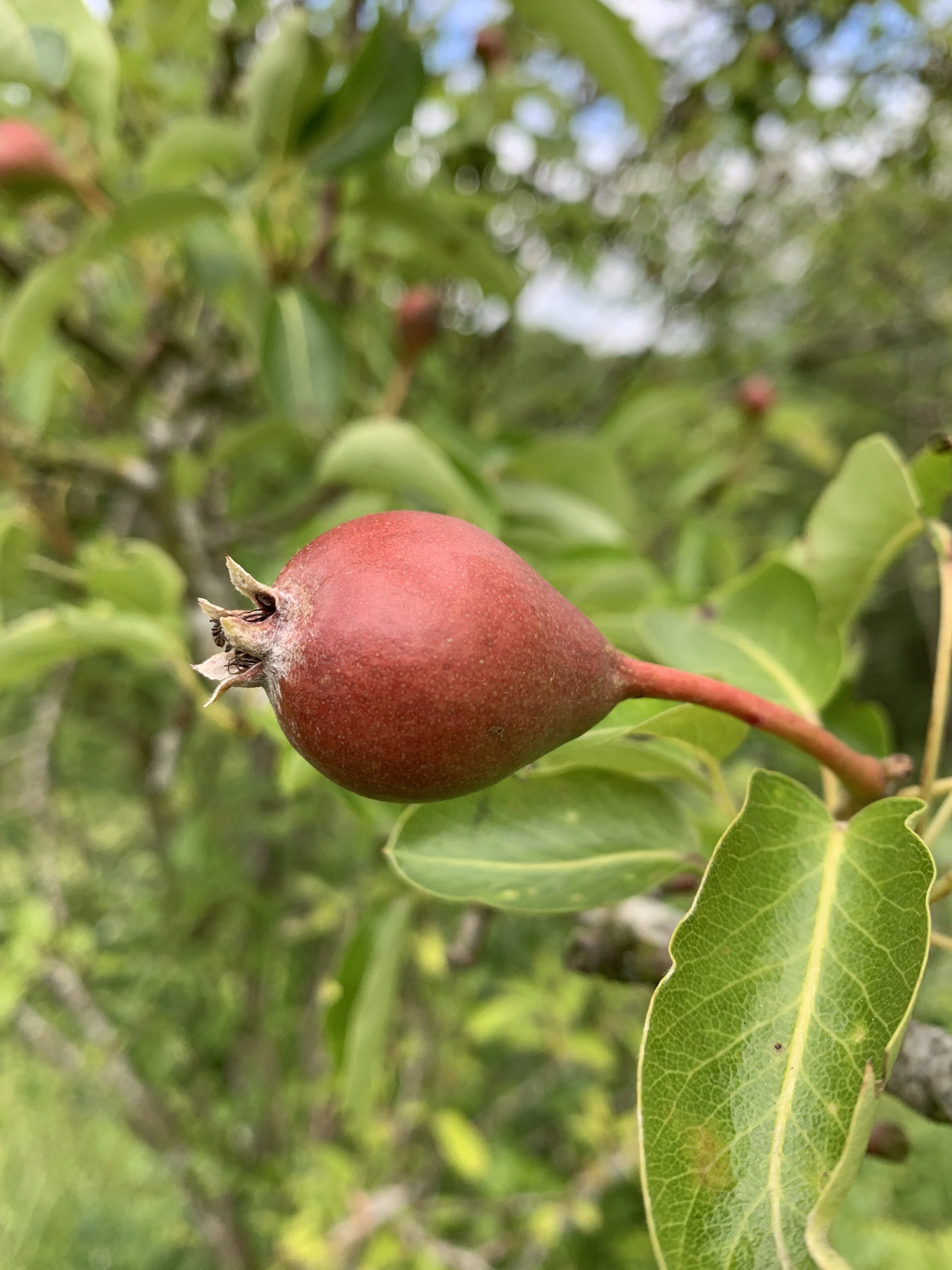
June 18th – Looks like another good season for pears at Clayhanger: This solitary tree is growing by the new pond, just need the orchids and it laden with nascent fruit.

The tend to be hard and inedible, and usually are enjoyed by birds who can tolerate the acid fruit.

In many seasons this tree suffers problems with blight and parasites but this year seems very healthy, which is nice to see.

If even half of these fruit make it it’s bee a very good harvest for the birds.

This journal is moving home. Find out more by clicking here.

from Tumblr http://bit.ly/2ZrJ3BM
via IFTTT

#365daysofbiking Grebious

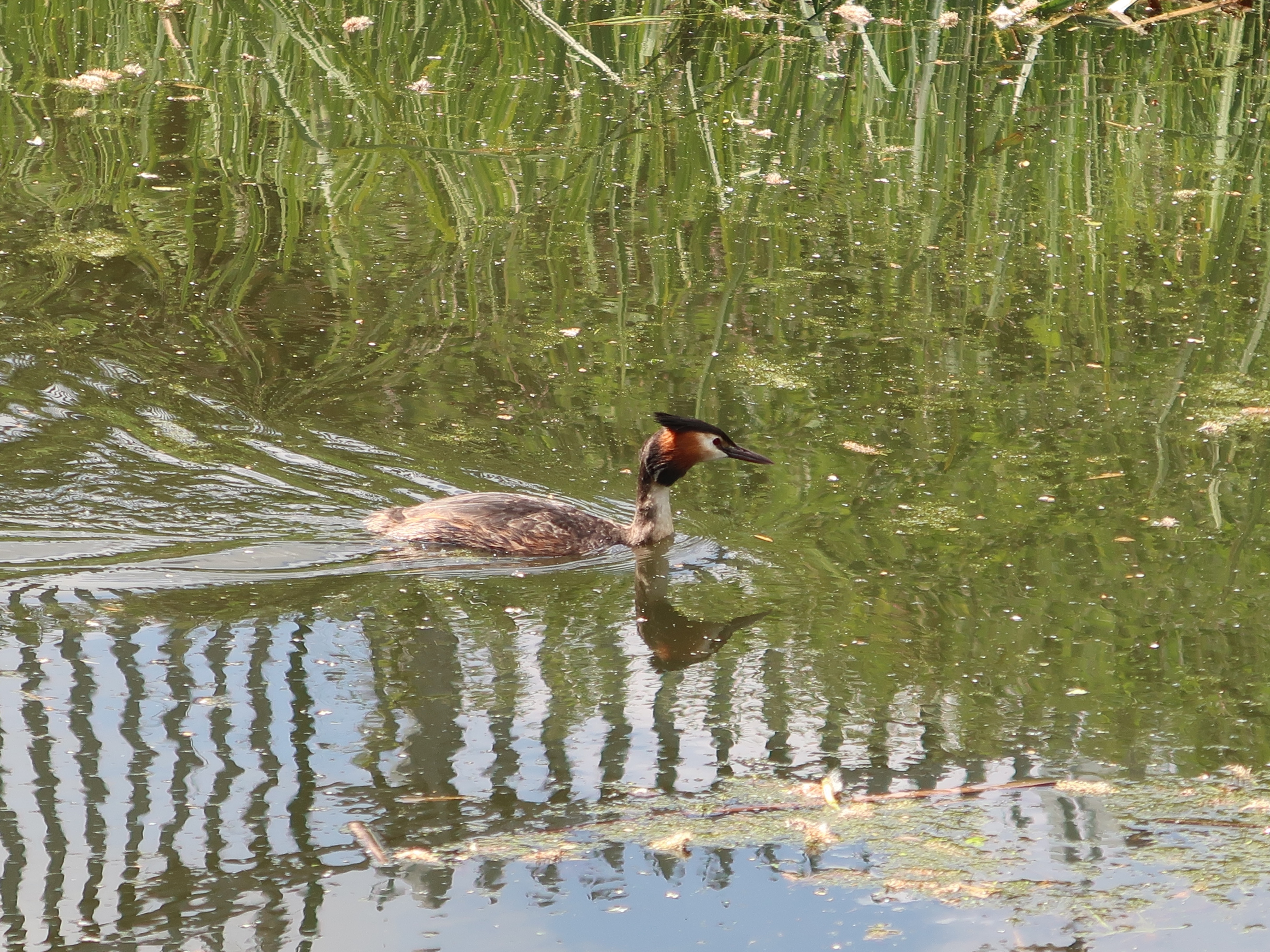
May 24th – Spotted on an evening spin out to Chasewater on a test ride following some essential, pre long ride maintenance – great crested grebes on the canal near Wharf Lane.

Unusual to get a shot of these handsome creatures without them diving at the critical moment.

What I’m curious about is despite the huge amount of fish in the canal (and it is alive with fry at the moment) I hardly ever see grebes upon it. Wonder why? Plenty on the main lake at Chasewater, though.

A mystery.

This journal is moving home. Find out more by clicking here.

from Tumblr http://bit.ly/2YNZXdw
via IFTTT

#365daysofbiking Thats one heck of a goose grumble going on

March 4th – You need to turn the sound up for this one.

I was returning from work early for me, before it was dark. Passing the new pond in Clayhanger, a couple of swans landed out of sight on the water, then took flight again. The geese, mallards and other waterfowl were clearly not happy about something.

There even seems to be what I think might be an owl shouting to them to keep the noise down!

I love the sounds of birds like this. The only loud birds we heard here as a kid were crows.

This journal is moving home. Please find out more by clicking here.

from Tumblr https://ift.tt/2NSTRUV
via IFTTT

#365daysofbiking Going it alone:

September 27th – On the canal near Walsall town centre, I was accosted, as one often is, but loud, bullying, aggressive beggars, of the kind that inhabit most urban canals.

In this case, it was a pair of cygnets. On their own without mum and dad, they were enjoying the sun and harassing any passing human for food. When I declined for the seemingly perfectly valid reason that I had none to offer, they swam off, complaining noisily.

Nice to see them in rude health and taking after their parents.

#365daysofbiking Duck tales:

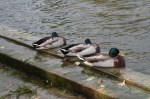
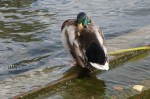
September 21st – The humble mallard duck doesn’t get much love, but I’ve always held that, like magpies, if you study them in any more than the most cursory fashion, they’re absolutely beautiful. The iridescent, shimmering greens of the males are lovely enough, but also the females are very much more than drab brown; if you study them, they have the most gorgeous blue and white flashes on their wings.

But better than appearance is their personality and social behaviour – here on the overflow in Brownhills near Silver Street, the ducks were in parliament doing what ducks do – sat in running water, dozing, chattering and generally being the best ducks they can ever be.

Such contented creatures.

August 19th – One of the more startling recolonisations of recent years has been the teasel. This dramatic, prehistoric looking plant grows a familiar, spiny seedhead beloved of small songbirds, particularly finches, but the name teasel comes from its industrial use as a comb for ‘teasing’ wool into thread.

When I was young these were a rarity around here, and I never saw one of these tall plants until adulthood. Now, thankfully, they are profuse and in lots of wayside hedges, scrubs, meadows and field-margins – which is helping the bird population.

August 9th – The herons are still ubiquitous on the local canals and it’s not hard to see why; the numbers of fish these quiet, urban waterways are host to now is quite amazing – you see shoals of them surfacing and for the comedically shabby, grey expert fishers these must be good times indeed.

This one who seemed fairly elderly was clearly annoyed at me disturbing the catch of the day, and continually flew away, only to land 20 yards further up the towpath and have to move again as I pressed onward to work.

I’ll never understand why herons do that.

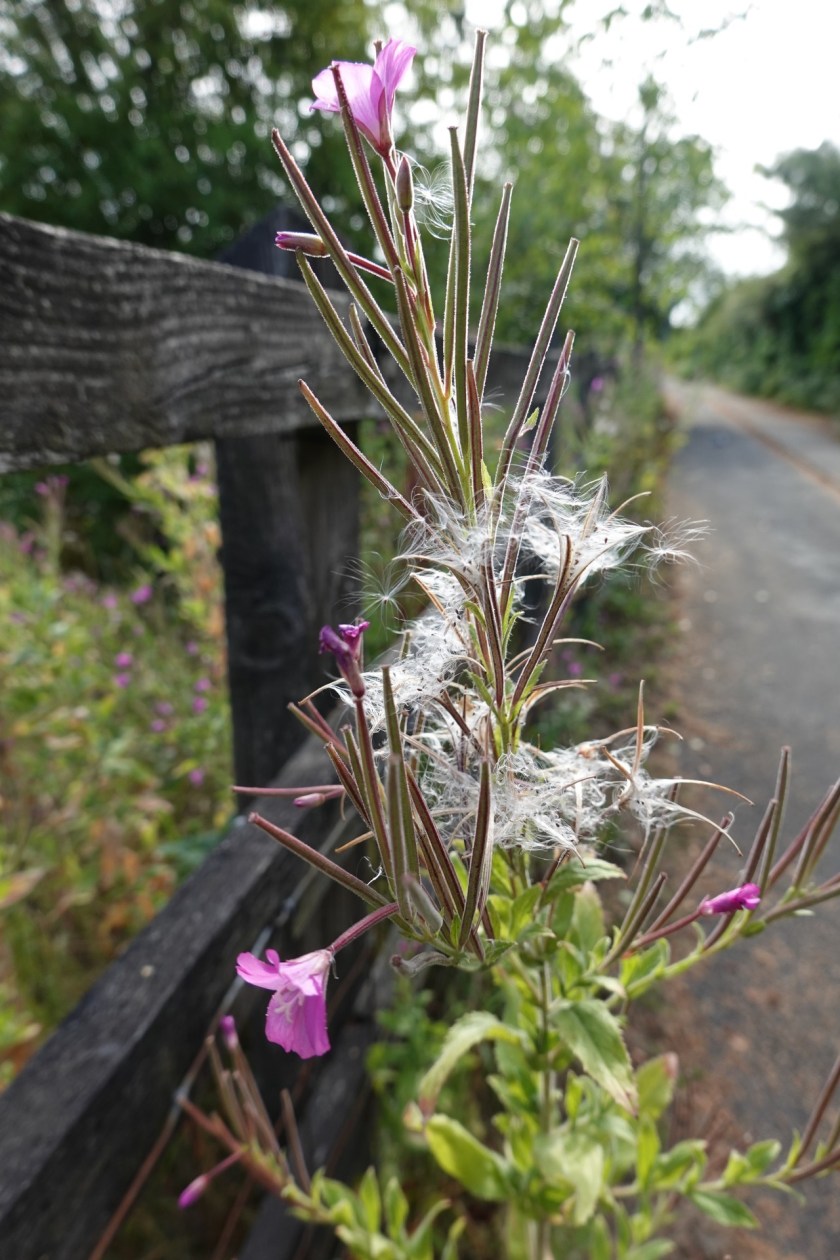
August 1st – One of the less obvious food sources for smaller birds like goldfinches are the wind-borne seeds of dandelions, ragwort, thistle and here, rosebay willowherb. Growing like buddleia in any urban setting where there’s a scrap of extractable nutrition, this prolific weed has gorgeous pink flowers and produces huge amounts of fluff, containing its seeds.

Small birds will spend ages on seedbeds picking out the tiny black seeds and gorging upon them. It’s fascinating to watch, and these are an excellent source of nutrition.

Everything has a purpose in nature.

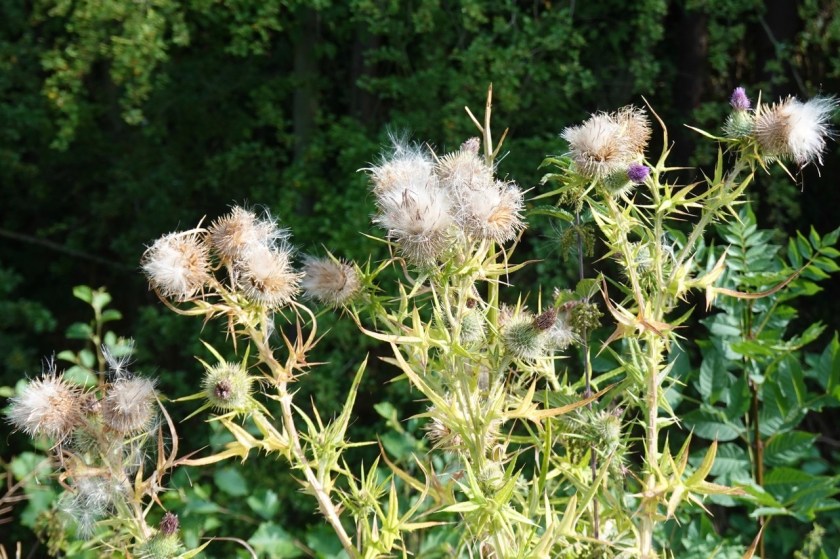
July 25th – The thistles are still in flower, but now going over to seed too. This is great for many songbirds like goldfinches who like to eat the seeds, which are spread from the seed heads by the breeze, and to this end are attached to fluffy wind catchers to transport them in the air.

The fluff thistles generate – along with rose bay willowherb, or old man’s beard which is also in seed at the moment, was always called ‘fairies’ when I was a kid, and it was considered lucky to catch a ‘fairy’ on the wind.

They are actually rather beautiful.