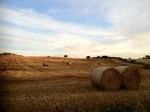
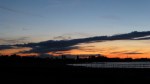
September 8th – A great sunset. I’d been stuck in all day working, but my sunset escape was slightly hampered by forgetting my trusty camera, so I was restricted to my phone. Not too bad, I guess, but it didn’t capture a glorious golden hour around Stonnall and Brownhills quite how I would have liked. There was a delicious slight chill, and the sun was low any golden. A wonderful end to a lovely day. These days must surely be numbered now…

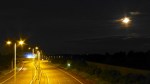
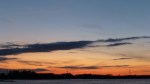
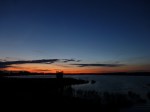
September 2nd – I just knew all day it was going to be a good sunset. I had no idea why; sometimes you can just tell. At teatime, that cold, damp chill descended, of the kind you only get in autumn and spring, and the sky started to turn pink. I knew it was game on. I took my time and headed to Chasewater, which has to be the best place to catch a sunset in these parts. I was surprised and delighted by what I found: not just a great sunset, but a yellow moon rising the east, geese honked and chattered in the dusk as they came in to roost. Bats skittered about my head, and moths became iridescent in my bike lights. Behind this was the most delightful susurration – the continual lapping of water in the darkness. I realised how long it was since I’d heard that at Chasewater. A fine thing. It’s been grim times, old girl, but it’s nice to feel your recovery at last.

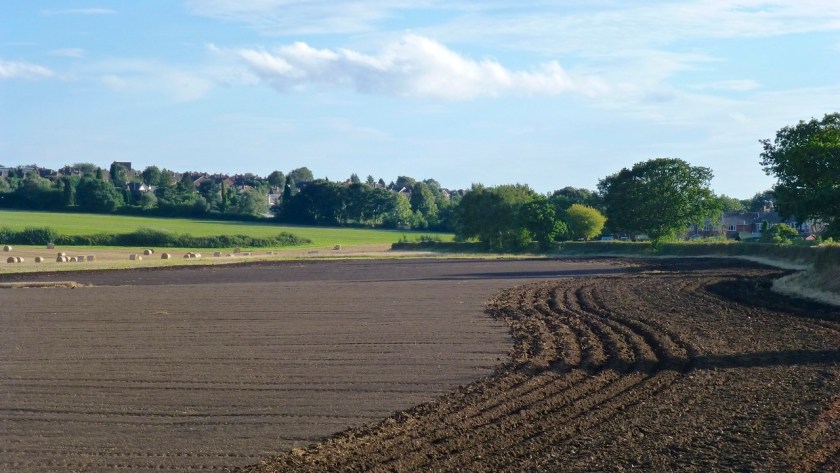
September 1st – At home farm, I smelt the fresh earth before I saw it; I’d now that scent anywhere. The farmer has wasted now time, and ploughing and harrowing was in full swing. Presumably, there’s another crop to go in here now – maybe potatoes or a vegetable of some sort. The golden hues of late summer will soon all be fresh and brown like this, part of time’s passage. Lovely, but sad at the same time.

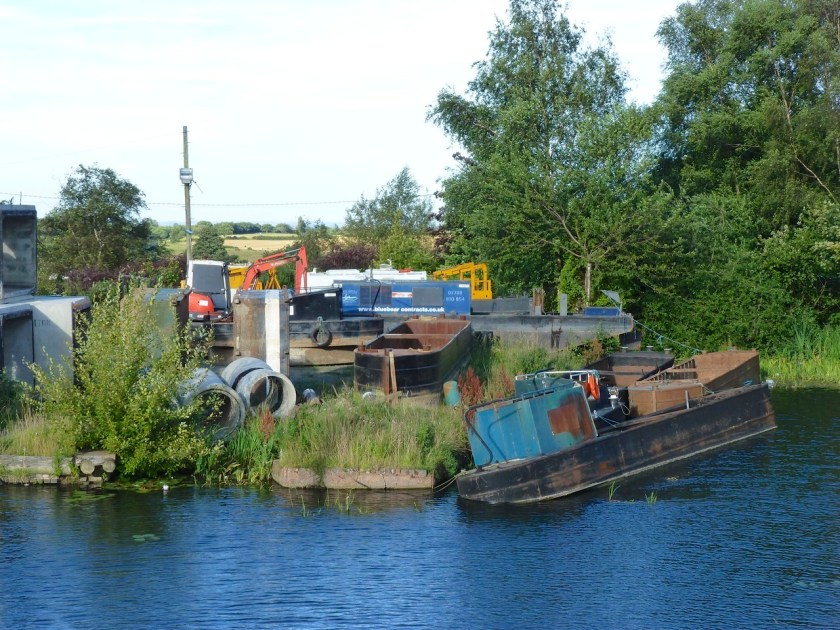
September 1st – I guess it really is coming on to autumn now. I spun out around five o’clock and noticed the sun was already low in the sky. That was really sobering. I slipped up to Chasewater for a quick nose around, and then over to Walsall Wood along the canal. On the way back down the canal, I noted the basin at Ogley Junction was still host to the buttes and stricken dredger that had sunk during operations at Anglesey Basin earlier in the year. Somebody must own this equipment, and it’s been stuck here for months now. I can’t be cheap to buy this stuff, so I’m wondering what the deal is. You can’t just forget about such plant, can you?
Having said that, if you look closely, behind the blue dredger is a white one, just visible. It’s been there, in dry dock, brand new and unused for pushing 3 years now. It’s called ‘Hamster’, and British Waterways – now a charitable trust called the Canal & River Trust – seem to have completely forgotten it exists, too. Mystifying, and it says much about the shambles that is waterway management in the UK. 

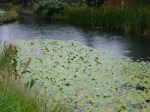
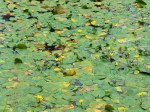
August 27th – Still, there’s always nature to surprise you. This carpet of fringed water lilies has suddenly materialised near the canal aqueduct at Newtown, Brownhills. I’ve not seen this type of lily growing here before, and wonder if it’s a domestic escapee. Whatever the provenance, these flowers were delightful even in the rain, and they did lift my grim mood.

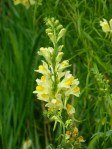
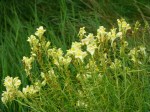
August 25th – Common toadflax is a late-flowering joy. Attractor of bees, it’s a relative of the foxglove, whose yellow flowers remind you a little of the snapdragon. They’re growing along the towpaths of much of the canal aroundabouts, and this clump was near the Pier Street bridge pool on Clayhanger common.

The tall, slender neck of the flower is loaded with nectar that bees love, but is often counterproductive as frequently bees bite through the neck of the bloom and drink the goodness without pollinating the plant.

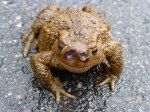
August 25th – I headed out to the shops late in the afternoon. We’d had heavy rain, and everything was glistening and wet. Scooting around Clayhanger Common, I found these two unfortunate common toads enjoying the drizzle at opposite ends of the path from Clayhanger to the Pier Street footbridge. I can’t tell if they’re wounded from attack, infected or have a parasitic condition, but in one, half the face is eaten away, and the in the other, the nostrils have become wide open sores. Both animals behaved normally, and were as lively and active as toads get, yet I don’t think either will live long. I’ve not seen this before, and find it curious that I should see two half a mile apart. I’m thinking it’s a parasite, but can’t stop thinking about the past of this area as a refuse tip. 

I’d welcome comment from anyone who knows about amphibians and their ecology. 

EDIT: It seems these unfortunate creatures are suffering from attack by toad fly larvae – read about them here on Wikipedia, but not if you’re squeamish. Nature really is horrid sometimes.

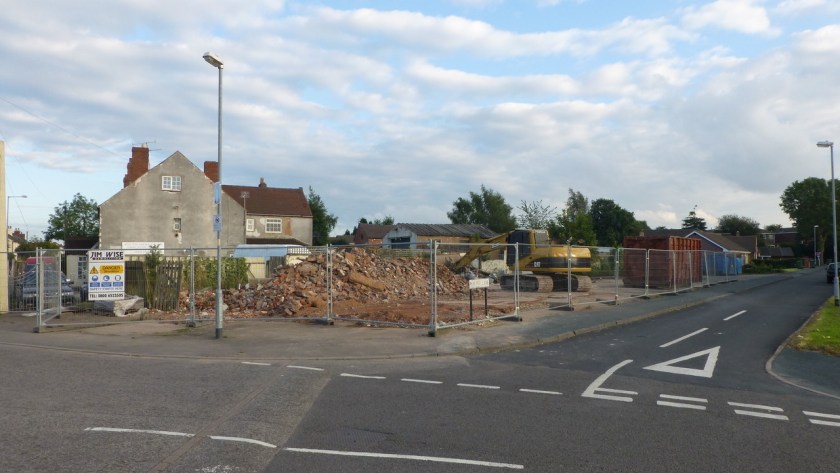
August 19th – It’s too late now, it’s gone. The Pear Tree Inn, on the corner of Pear Tree Lane, Albutts Road and Hednesford Road in Brownhills West will be fondly remembered by many, me included. At various times in its life this pub was a fine house; I drank here several Christmas lunchtimes and often took a walk up from town to get a decent pint. Derelict for 4 or 5 years now, the owners sought permission to demolish, citing the building as being beyond repair. An application to build a store here has been refused, but rumours abound of a new express-style store opening. 

It’s sad the pub could not live on. Another part of my past gone under the bulldozer’s tracks.

19th August – I again sneaked out in the early evening. I’d been working all weekend, and was aching for a bit of freedom. I spun up the canal in a lovely golden hour, and I noted the hedgerows and greenery that’s just exploded with growth since the warm weather came. Ferns, hawthorn and nettles are staging a battle to reclaim the towpath along the stretch from Anchor Bridge to Ogley Junction. It’s beautifuly green, lush and verdant.

Later, at Chasewater, I noted how the birds were returning to their old haunts on the main lake – The jetty from the waterski club is now serving as an impromptu gull roost.

A gorgeous evening.