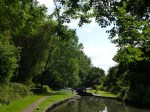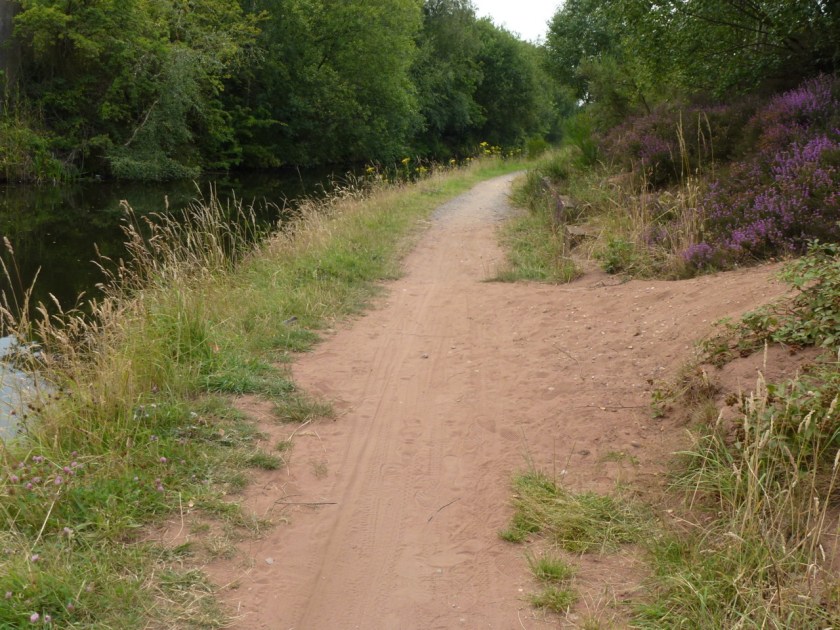
August 1st – A ride out to Burntwood took me along the Anglesey Branch. I’ve been meaning to mention for a while now that if you’re out cycling, watch out in the dry weather for patches of very dry sand. Deposited by heavy rain, when it dries it’s like hitting black ice and will easily have you off the bike. This patch near Wharf Lane, Brownhills isn’t too bad, but some of the patches that gather in road margins and at junctions – particularly when mixed with gravel and other road debris – can be evil. The motorcyclist term for these hazards is ‘marbles’, because that’s exactly how it feels when you ride into one. Take care.

July 30th – A 65 mile journey around the canals of Birmingham and the Black Country. Heading from Goscote, to Wolverhampton, down to Stourbridge, up to Netherton and through the tunnel to Oldbury, Birmingham, Great Barr and home. Only a couple of miles wasn’t on the canal. Check out my route over on the main blog. There’s also some video of my experience traversing the Netherton Tunnel.

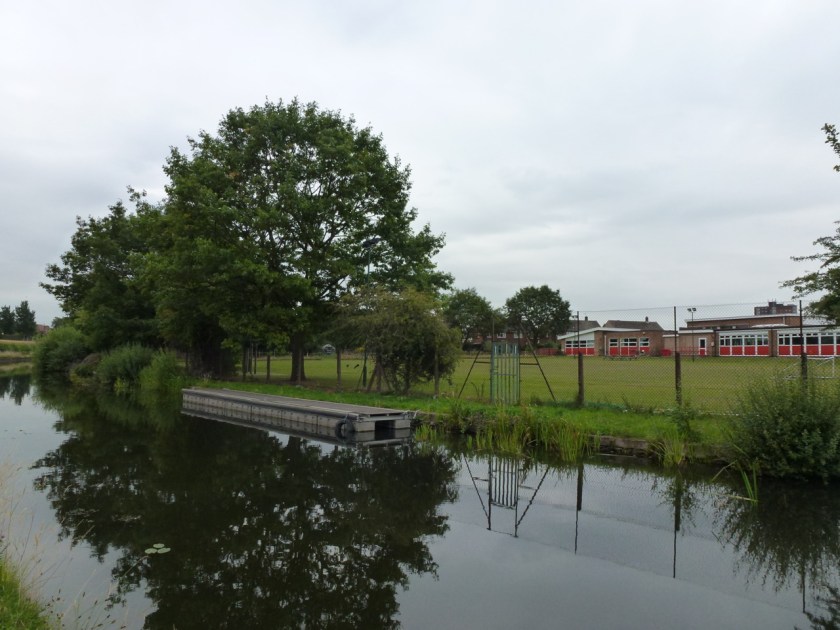
29th July – Didn’t have time to go far today, so took a late afternoon run up to Chasewater (more of which on the main blog over the weekend) via the canal. Noticed on the way that there’s a new landing stage at the back of Millfield School. Anyone know why it’s there? Not noticed it before, and seems like a large investment by somebody just to moor a narrowboat?

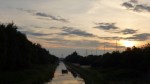
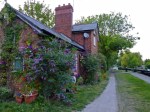
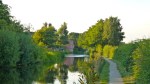
July 16th – A very wet, miserable morning was met by a gorgeous, clear afternoon and evening, replete with the most spectacular golden hour. I cycled out to Lichfield, via the Anglesey Branch and Hammerwich, and paused to reflect at Ogley Junction, on the Lichfield and Hatherton Canal, which used to run from this junction and progress to Huddlesford, near Lichfield, via Wall, and a considerable number of locks. At least the old boat yard seems to be finding use again.

July 14th – Gorse bushes line the canal banks and cover the heaths and commons of Brownhills in abundance. For a while in May they are a riot of yellow and deep, deep green, and then, late July into August the seed pods ripen, blacken and dry in the sun. When ready, the seed casings pop open in the heat, with a characteristic cracking sound that will be familiar to any local who grew up amongst the grasslands of the area. As the Gorse slowly ripens, the rattling of the fruit is almost musical. It’s always fascinated me. This fine example was on the sandbank at Wharf Lane.

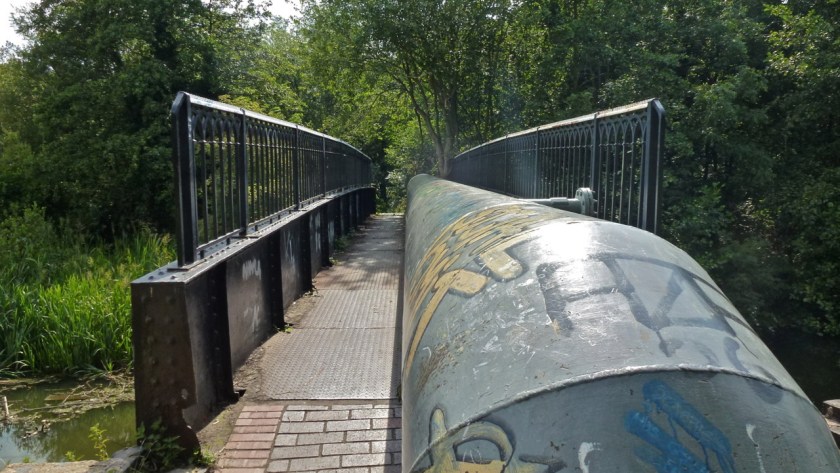
June 11th – Returning home from a day at work in the Black Country, I hopped onto the canal at Great Bridge and headed north through Darlaston and on to Walsall. I’ve passed this bridge at Moxley for years, but never actually studied it before. Is the bridge there for the pipe, or did the pipeline engineers just take advantage of it? Quite the most bizarre pipeline crossing I’ve ever seen… and the tree at the far end seems determined to cause a parting of the ways. Most odd.

July 6th – 10 minutes after the storm, I was on my way again. I don’t know what this forlorn, decaying building was, but it looks like a mill of some kind. Like many industrial canal side buildings in Walsall, it’s original purpose seems to be lost. I’d like to see the edifice fixed up and used for something nicer. Buildings are like dogs – they don’t care if their owner is good or bad, just that they care for them.

At least this one hasn’t been burned down yet, the fate of many good building in the town.

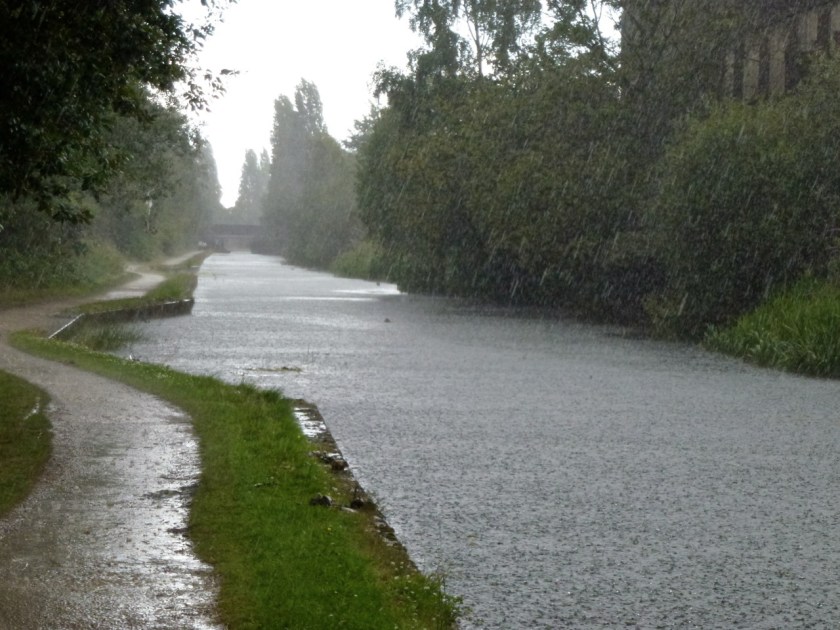
June 6th – A day of short, sharp showers and sunny spells. Sadly, the wind, absent of late, seems to have returned. I was fortunate on my way to work to avoid being caught in this squall by taking shelter under the canal bridge that conducts Bridgman Street in Walsall over the canal. 10 minutes later I was on my way in warm, bright sunshine.

July 4th – The day started bright enough, but finished a dull, headache-grey overcast. Returning home from work I hopped onto the canal at Walsall Wood and headed towards Brownhills. I noted that one of the two pairs of breeding swans on the canal were active and had six surviving cygnets. In recent years this has been a large clutch, but 6 or 7 years ago it seemed usual to see broods of 8 or more. I wonder if this reduction in cygnets is just normal or if something darker is at work? The other pair only managed two.