#365daysofbiking Change is continual

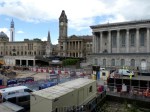
July 11th – Returning to Birmingham, I had another meeting, but found time to have a look at the new Centenery Square water feature, the perennially unfinished Paradise Circus project and just marvel at the pace of change.

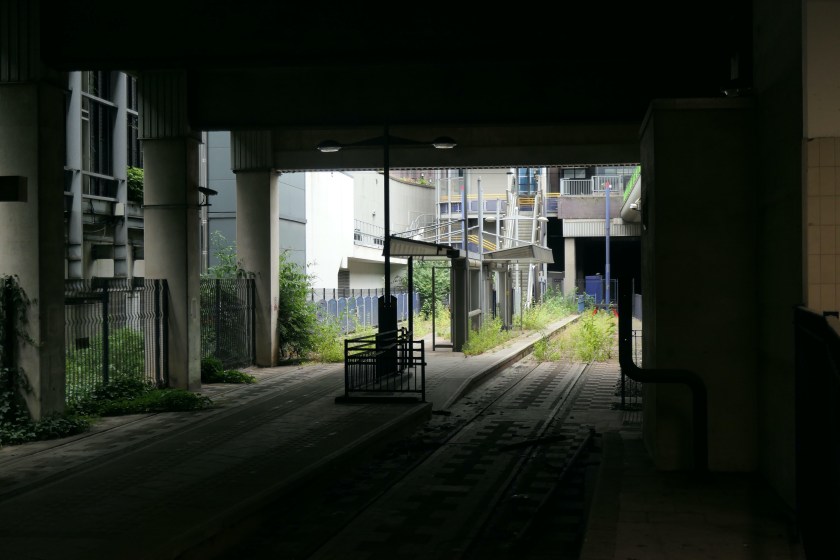
Arriving at Snow Hill I remain fascinated by the decay of the old metro stop there: Bypassed and left unused by the city centre extension,  it remains closed off and inaccessible, gently being reclaimed by nature. I remember when that stop and the line was new. What a revolution it was, but I forget that was nearly 20 years ago.

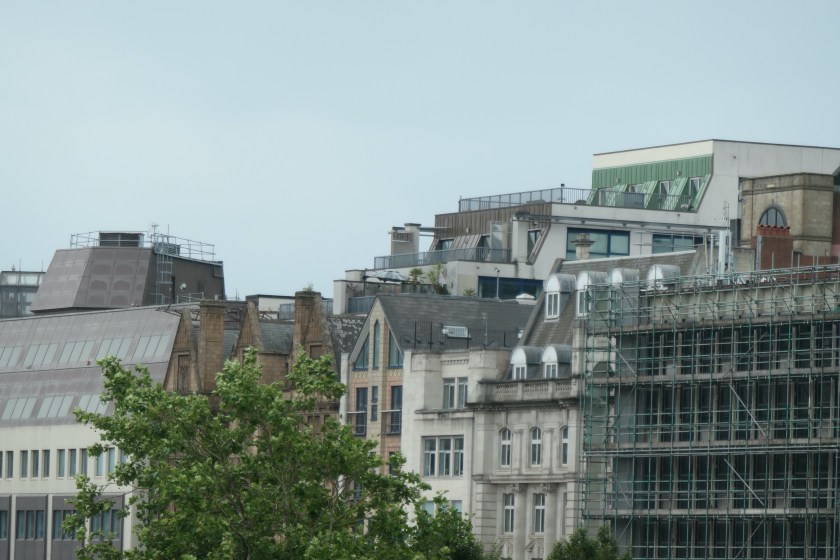
The line extension to Five Ways looks to be coming on well, and the formerly busy Paradise Circus – romanticised and cherished by Stephen Duffy so beautifully – is completely changed, and free of traffic. The views are currently opened up and it’s fascinating to be able to appreciate the city architecture without traffic.

Birmingham is doing what it does best – changing. I’m only a casual, occasional observer these days, but it still feels like home, and a city doing it’s damnedest to move with the times.

This journal is moving home. Find out more by clicking here.

from Tumblr https://ift.tt/2lHK4Hr
via IFTTT

January 4th – In Birmingham for the sfternoon, it was a good chance to fiddle with the new cameras: both gave a good account of themselves. 

As regards the Canon, I discovered I had indeed broken a setting – it has a hardware dial for exposure compensation which I’d inadvertently adjusted, making my pictures dark.

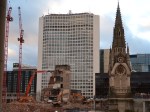
Birmingham itself is still doing what it does best – changing. The Brutalist treasure that is Alpha Tower seems forlorn and distraught before the demolition of the last part of the Conservatoire and Fletcher’s Walk, and new buildings are springing up all over the city centre.

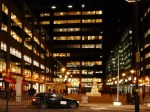
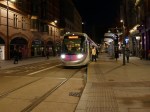
But it’s the quiet urbanity and light that charms in Birmingham most, when night falls. I still love this place with all my heart, but I’m getting to the point where I don’t recognise whole parts of it anymore.

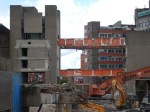
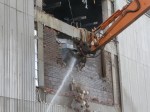
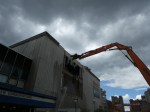
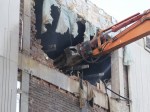
July 13th – I wasn’t on my bike, but I can’t let this pass: a chance to overview the start of the demolition of the Adrian Boult Hall, part of the demolition of Birmingham Central Library and Paradise Circus.

Prehistoric looking machines are ripping, tearing and crushing masonry and concrete, shearing and cutting steel. Skilled engineers, operators and surveyors move over the site, where the modern age is almost universally high-visibility orange.

It’s interesting to see new vistas evolve, which themselves will be lost again. I’m lost the horror of the demolition now, and an grimly fascinated, like I’m watching some post mortem or investigation into some misadventurous occurrence.

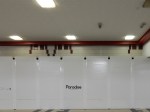
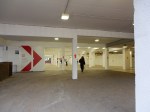
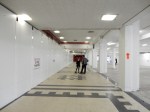
October 9th – While in Birmingham, I passed under what used to be Fletchers Walk, unaware that it had changed so dramatically since my last visit. It’s still recognisably the place I lamented in the spring, with that geometric floor, odd mosaics and very red, red brick exteriors; but the shop units have all been ripped out, and the whole painted white and opened into an underpass.

It’s perhaps more haunting and chilling now than it was before. It feels like some architectural crime scene, washed clear of the horror but the bad atmosphere remains.

Curious.

May 15th – I was pleased to note while in Birmingham that a piece of public art I thought had been lost from St. Chad’s Circus subway was still extant, and had been moved. The mosaic or whatever it is – it’s more like a veneer than anything, but it’s not wood – is of trains and transport and commemorates Snow Hill Station, which was closed (I think) at the time it was created. 

The work used to be on the subway wall in one of the most horrid underpasses in the city centre. When the subterranean horror was infilled, I assumed the work had been lost, and forgot about it. 

I noticed the work fronting the planters outside One, Snow Hill. I’m glad it was saved, it’s a little bit of the Birmingham I remember.

Just like the horrid pub in the subway, The Brown Derby. That was a shocker.

One artwork is still missing, though, and used to stand on the grass above street level on St. Chads; it was a metal, full size child’s swing, captured and welded in multiple stages of movement as if caught in stop motion photography. It was brilliant. Anyone know what happened to that?

May 9th – I popped into Birmingham to run a few errands and cycled in via Roman Road, Sutton Park, and then onto the North Birmingham Cycleway down past Witton Lakes. I returned via Plants Brook and Sutton, but more on that later.

I had business up at Constitution Hill, and on the way, I remembered these odd utility blockhouses marooned in the centre of the recently rebuilt St. Chad’s Circus. These substation-like buildings are the one solid remnant of the old subterranean subway complex; overlooked by the Catholic Cathedral, they are a chilling reminder of the cold war.

They are plant and ventilation installations for Anchor Exchange, a huge, sprawling, underground nuclear blast-proof telecommunications exchange beneath the streets of Birmingham. Mostly now abandoned, Anchor only exists as cable tunnels, having been rendered obsolete by the end of the communist threat and advent of the internet.

Anchor was built at the same time as Birmingham built the inner ring road, or ‘concrete collar’; the hated gyratory system that consisted of flyovers and tunnels called queensways. Birmingham City Council have spent 20 years now destroying the concrete collar, and putting traffic on the same level as the human city, but Anchor is still ever-present.

There were several entrance points to Anchor from these tunnels, and the complex was an open secret for decades. 

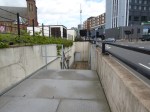
It’s telling that long after its usefulness ended, Anchor still requires maintenance and support; this closed stairwell with it’s original rails on the right and peculiar textured facing is one of the only pieces of evidence left on the surface, belying what lies beneath.