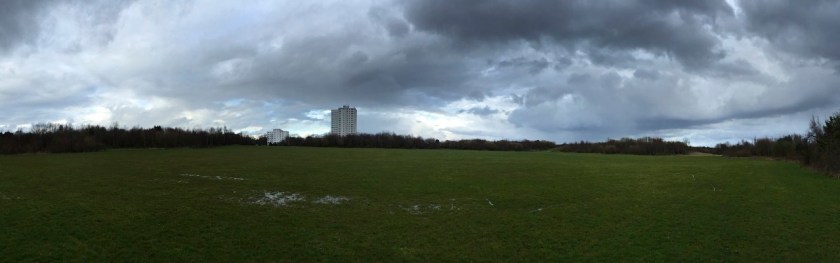
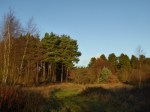
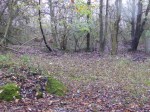
April 12th – On a headache-grey, still windy day a quick circuit around Brownhills and Chasewater before the storm closed in. Everything looked grim, dark and full of foreboding, as if the previous week of spring hadn’t happened at all. It was so windy, even the wakeboarders had given up.

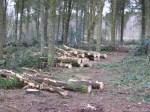
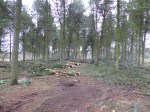
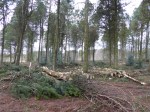
The common was looking good though, and I must say the recent plantation removal works and tree thinning have been a real improvement.

March 29th – It was just an awfully uninspiring day. There were very few people about. The wildlife seemed to be hiding. Everything looked drab. In a vain search for deer I hopped onto clay hanger Common, which was saturated, like a marsh. Even the pigeons were giving it a miss.

It does look wonderfully green, though.

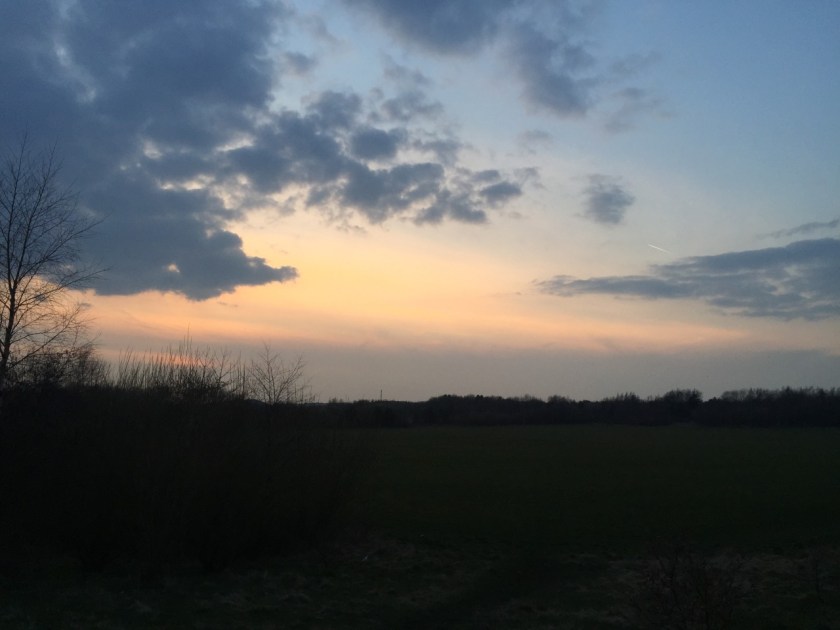
March 25th – As it happened, I never got to a place where the sunset was that good today, which was probably just as well as I was reduced to the phone camera with the main one flat. As I rode down the canal to central Brownhills, I saw a large dog fox run up the bank onto Clayhanger Common. Grabbing the phone, I crested the bank looking for a fox picture to go with yesterday’s heron.

Sadly, he disappeared into the thicket. 

The sky wasn’t too bad though, so I took a quick picture, and headed home.

March 1st – On a distinctly un-springlike day, I headed into Pelsall in the morning, and came back along the canal via Nest Common. The canal here is as stark and beautiful as it every is; a shimmering sky-coloured ribbon stretching off on three directions. However, the journey back – along muddy, churned towpath until I reached the better surfaced part at Ryders Hayes – was awful. 

Walsall Council and the Canal & River Trust are said to be investing, like Birmingham, in canal routes that don’t need surfacing, while ignoring spots like this and the canal through Rushall. It doesn’t make sense to me.

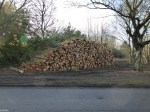
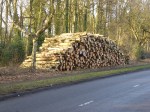
February 8th – At The Parade, as it bisects Brownhills Common, I note the thinning of the conifer plantations continues apace. Many of the invasive trees have now been removed, and light once again reaches the ground beneath them. This is essential work to restore the heath, and it seems to be being carried out professionally and with care. 

The log piles by the roadside are huge and smell beautiful, it has to be said.

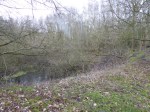
February 1st – Just on the rough side of Brownhills Common, a handful of yards from Coppice Lane, there’s a deep void in the land through the trees It may be the remnant of early surface mining, or the later evidence of hamfisted mineral exploration (the coal here was evident on the surface, so it was said; the grey clay also highly prized by potters), but it’s been here for decades; the spoil is piled up around it in mounds with fairly mature trees growing from them, which must date from around 1977, as the year previously, the whole of this side of the common had been flatted by a grassfire.

Every landscape tells a story This one tells of an industrial, blighted past, which we now sort of revere.

Brownhills holds some of it’s oldest secrets closest, but in plain sight.

January 31st – I noted as I passed in the afternoon that the conifer plantations on Brownhills Common west of The Parade are being thinned again, as part of the ongoing heathland restoration works. It’s good to see, but I must admit, I’d probably go further here. 

The conifers were planted in the postwar period, before we really understood the importance of the heathland habitat here; they have spread rapidly and grow so thickly that little lives beneath them. This harms the biodiversity, and doesn’t provide the best environment for the deer here, who like low cover.

Restoration will take years, but it’s good to see the progress, and the physical scars will soon heal. All the cut wood here is coniferous; deciduous trees are left.

December 10th – Can’t ever remember a winter passing this quickly. It doesn’t seem ten minutes ago since shirtsleeves and sun; but today – unusually heading through Pelsall to Walsall due to a necessary call on the way – winter had arrived in full force. The second day of a headwind forged on Satan’s back step, it was relentless and drained my energy.

As was pointed out to me, it’s only a matter of a week and a half until the solstice – and then, opening out again. I dreaded the darkening this year, but somehow, thankfully, the usually associated black dog didn’t ride pillion. The relief of this has uplifted me through the darkness.

Pelsall Common reminded me of Joni Mitchell ‘Shivering trees standing in naked rows’ – but hey, it’ll be Bryter Layter.

And so, the season’s wheel advances inexorably on, with me in a surprisingly good humour for the time of year. I think someone must be slipping happy pills into my tea…
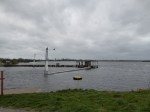
December 7th – it was a beautiful afternoon with a very unpleasant wind, but the sun and commons of Brownhills were a joy to behold. The heaths and scrub glowed beautifully, as did the canal embankments.

These days it’s hard to imagine these beautiful places have a harsh, lingering industrial legacy.

Looking for deer near the site of the lost Coombe House, at Coppice Side, I spotted this monitoring well, a int of a none-too-pleasant past; this is the edge of a former landfill and boreholes like this are regularly unlocked and ‘dipped’ to monitor contamination. The EX symbol warns of an explosive gas hazard – methane, mostly, from rotting refuse buried underground.

This is a problematic site and will require monitoring for many years to come. 

I looked up from it to see the backside of a young hind disappearing into the the copse…

November 16th – It’s been a while since my Brownhills deer magnet was last functioning, and I `haven’t seen the local ones for ages. As I came up Coppice Lane, they were in the scrub on the left side, on the fringes of the old clay pit and landfill.

About 6 or 8 females, they were quite skittish, and didn’t hang around for long. But it was good to se the girls. Shame the light wasn’t a bit better.