#365daysofbiking Mud larks

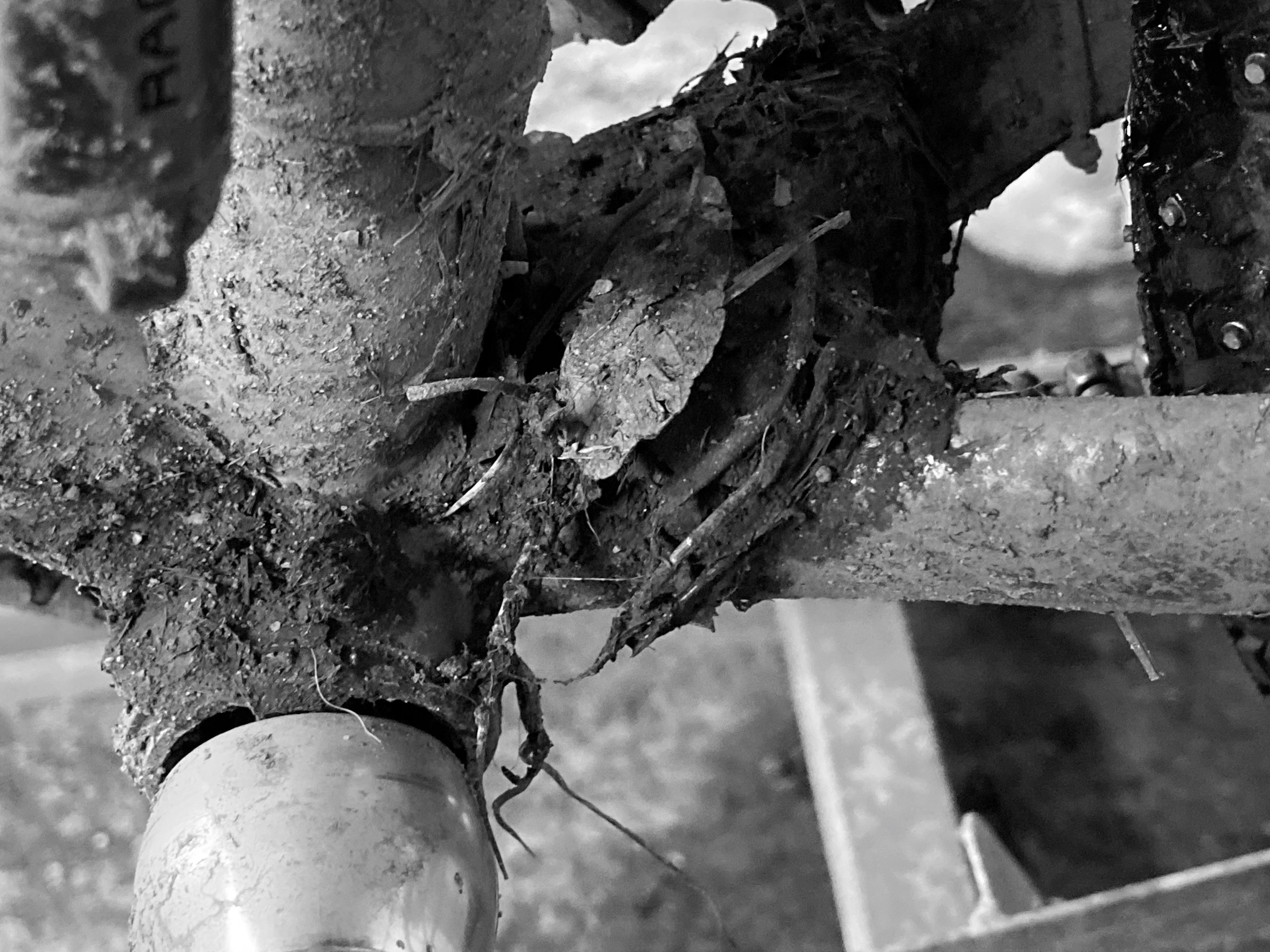
January 7th – This mud. It’s getting worse. It’s in everything, like a damaging, abrasive jelly, corroding metal, clogging up mechanisms and generally bringing the bike down.

I felt I should wash the bikes to remove the worst, so I did at the weekend. I was kind of scared of what I might find underneath.

2 days on an it’s like they were never cleaned at all.

It’s going to take a lot of work to get these steeds back up to scratch this spring. I’ll have my work cut out, clearly.

I expect whole biomes will be developing in the crud by then.

Oh the mud, what larks…

This journal is moving home. Find out more by clicking here

from Tumblr https://ift.tt/2FqwOgV
via IFTTT

#365daysofbiking Grime scene

December 9th – The increasingly poor weather really is taking it’s toll on the bikes. I’m not a fanatical bike cleaner, and prefer my steeds to show the dull patina of constant use: but right now it’s less of a film and more inches of crud picked up from the muddy trails and roads.

I’m working on the basis that this layer of detritus will prevent further ingress, but to be honest I’m not hopeful.

Next spring I’m going to have to do a lot of work on these bikes.

This journal is moving home. Find out more by clicking here

from Tumblr https://ift.tt/2MxJuX3
via IFTTT

#365daysofbiking Groovy, man


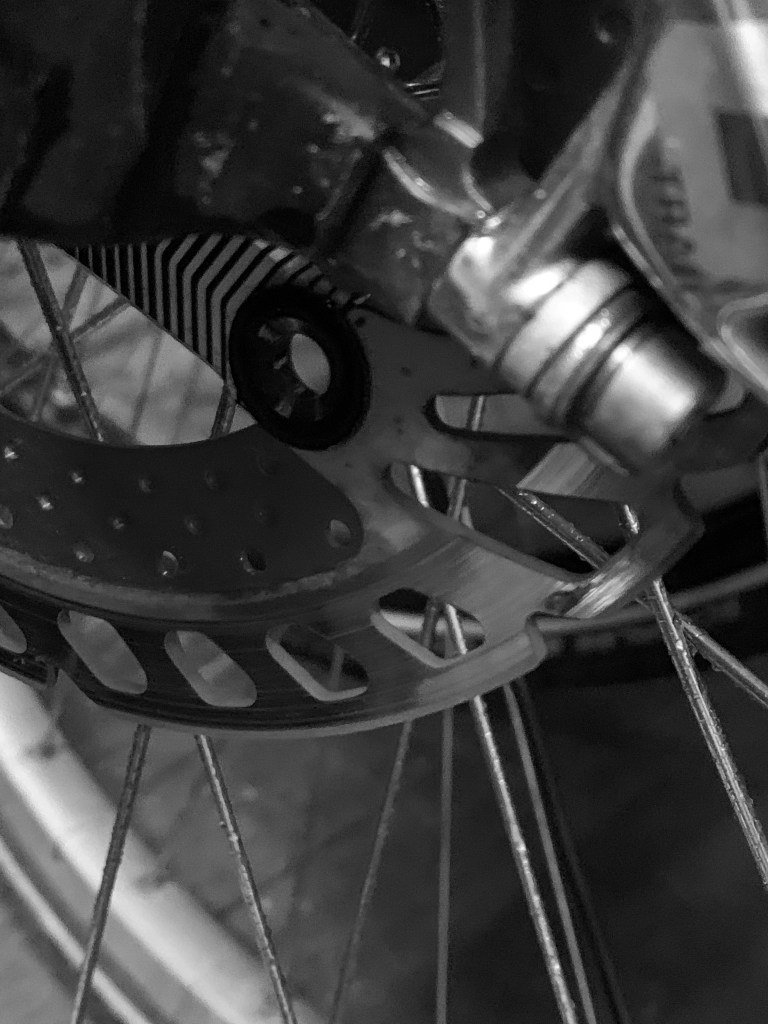
June 26th – Weeks of commuting in rain and grim weather are taking their toll on my brakes. Thinking I’d be in for a decent spell, I replaced the brake discs and pads on this bike in early spring.

Now it’s the end of June and they’re groovier than a 1970s Parisian jazz club.

The bikes are suffering: Corrosion, road grime, grit. This weather is eating my bikes.

A bit of sun and dryness isn’t too much to ask, is it?

This journal is moving home. Find out more by clicking here.

from Tumblr https://ift.tt/2RS5H3E
via IFTTT

January 25th – It perhaps hasn’t become apparent yet to most folk, but to cyclists and those bound to the outdoors, this has been quite a grim winter. 

We’ve had far more frosts this year than last, and consequently, there’s been a lot more salt on the roads. The damp but not terribly rainy conditions have led to a corrosive, goopy, sticky road grime that coats the bike and is taking a steady toll, particularly on the wheels and brakes. 

Investigating a rub tonight, I noticed the corrosion on the disc pads, and the badly grooved disc. Aluminium parts are developing a familiar white bloom. There is surface rust on the exposed bare steel surfaces of pedals and bottom bracket.

When the weather clears, all this will need attending to. 

May 30th – I spent the morning at work, then late afternoon, cycled into Birmingham to meet with a couple of colleagues. I headed down to the canal at Tyburn for a decent run, and followed the canal into central Birmingham.

One of the little-known features of canals that helped keep them open for years after their commercial value declined was the fact that under their embankments and towpaths, utilities found a direct route through cities for their pipelines and cables. By laying services alongside the waterways, many of the issues with traffic and complexity of installation could be avoided.

Along the canals here in Birmingham run gas, high voltage electricity, fibre optic telecommunications links, and petrochemical fuel pipelines. The keen-eyed explorer can often spot the evidence on the surface in the form of markers, bulkheads, valve access chambers and other infrastructure.

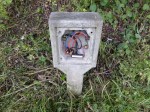
These small, concrete gas pipeline markers indicate a high pressure gas pipeline runs below, but also serve another purpose, as can be seen in this example which has had the cover prised off. The pipeline is metal, and to prevent corrosion, a system of cathodic protection is applied; a low voltage DC supply is connected between the pipe and electrodes – called anodes – in the ground nearby. The flow of current between the anodes and the pipe means that the anodes corrode sacrificially instead of the metal they’re protecting.

A similar system is being fitted to metalwork in the supports of Spaghetti Junction to protect it from water damage.

The markers – about 50m apart along the towpath – house junction boxes for the protection wiring and test points, and contain a magnetically operated switch for test purposes. Large brass studs in the side allow connection of test equipment. 

You can find out about cathodic protection here.