#365daysofbiking Everything counts

March 7th – It’s time for the periodic traffic survey in Walsall, and the sheer number of traffic counter units fitted across the borough’s roads is causing some comment on social media.

They aren’t sinister at all: By law local authorities have to take traffic counts for planning and other reasons and like most councils now, the work is deputised to a specialist contractor.

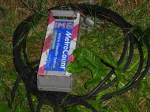
These Metrocount units – that use the familiar, traditional rubber air tube and pressure switch technique are surprisingly sophisticated and the manual for them was found online by The Stymaster – you can read it here.

I crossed at least eight between Brownhills and Darlaston. Just setting them all up and gathering them back must be a mammoth task, let alone analysing the data…

This journal is moving home. Please find out more by clicking here.

from Tumblr https://ift.tt/2TpRUW2
via IFTTT
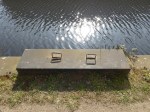
March 14th – This is for Richard Burnell. Last autumn, he was exploring the canals of Birmingham, and he happened upon these boxes, mounted either side of the canal in Ladywood. He asked what they were, and I told him – to some incredulity – that they were a traffic counter. I vowed that next time I passed, I’d take a picture or two.

In the tall metal box is a mains power supply and a counter. In the long, flat one next to it, two photo electric beam switches (made by specialists Sick), which detect a light beam reflected from a target in the box on the opposite side of the canal. When both beams are broken together, it’s most likely by a boat, so the count increases. By using the two beams, this filters out false signals from curious hands, waterfowl etc.

Measuring boat traffic is important. Similar systems on cycle routes count bikes, and we’ve all seen the temporary ones that count traffic.

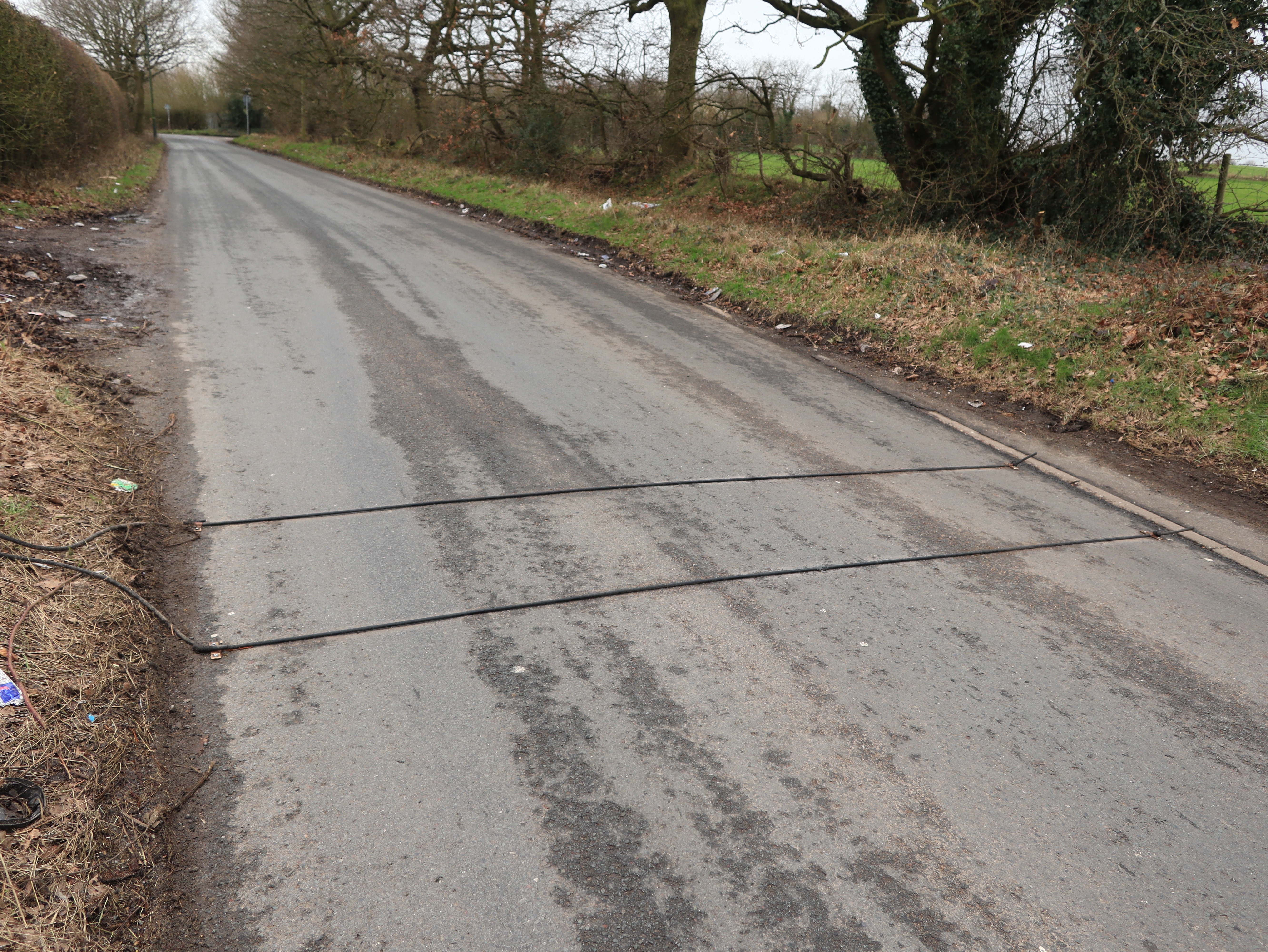
July 12th – there seem to be a lot of traffic surveys going on in South Staffordshire at the moment. Lots of back lanes seem to have the familiar rubber pickups nailed to the asphalt, just like this one in Gravelley Lane, between Shenstone and Stonnall. These devices count vehicles, and many modern ones take a punt at guessing what yore driving. The black cables are actually flexible, soft pipes, sealed at one end (usually by tying it in a simple knot). Any vehicle tyre running over the pipe causes the air pressure to rise within, and activates a pressure switch in the counter. By analysing the number of pulses and distance apart in time, many units can now tell the difference between HGV’s passing and normal cars. This device is probably installed for a routine traffic survey, and will soon be moved to a different spot. Surveys like this are regularly taken by councils.