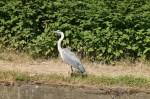
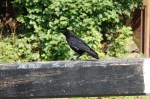
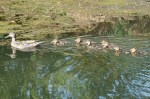
July 5th – Passing the locks in Walsall, I noticed yet another heron; they are absolutely profuse this year and I see 6-8 on every journey to and from work. Whilst their diet is predominately fish, they will take young waterfowl chicks, and Mrs. Mallard was hurrying her fresh brood away, while the crow, for unknown reasons, squawked abuse at the grey fisher.

I love herons but being one of these extraordinary, comical birds today wasn’t a great gig, clearly.

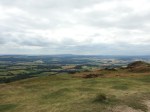
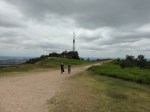
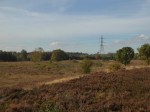
July 7th – I’ve been up the Wrekin before, but never on a bike. And it was a great, if tiring experience. The view is as stunning as ever, and the views of Telford, the Welsh Mountains and even the Malverns are commanding. Even the idle and closed power station in the gorge looked tiny.

The ride up (about 85% ridden, 15% pushed) was tough but not as hard as expected, despite rock and loose gravel making the way treacherous, and the descent was easy too (although scary in some parts and it ate a pair of brake pads).

Two things of note – it was chilly up there, and the crows seem very tame and will actively try to take your snacks while you’re eating them.

The many dogs up there seem to enjoy it too.

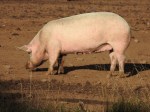
October 23rd – The pigs of Packington Moor are always entertaining. Their fields move around the area, from Little Hay to Hopwas as due to their impact on the ground they need to be relocated regularly. Free range, they dwell in pig arcs and huts in good sized pens, and seem happy – their bacon is certainly amongst the best locally.

I was amused to note the pigs – right now up on the Moor and near Hopwas Hays Wood – tolerating crows perching on their backs, pecking mites and bugs that would otherwise irritate them. I watched that for ages.

Nice to see well kept, apparently happy, content livestock in the fields.

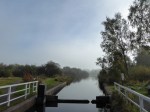
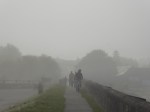
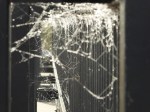
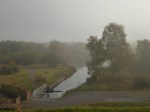
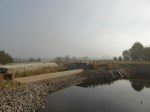
October 12th – It was a beautiful misty morning, and there was nothing for it but to head off for a ride. I couldn’t go far, so settled for a spin around Chasewater. It was gorgeous. From the mist lifting from the canal to the cobwebs on the bridge rail, everything was precious. But the sun was warm, and soon, a tipping point was reached: the mist disappeared in about 10 minutes, to reveal a beautiful sunny autumn day.

Good to see the valves finally closed, too: Chasewater has been quite low of late and it would be good to see it fill up a little.

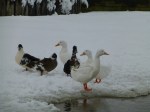
March 23rd – I went back to Chasewater to investigate the overflow situation, and because my conscience was burning me badly. I needed to feed those poor swans. The snow still fell, and the wind was evil. This was the worst snowfall I’d seen since the early 1980s, yet I was surprised at the diversity of the a avian population I encountered. Crows, waterfowl, gulls. Pied wagtails hunted what I presume were barely visible bugs over the overflow spillway. They mingled with a small, brown sparrow-like bird I didn’t recognise. Consulting with birders online later, these cute little brown jobs with comical flight and similar feeding behaviour to the wagtails turned out to be meadow pipits, probably brought down by the snow during migration. I was fascinated by the way they clung to the spillway walls.

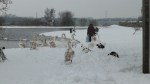
I needn’t have fretted about the swans, as their mum was there. The Swan Lady and her husband are legendary at Chasewater, and they feed and tend the swans, taking note of absentees and arrivals. The incongruous and greedy flock gathered round their guardians with eager and expectant joy, and much honking. Bless.