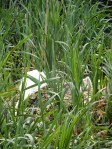
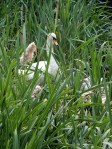
June 18th – One sunny morning ride to work along the canal; a short stretch through Bentley Bridge and it’s teeming with wildlife.

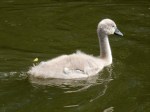
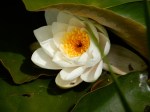
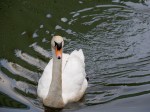
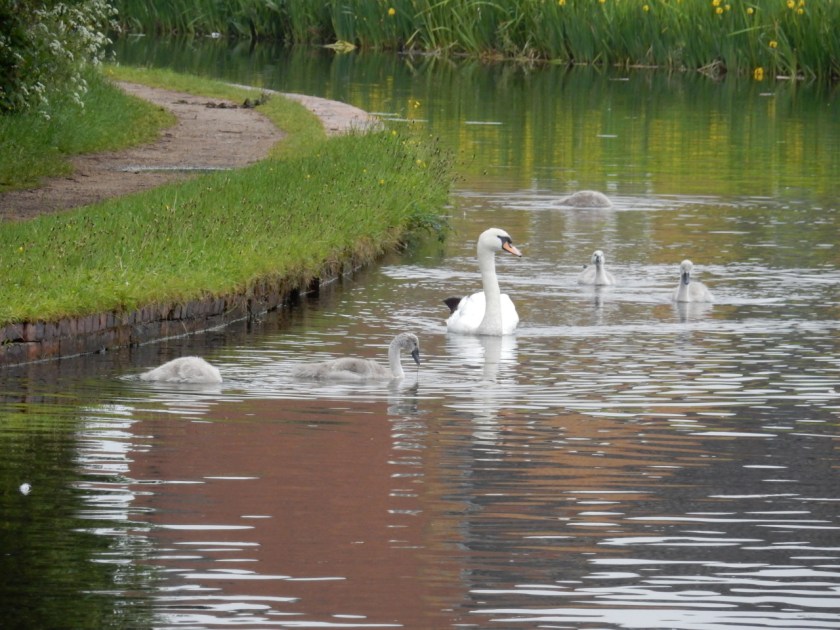
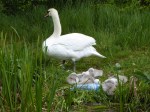
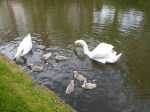
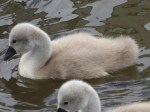
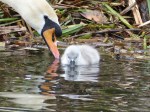
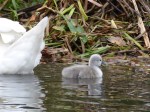
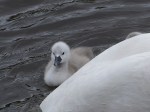
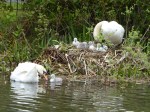
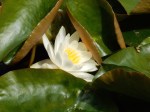
The white water lilies are out, competing with themore profuse yellows. The Pleck swan family – now down to two cygnets from four initially, are clearly doing fine. And always, the ever present heron.

We’re so lucky to have all this on the doorstep.

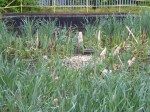
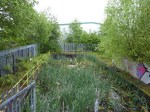
June 15th – Here’s something that’s got me wondering: the Pleck swan family are back to their nest. These are the group I saw, who after hatching their eggs in the disused canal arm found themselves being intimidated by the heron. Next day, they’d gone. I never saw them again, but heard they’d scooted off to Moxley, a few miles up the canal.

Well, this morning, they were back: I was alerted by the dad patrolling the open water outside the arm, while mum was nest rebuilding with at least two little ones. When I last saw them, I counted four cygnets; if they’ve lost two, that’s sad, but no so bad.

I have no idea what they’re doing back at the nest and invite comments. Good to see them getting on, though.

June 13th – So, the Watermead cygnets are down to five – this is definitely the family, spotted today near their nest. They started with seven and have lost two, which isn’t too bad – most likely to predators of some sort. The youngsters are growing well and seemed happy and healthy (as far as I could tell, anyway).

It’s so good to watch the local wildlife mature like this. You almost develop an attachment to the birds as they get older.

June 5th – I saw what I assume are the Watermead swan family on the canal mid afternoon; sadly they seem to have lost a cygnet – most likely to a fox now they’re growing so large. It’s sad, but natural – the fox has to feed too, and it’s why swans have such large clutches.

The remainder look healthy and are feeding well, and are growing at an alarming rate.

Let’s hope mum and dad select safe roosting sites at night from now on.

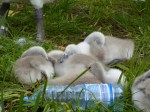
May 29th – A quick run through Walsall Wood on the cut on a wet morning rewarded me with all kinds of life in the dripping wet green. The swan family from the Watermead were near Clayhanger Bridge and had obviously gone past their nap-time. Shame about the litter, sadly left where people were fishing the day before.

If people bring stuff with them, is it really so hard to take it back home?

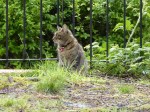
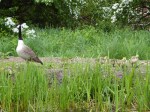
The Canada Geese goslings are also growing well, and were closer to The Black Cock bridge – but in-between, a stripy fellow was being nonchalant and pretending he’d not seen me.

Life teams this time of year, rain or shine.

May 24th – The Watermead swan family in Brownhills are doing just fine, after the loss of a single cygnet soon after hatching. The remaining six are looking healthy and growing well when I saw them in the evening. Mum and dad are clearly protective, but aren’t shy to show off their charges, either!

Meanwhile, on the canal towards Aldridge, a small but perfectly formed mallard mum with four cute little ducklings.

A joy to see all these young birds at the moment.

May 18th – Ah, so commence the annual cygnet search. On the way to work in heavy rain and also on the way back, I looked over to the nest of the Pleck swans, and noted they weren’t on the nest. I couldn’t spot them between there and Darlaston either, so they’re probably roaming for food now. I’m concerned about them since the heron incident, but I’m sure they will be OK somewhere. Just a question of when I’ll spot them.

In the mean time, I had to content myself with the goslings that seem so numerous this year.

I love spring.

May 9th – A big welcome, if you please, to the newest residents of Brownhills, seven swan chicks newly hatched in the last 24 hours or so to the swan couple who have been nesting at the Watermead, just near the Canoe Centre in Brownhills.

The 7 fluffy hatchlings were active, and seemed fit, although I think there may have originally been eight, as I think in some photos there appears to be a lifeless one in the nest. But seven survivors is a good number, and if they can get through the next week or so without being lunch for predators, they’ll be just fine.

Mum and dad were showing their brood off beautifully, and the Canoe people are avoiding them – out of respect for wildlife and also out of pecking distance of the Cob! 

We can expect to lose a few of these fluffy chaps – we lost one of the eight at Catshill last year – as at this stage, they’re vulnerable to mustelids, foxes, rats and even herons – which is just natural.

So if you can, get down and have a look at these delightful birds. Please don’t feed them bread, however, as it’s bad for them. There’s plenty of natural food and they’re foraging well.
March 15th – The sunset the previous evening that promised so much failed to deliver anything but grey murk the next day. It was overcast, grey, cold and windy, and while I was out and about mid afternoon, it rained. I hate days like this, particularly so close to spring. You feel almost cheated.

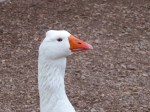
I span round Chasewater, and noted the waterfowl now seem to have claimed the castle as their own, but was troubled that I could only spot one of the three white geese. Hope the other two are OK, but they must be quite old now.

On the other hand, last years cygnets are all doing well on the big pool, and accumulated, must number more than 30. With few natural predators and national treasure status, one wonders how long their population can go on expanding…

The water level seems to be increasing gradually, too; maybe 11 inches to go now. I somehow doubt we’ll see Chasewater overflow this spring, but it’s at a good healthy level right now.

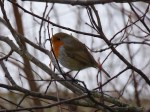
December 27th – The birdlife at Chasewater carries on with little regard to the weather. The robins, blackbirds and tits flitted around, hunting for food, and on the lake, the waterfowl – from coots and grebes to swans – loafed and preened as usual.
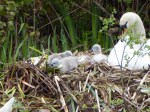
I must read more about swans and their social behaviour. I note adults and cygnets from last summer still hang around together, though in much looser, informal-seeming groups. A few days ago I saw all seven of the Catshill brood on the lake by the north end of the dam together with mum and dad; but often, I just see one adult and on cygnet, or groups of solo cygnets.

It’s almost like they’re still family, but go their own ways and meet up later. They really are most fascinating birds, and I really should learn more about their habits.