#365daysofbiking Don’t stop me now


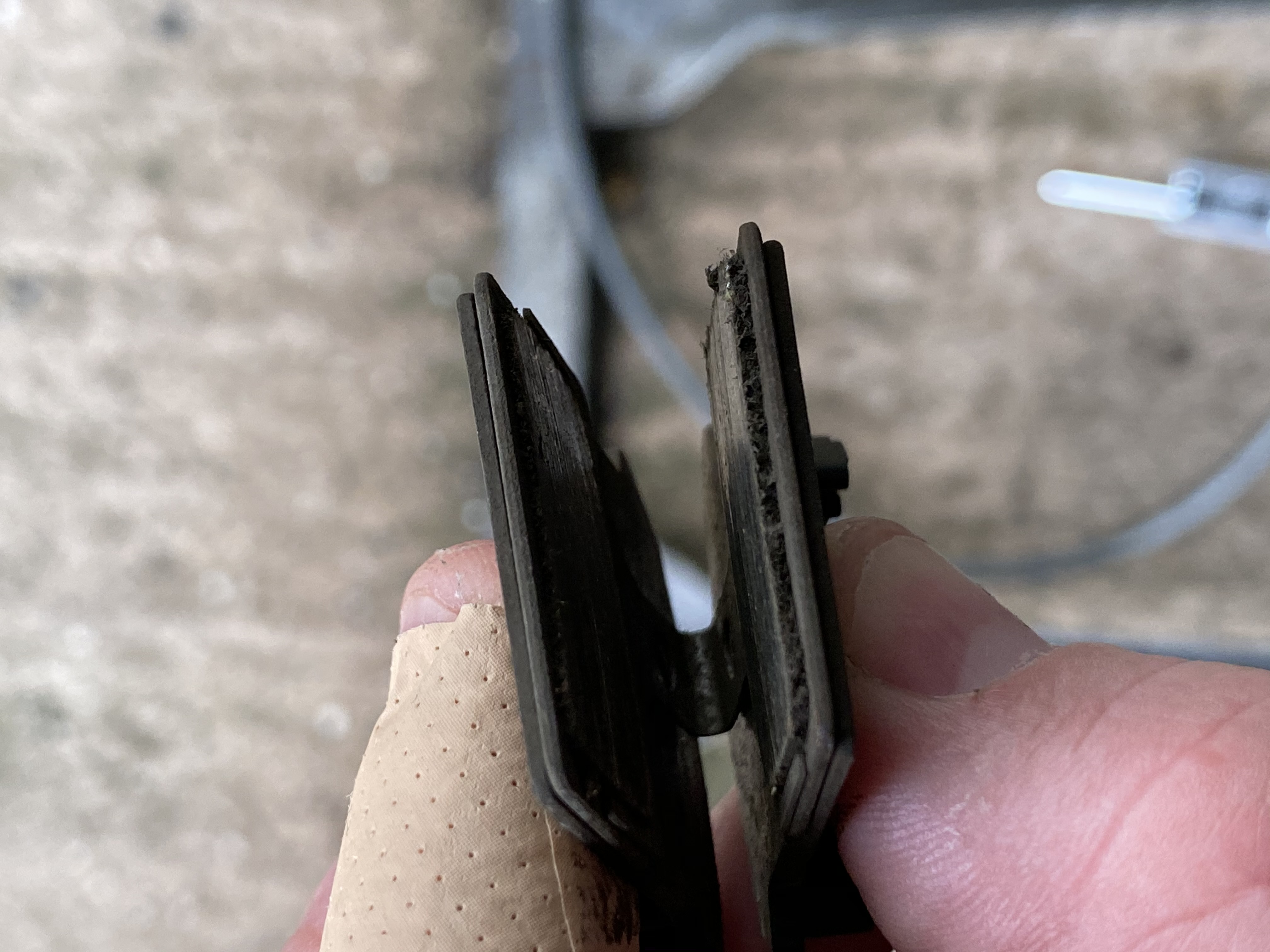
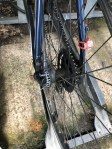
March 4th – The front brake was feeling funny again, it had some initial resistance – like a click – when applied. I’d had it before but couldn’t recall the cause.

Turned out I discovered it riding to work when I lost braking power on the same brake. The pads were so worn, the return leaf spring was being pushed out of place by the disc surface.causing the click.

The pistons were opened back out with a wedge tool for the purpose and new pads dropped in. Braking harmony restored!

This journal is moving home. Find out more by clicking here

from Tumblr https://ift.tt/2xLeHld
via IFTTT

#365daysofbiking A grim toll

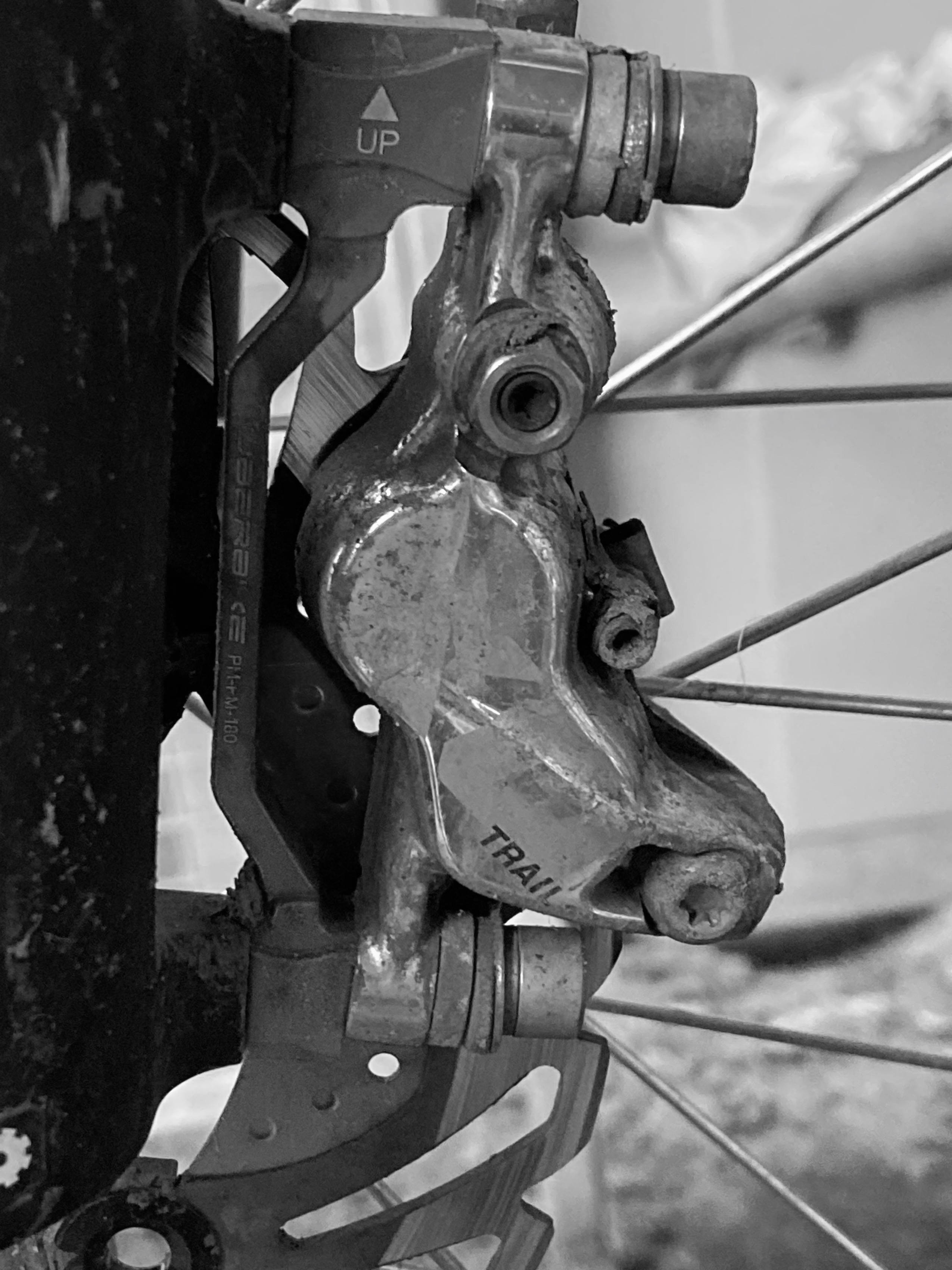
November 15th – The bikes are suffering in the bad weather.

A continual spray of road water containing grit, balsam, leaf litter and road salt is getting into the brakes, frame and drivetrain. The pads and brake discs are wearing fast.

I need to get on with some TLC and show my steeds some love.

But while the bad weather persists, anything other than essential work seems like a losing battle.

It’s not just the rider that needs some dry weather….

This journal is moving home. Find out more by clicking here

from Tumblr https://ift.tt/2Dkmp53
via IFTTT

#365daysofbiking Groovy, man


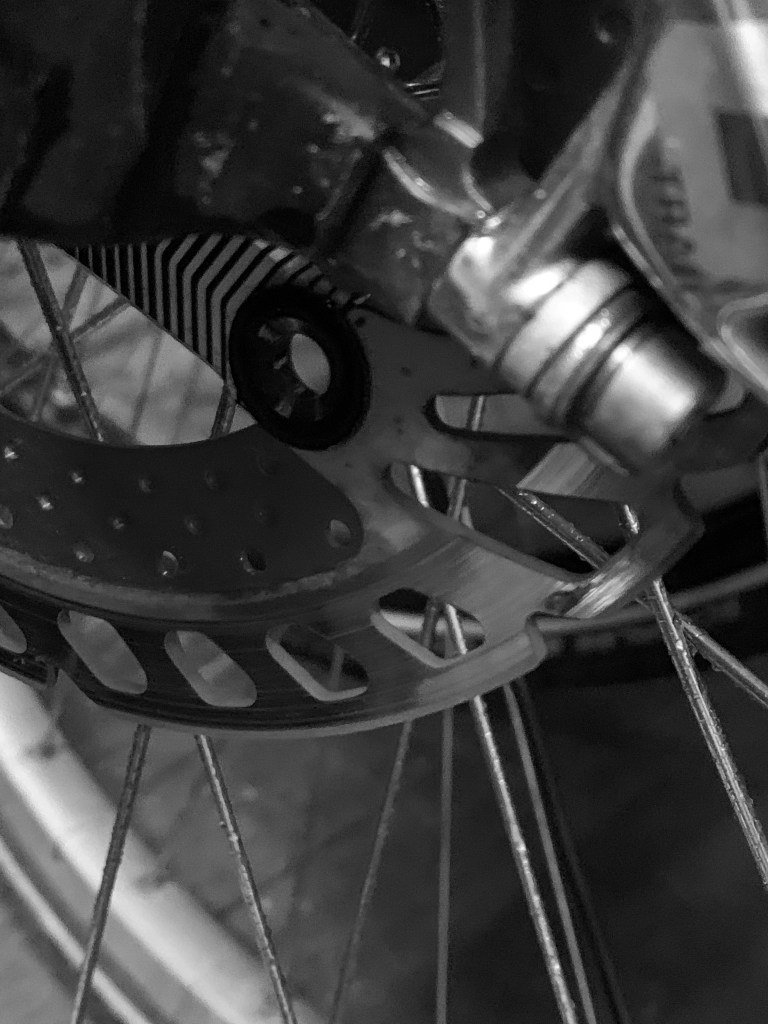
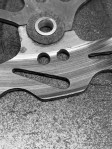
June 26th – Weeks of commuting in rain and grim weather are taking their toll on my brakes. Thinking I’d be in for a decent spell, I replaced the brake discs and pads on this bike in early spring.

Now it’s the end of June and they’re groovier than a 1970s Parisian jazz club.

The bikes are suffering: Corrosion, road grime, grit. This weather is eating my bikes.

A bit of sun and dryness isn’t too much to ask, is it?

This journal is moving home. Find out more by clicking here.

from Tumblr https://ift.tt/2RS5H3E
via IFTTT

#365daysofbiking Brake spring broke

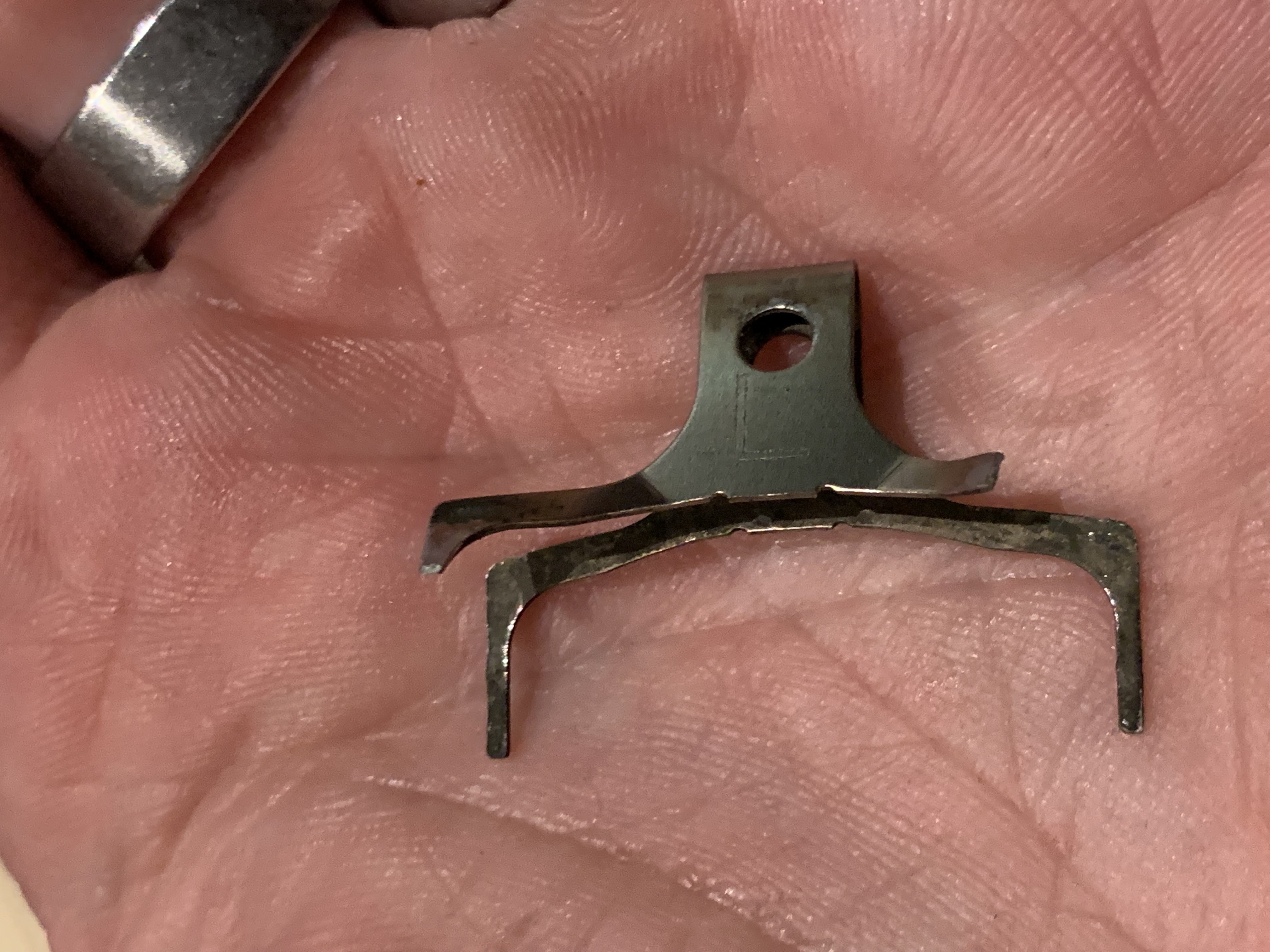
February 5th – I have absolutely no idea at all what’s happened here at all.

It started at the weekend – a rubbing on the front disc brake on my current bike of choice. A light rub, no more that a tickle.

As the days progressed it got worse, and defied my attempts to adjust it away.

In exasperation, I removed the brake pads, which were OK at about 60% remaining.

The leaf spring that keeps them off the disc however, was broken. This was allowing on pad to rub.

An easy, 30 second replacement. But I’ve never had a spring fail like that that hasn’t been worn on the disc as the pad ran down.

This is most peculiar. I shall keep my eye on things in case it’s something significant.

This journal is moving home. Please find out more by clicking here.

from Tumblr http://bit.ly/2UNi9lE
via IFTTT

#365daysofbiking The daily grind:

25th November – A mechanical job that should have been easy was far from it. Replacing brake discs resulted in a struggle with seized fasteners, the failure of a brake calliper and the discovery that the parts I thought I had in the spares box brand new for this eventually were in fact the wrong ones.

The front disc was so badly worn it was starting to warp.

For a job I thought would take 15 minutes and leave me bags of time to get out turned into hours and I was lucky to get time for tea…

Perhaps I shouldn’t leave it so long next time.

#365daysofbiking Spring has sprung:

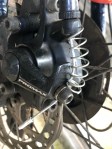
September 13th – Spotted in a customer’s bike shed, and improvised, clever repair to a brake calliper with a broken return spring.

The return spring – present in some form in nearly every type of brake – forces the brake off once the lever is released.

Since the brake cable pulls the yoke awards the cable end stop to engage the disc brake fitted here, forcing the two apart will duplicate the effect of releasing the brake as performed normally by a return spring. The spring has clearly broken and instead of replacing the whole calliper, the owner has released the cable, threaded on a very stiff spring and re-assembled the cable. The cable retains the spring and the brake operates as normal.

Clever. I’m impressed.

December 13th – The snow, ice and road grit is destroying the brakes on two bikes at the moment. This rear disc is now wearing considerably, and is about 0.3mm thinner than it was new, and the front, 0.7mm. That doesn’t sound much, but once you get to about 1mm worn off, the discs get so thin they buckle and become useless. 

One thing about cycling through the winter: It isn’t cheap!

November 27th – Been a while since I discussed brakes here, but the glazing issue of the rear pads I had – I think I’ve cracked it. And built Frankenbrake as a result.

I, like many utility and commuter cyclists, like to ride a bike that’s essentially a tourer. I like the bars, the variety of positions, and I like that Shimano finally made hydraulic brakes for road and cyclocross bikes with the same bars.

The trouble with tourers for years has been that they’re mongrels. No one groupset (ie. drivetrain with brakes and controls) is wholly suitable. Tourers carry load, don’t mind a heavier bike as it’s sturdy and stable. They like a wide gear range – preferably a triple front ring. And solid wheels with damn good brakes. 

So a good tourer may have utlegra, SLX, XT and 105 series parts all working together.

Brake options have traditionally been anything you want as long as it’s canti, but since road discs and suitable frames appeared – first cable, then hydraulic – our braking options have improved. 

My rear brake – A Shimano R785 lever with a BR785 calliper – has been eating pads. They appear to glaze, loose all friction, and no matter how well cleaned, filed or surface ground, never regain bite. Pads are not cheap. I thought I’d cracked it using Uberbike pads – but the last two sets have gone really quickly.

The last set went a week after fitting, and without the same happening on the front, I decided to solve the issue. I’ve been using a primitive parking brake on trains – I use a rubber loop to keep the back brake on to stop the bike rolling about. It turns out that the brakes aren’t designed for continual operation like that, and the vibration from rocking was weeping fluid out of the piston seals, on to the back of the pad plate, and dropping the odd drip of fluid onto the rotors.

I’ll stop using the band. But that left me with a possibly faulty rear calliper, which has never been quite as snappy as I’d like. And Shimano are transferring to flat mount – a format incompatible with my frame – for their 785 replacements.

I knew the 785 was a variant of the XT mountain bike, 2 piston brake with slight design changes in shape. Reading about, I found people who’d put Shimano 4 piston callipers on XT levers for mountain bike use, so I figured a 4 piston Saint calliper should therefore work with a 785 road lever, as the same oil volume was being moved as the XT model, if you see what I mean. They all use the same hoses and fluid, a light mineral oil.

So I ordered a saint calliper, got the bleed kit out, and got oily. The result is that the Saint calliper works really well, has a much bigger pad friction area, and is nice and firm, yet progressive. It’s a bit more fiddly to set up as the piston stroke isn’t as large, but it’s working well with patience.

To any home mechanic who’s thinking about this, it’s an excellent upgrade – but as with any brake fluid operation, remove pads and keep well away from the disc as you will spill oil everywhere.

Meanwhile, a slow handclap for Halfords. When on the off chance I called in for a bottle of Shimano mineral oil brake fluid, the twit behind the counter said ‘Use Dot 4 – it’s all the same stuff.’ – it so isn’t. Dot 4 is Glycol, not oil, and will swell and perish Shimano seals and cause premature failure. Urrrghh.

Now, let’s see how well these pads last…
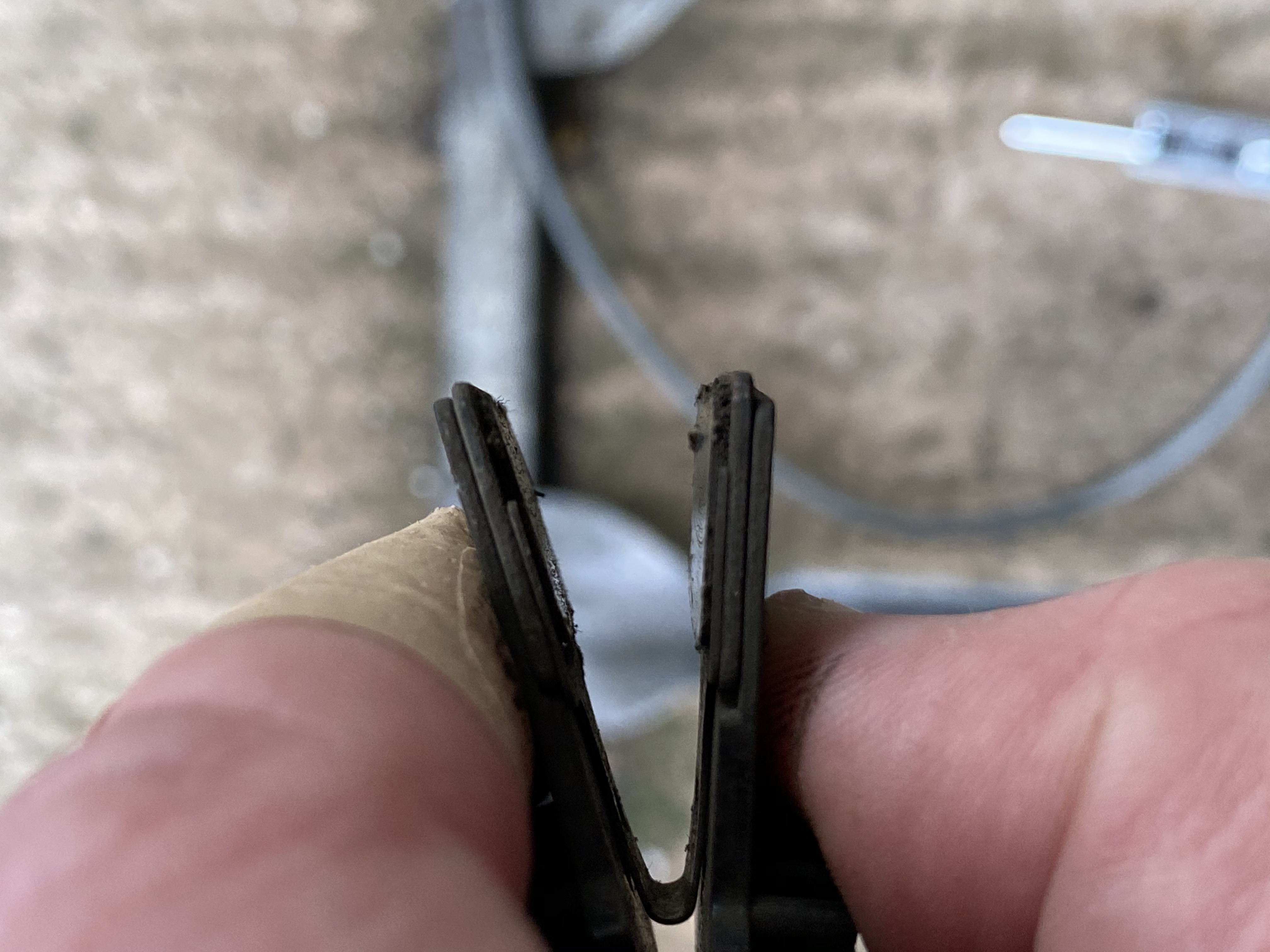
September 3rd – It’s been a while since I bored you with disc brake pads, so it’s your lucky day – or maybe not.

I favour a hydraulic disc brake on all my bikes, road or off-road. On road bikes, I think the Shimano 785 based callipers are the bees knees; combined with a decent disc and pads, they control my resplendent girth down the steepest of inclines and without snatching.

The only issue I have – and I’ve covered this before – is the mystery of what exactly happens to rear pads in particular when they overheat. Sometimes, despite the best care, pads will develop a sheen, lose the nice grip and squeal horridly. I’ve been trialling aftermarket alternatives all summer to see if other manufacturer’s inserts are better.

I tried Kool Stop, an expensive brand. They were nothing special, and glazed out. Clarks performance was tepid, but lasted well. My best results have been with Uberbike sintered and semi-metallic. These are an interesting design – 785 road pads normally have a backplate with cooling heatsink fins. Uberbike have separated the two, so you can re-use the cooling fins on a slightly thinner pad, which are only £6 a set instead of the £20 for a set from Shimano. And they work a dream.I had one set glaze out near the end of life, but other than that, great.

I thought the front set had taken the same dive while winding down from the Roaches the day before, becoming squeaky and losing friction, so swapped them in the workshop the next day, to find the pads had worn to the spring, and that was the wail.

I really do recommend Uberbike pads.

February 23rd – Back to brakes. This has really caught my attention, sorry.

Following the brake trouble I’ve talked about where pads suddenly lose effectiveness in my hydraulic disc brakes, I’ve decided to try alternatives to the stock Shimano pads. 

I wasn’t expecting them to be any good – I was wrong.

I’ve tried the Kool-Stop first. This company makes a very highly regarded road brake block, and I was interested to see how that translated. After initial disappointment, I’m actually quite impressed.

These resin pads are described as having a ‘rotor saving compound’, which usually means they’re soft and not too effective. My fears seemed to be confirmed on the first two or three days of use, when stopping power was poor and the brakes noisy. 

I then rode in the rain. This appeared to bed the pads in and they’re now every bit as good as manufacturer originals in use. They aren’t quite as snatchy, which is good, to be honest, but they do bite when demanded.

The question is, how long will they last? We shall see. But my initial feeling is that although they took an age to bed in, they’re great pads.