August 10th – So, continuing Susan Forster’s seven day wildlife challenge, no such series would be complete without the swans. Truculent, grumpy, aggressive and temperamental, we all love these large waterfowl. 

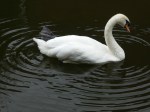
I spotted the Bentley Bridge family – still doing well with their single cygnet – at the disused basin in Pleck on my way to work. Just one at first, drifting in classic leg-up rest position, preening with intense concentration. 

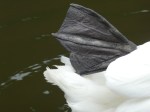
Swan feet are fascinating – so leathery and hard-wearing. A triumph of natural engineering.

The other two members of the family were nearby. I notice junior is now, like the Watermead cygnets in Brownhills, developing white back feathers now, and all trace of juvenile grey fluff has gone.

Oh, how these birds enthral me.

March 17th – I was pottering around the canal, and hopped up the bank onto Clayhanger Common to check out the sunset, and I came across these two patches of feathers. Something – probably a sparrow hawk – has had lunch here. Maybe twice. Those look like pigeon feathers to me. 

If there’s a birder living on the south side of Humphries House, they’ve a cracking view of this spot. Might be worth keeping your eye out for hunting raptors…

February 23rd – Also at Chasewater, there’s some pollution happening.

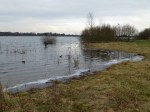
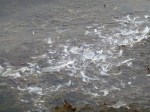
This is good pollution, however. A casual observer might stand on the waterline of the now-full lake and wonder what the froth and scum is, gently lapping the shore. It’s the side effects of Chasewater once again being host to massive numbers of Gulls, who come here to roost on the water at twilight. 

Yes, tens of thousands of birds frequent this reservoir in the evening, where they rest, loaf and bob gently in the wind. Whilst they do this, they preen. The scum is actually bird feathers, plucked during preening.

Biodegradable, they will rot away, or be gathered by other birds for nesting material. Recycled, naturally.