#365daysofbiking Coo, gosh:

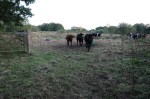
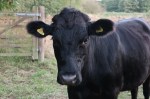
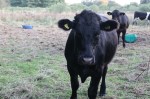
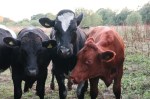
September 6th – I don’t know where they’ve been hiding, and they weren’t telling, but I was greeted at the gate to the water meadow in Green Lane by a nearly full compliment of coos, which numbered 9 I think (one remained stubbornly eating a bush some way off).

These lads, here to maintain Jockey Meadows by eating everything they can and churning up the damp soil will be here a week or two and are even tempered, healthy looking bullocks.

Nosey in the way only cattle can be, they came to investigate me but didn’t come too close.

A lovely sight.

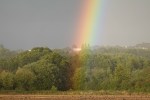
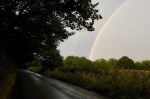
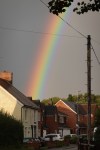
August 23rd – On the way home, a real treat to compensate for the persistentt wind and rain – a vivd, beautiful rainbow.

I caught it over Shelfield and Jockey Meadows. It was perfect, and I revelled in it for 15 minutes, steadily getting wet.

A beautiful thing I was lucky to witness.

August 20th – The coos of Jockey Meadows have clearly been here again. But there is no sign of them now.

I’ve been wondering if they’d be here this summer, as the meadow is lush and  full of stuff they’d love to eat – but up to now, no sign of them.

But the feeding troughs are out, the grass is trampled down. But where are they?

I love to see them. I hope they come back soon.

July 18th – Looking less green, but still beautiful, the farmland opposite Jockey Meadows, Walsall Wood has a beautiful colour at the moment. The meadows themselves have so far this year been untouched by cattle for the first time in a good few years, so the water meadow has tall grass and the scrub is clearly taking over, but here on the farmland, things seem a bit more ordered, but the marshy patch closest to the camera is still largely fallow.

The season’s jacket is gradually and steadily turning colour. Whilst it’s beautiful, it’s a bit sad seeing such a great season pass.

June 18th – for the second time in 12 months, Green Lane has been closed so sewage tankers can relive backed up sewers due to a pip collapse near the Clayhanger Sewage Works.

The road has been impassible to cars as drivers Marshall tankers in relays pumping out effluent and Marshall plant around.

Sadly, the impatience of some drivers was pretty unimpressive. These people have a job to do. Let them get on with it.

February 14th – What an awful day.I battled into Walsall against an evil headwind. I had a hospital appointment that took forever, and when I came out there was heavy rain.

I arrived at work soaked and grumpy.

The way home was just as rain-soaked, but at least the wind was assisting me.

Cycling at the moment is a real challenge. I can see spring. I can taste it. It’s in the light, the flowers, the landscape. But this bad weather seems endless.

I will of course hang in there. But my goodness, this is hard going.

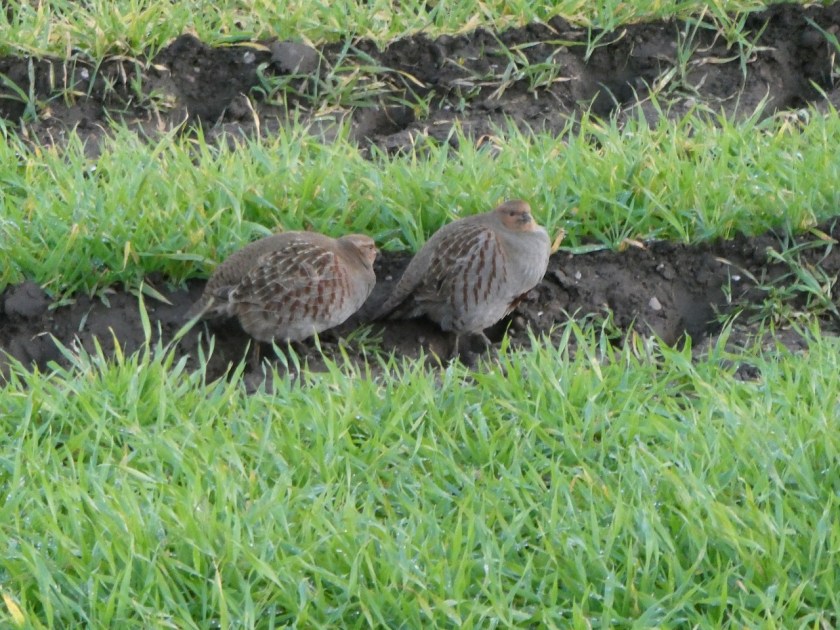
November 27th – A snatched, quick photo taken just after dawn in Jockey Meadows, between Shelfield and Walsall Wood. A pair of grey partridges, fluffed up in the cold, and sheltering from the wind in a tracker tire-rut.

It’s been years since I noticed partridges up here. Good to see them on a Monday morning.

September 22nd – It was a long day. From Cradley, I had to drive to Derbyshire and back, and by the time I rode home at unset, I was tired and irritable and not feeling well. It seemed I had it with a cold.

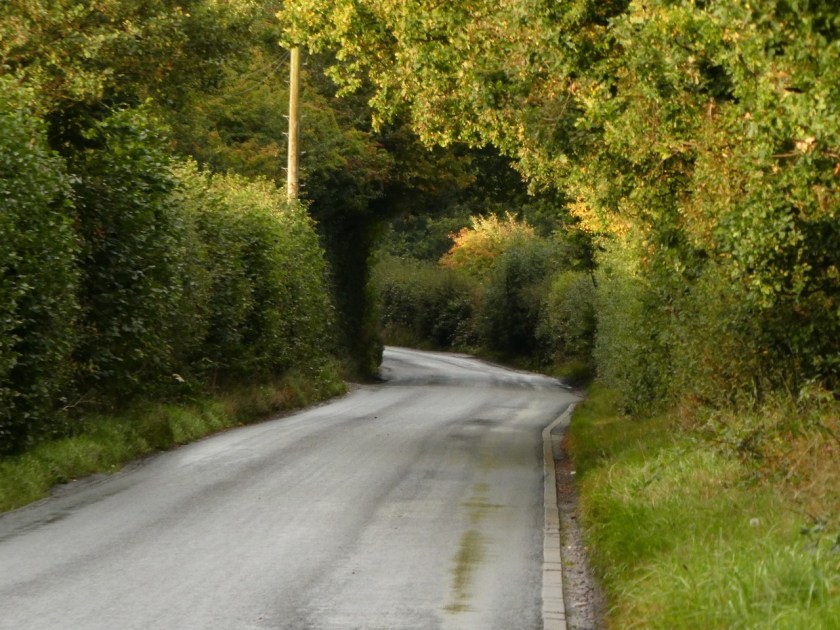
Riding down Green Lane from Walsall, the sunlight caught the turning leaves and made them precious. Not too far from home, sunlight after a grim day, and the promise of good food, a brew and the comfort of family.

The lane and light called me on.

August 16th – Riding to work down Green Lane, Shelfield on a bright sunny morning, and something gently reminded me of my grandfather.

The harvest at Grange Farm has been ongoing, and the road had been treated to a generous sprinkling of spilled cereal kernels – probably wheat. This grain, spilled by machinery and trailers as they lurch from field to barn is a feature of rural and peri-rural areas at this time of year, and is what the old man called ‘gleanings’.

Locally, ordinary folk were allowed to collect the seed lost on the roads and lanes for their own use. Few would use it for food, but many fed it to pets and livestock. Grandad said that you traditionally fed pets you kept for pleasure, not profit on the gleanings, fancy birds like guineafowl. 

Guineafowl were locally called Gleanies from this practice.

I well remember the farm opposite where the old man lived until a ripe old age having guineafowl, which are noisy, shrieking birds. ‘Gleanies am off again, the buggers!’ he’d curse every morning.

On a side note, watch out for the gleanings as they’re slippery and soapy, and steal wheels and grip, particularly when wet.

A warm memory on a warm, late summer morning.