#365daysofbiking To orangey for crows

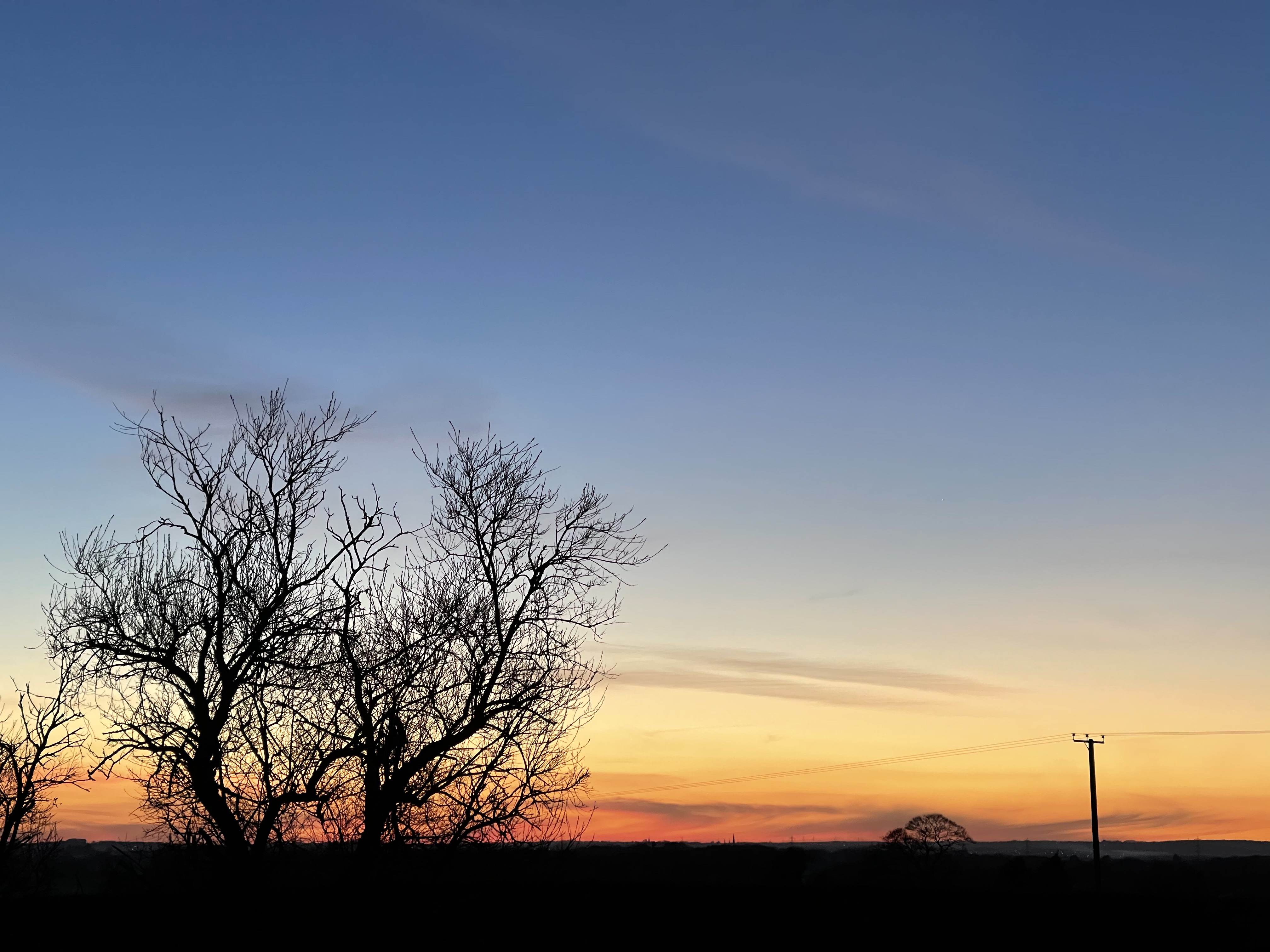
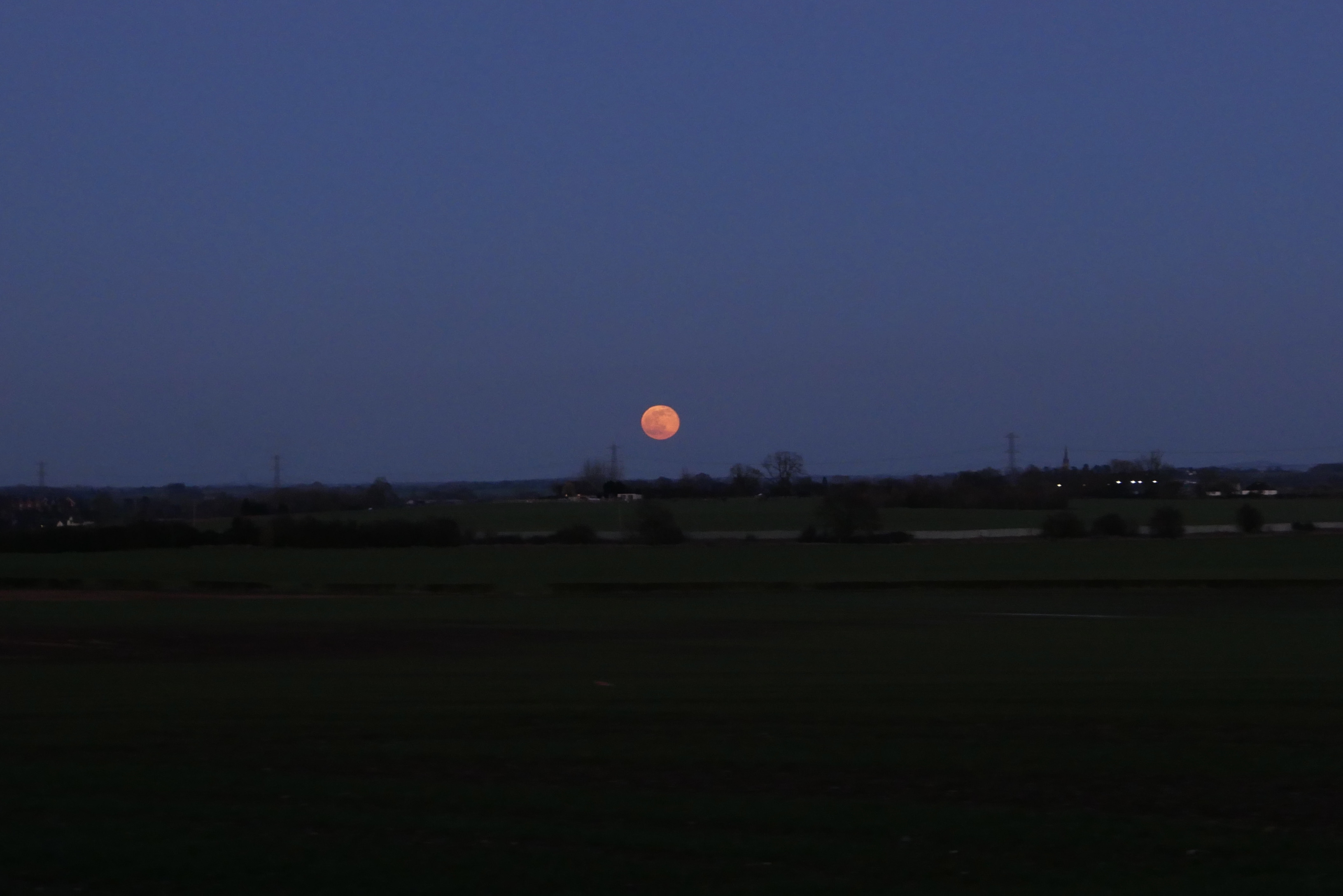
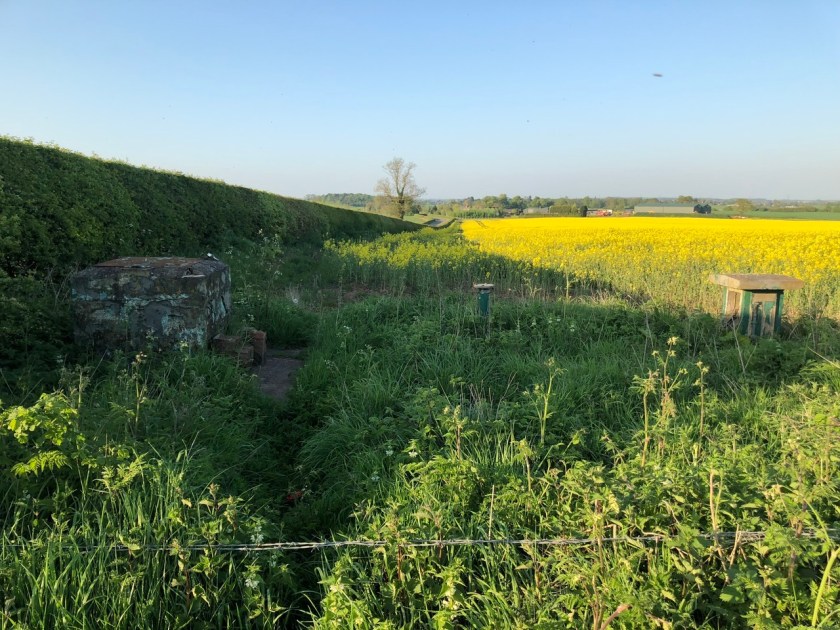
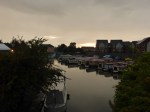
Saturday February 27th 2021 – Another decent sunset which I caught near Haselour on a fast test ride around Harlaston and Whittington – but the real star was the moon, as viewed here from the old ROC bunker by Willow Bottom Lane.

It was the most stunning orange colour – the camera doesn’t do it justice and it was really, really breathtaking. I’ve never seen such a beautiful, large coloured moon before.

The effect is caused by pollution and moisture in the atmosphere, and faded as it rose.

Another I was very glad to catch.

from Tumblr https://ift.tt/3s9For8
via IFTTT

#365daysofbiking Full of beans

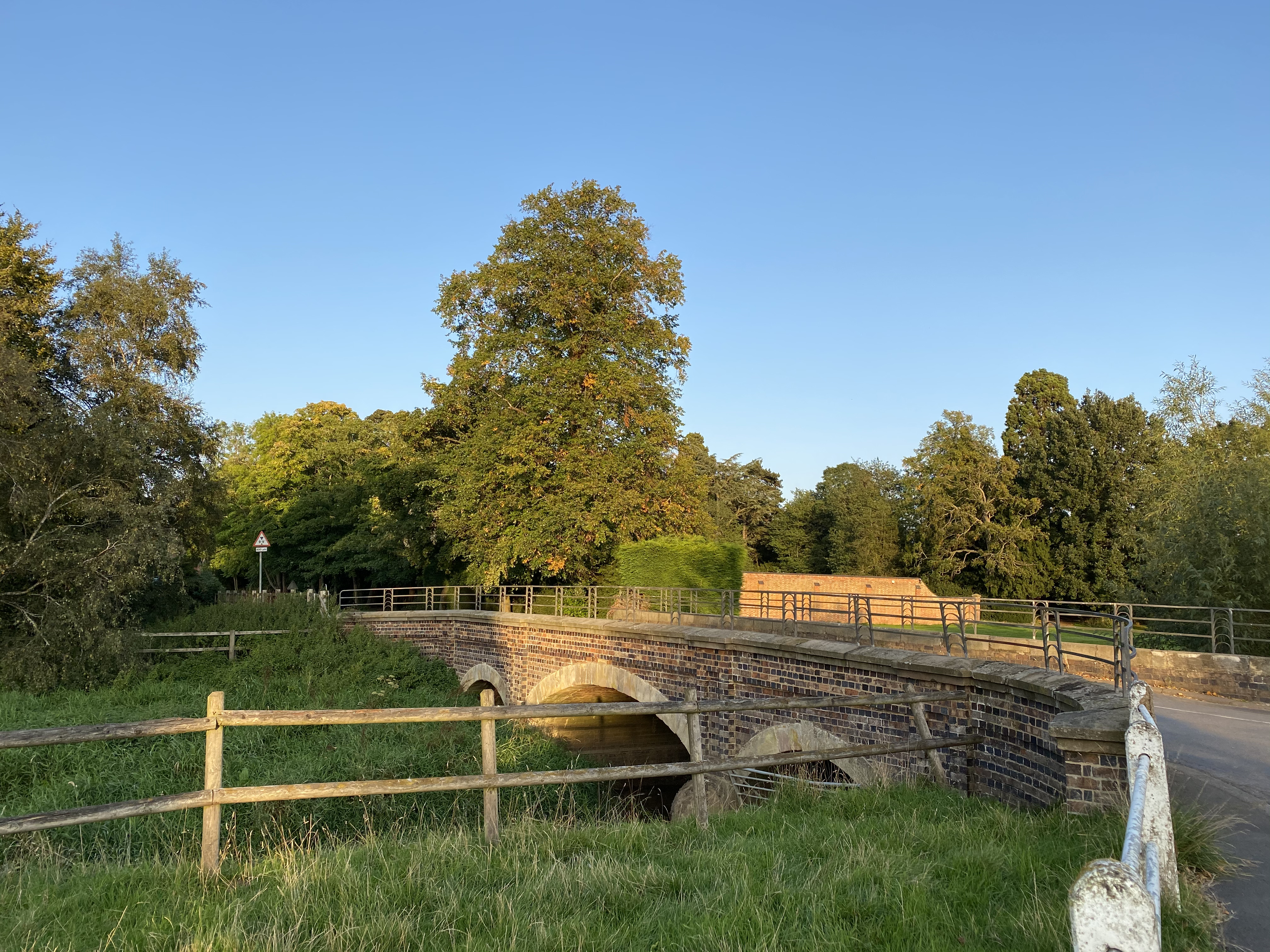
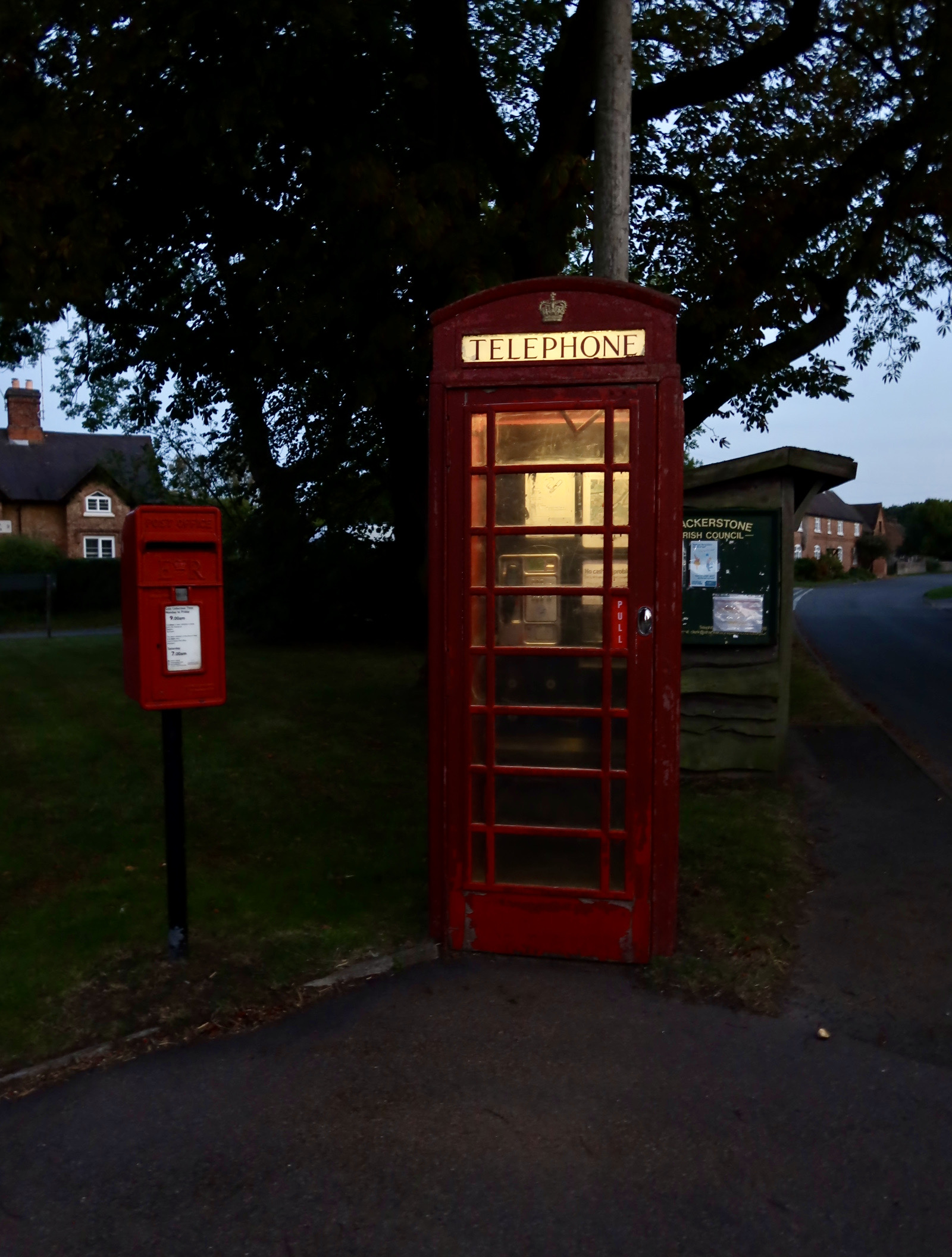
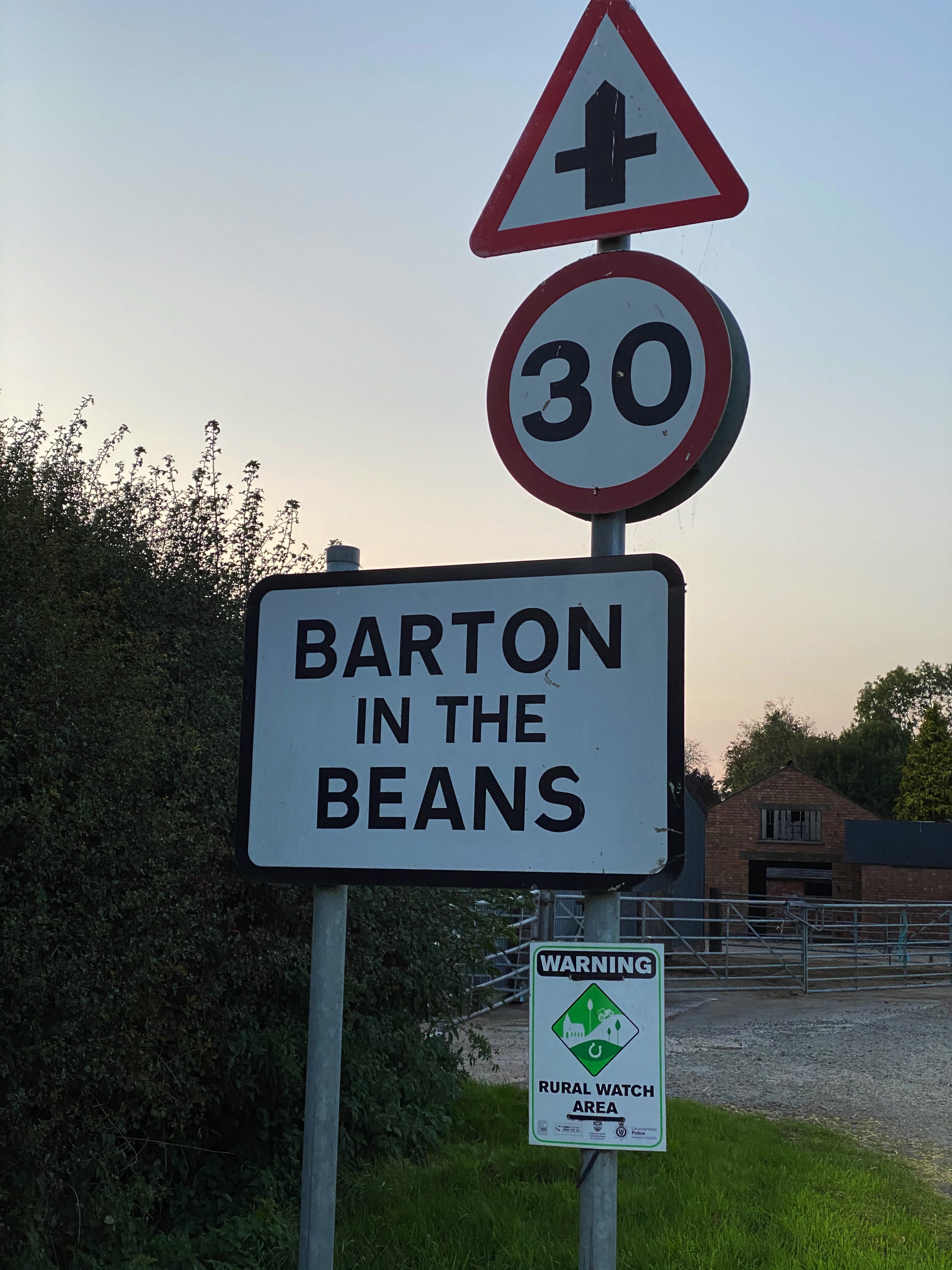
Saturday, September 19th 2020 – My riding partner for the day was groggy and finally decided to venture out if we could ‘see some lovely villages’ in late afternoon – there was nothing for it. We piled it down the old A5 to Atherstone, and explored the country northwards in Leicestershire – Radcliffe Culey, Shenton, Market Bosworth, Barton in the Beans, Congerstone, Bilstone, and back over Orton on the Hill, Clifton and Whittington.

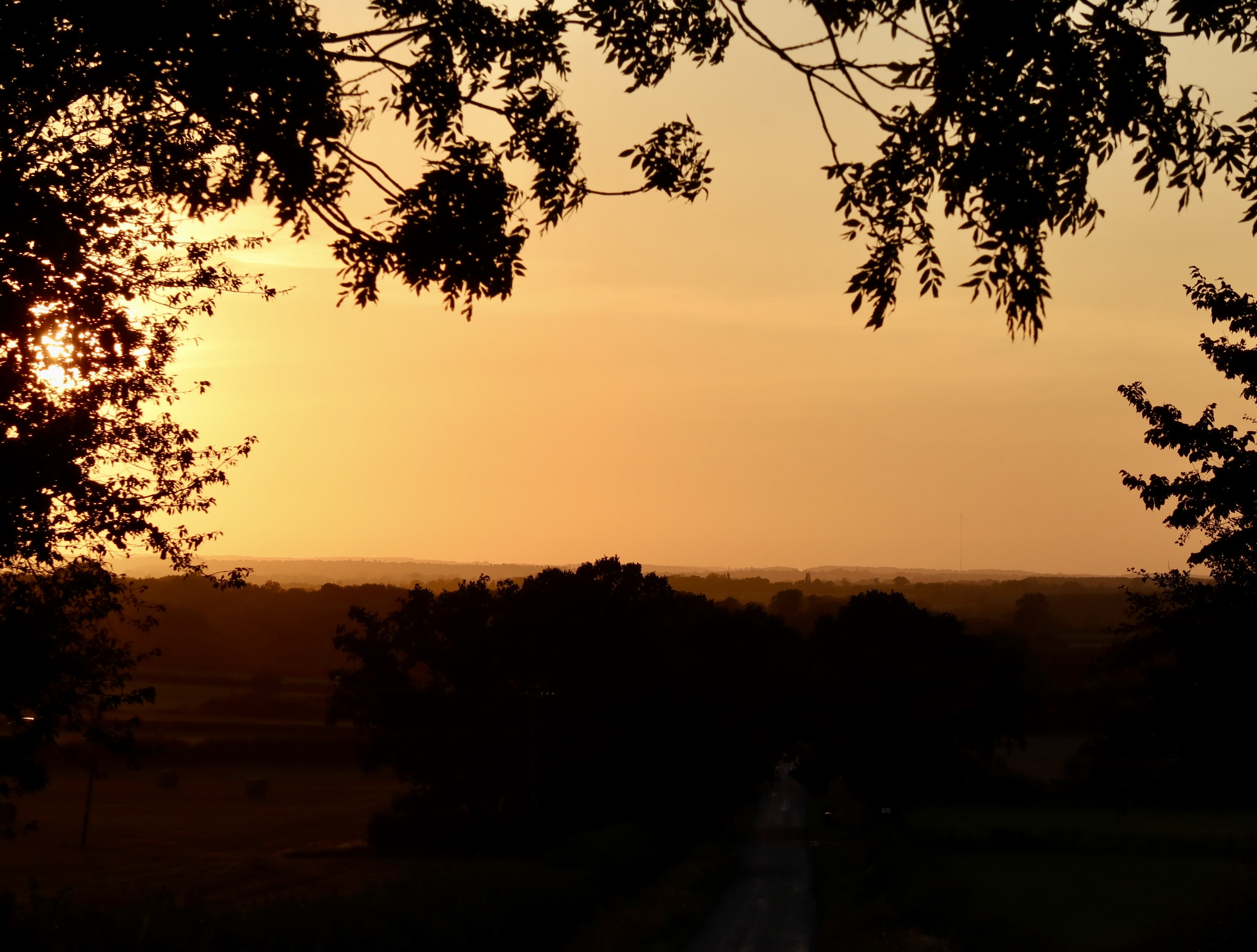
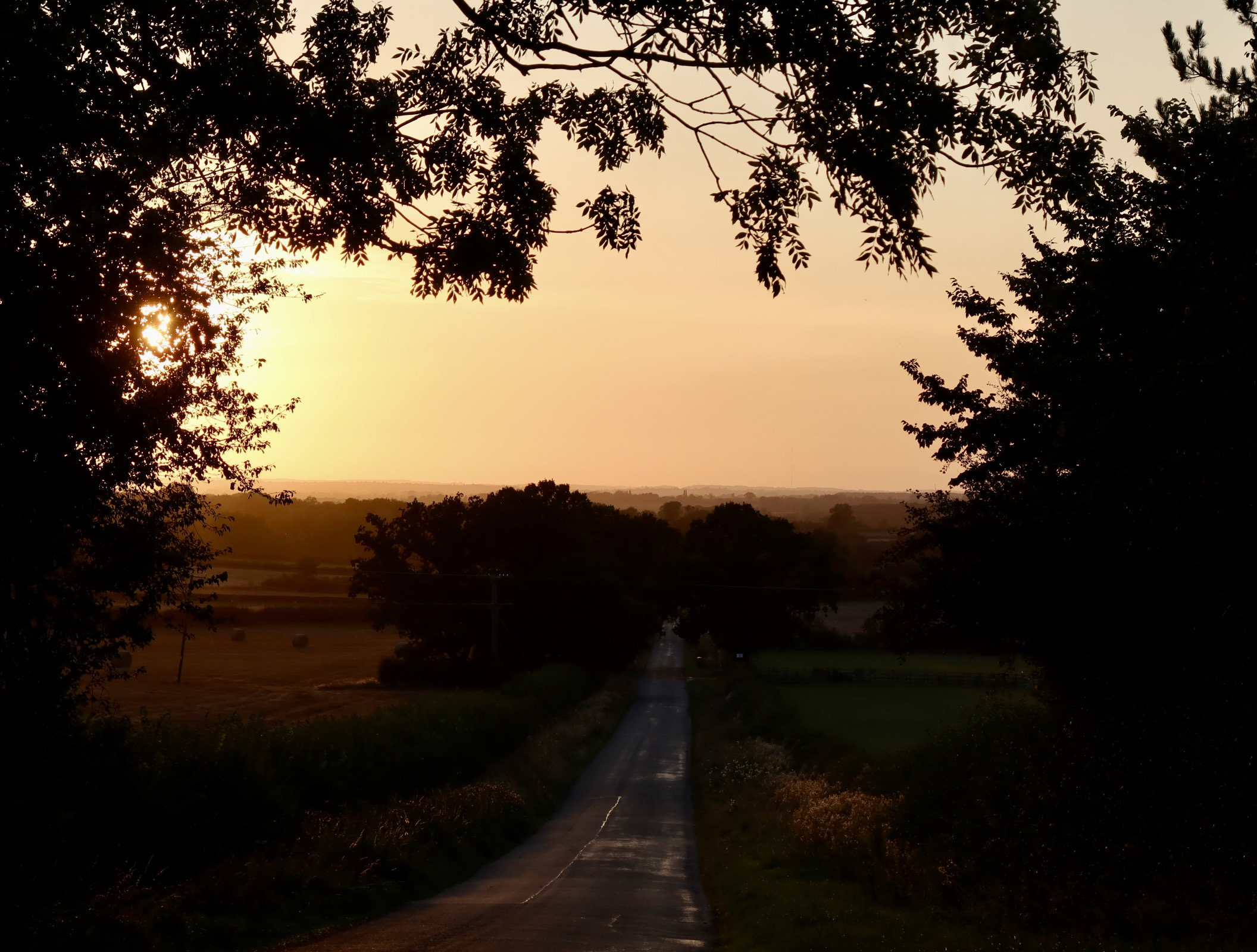
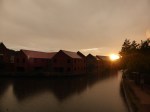
A lovely 70 mile sunset from near Sutton Cheney, the gorgeousness of Shenton I remember from exploring ten years ago, and the glorious run from there into Bosworth.

Leicestershire still has the best place names.

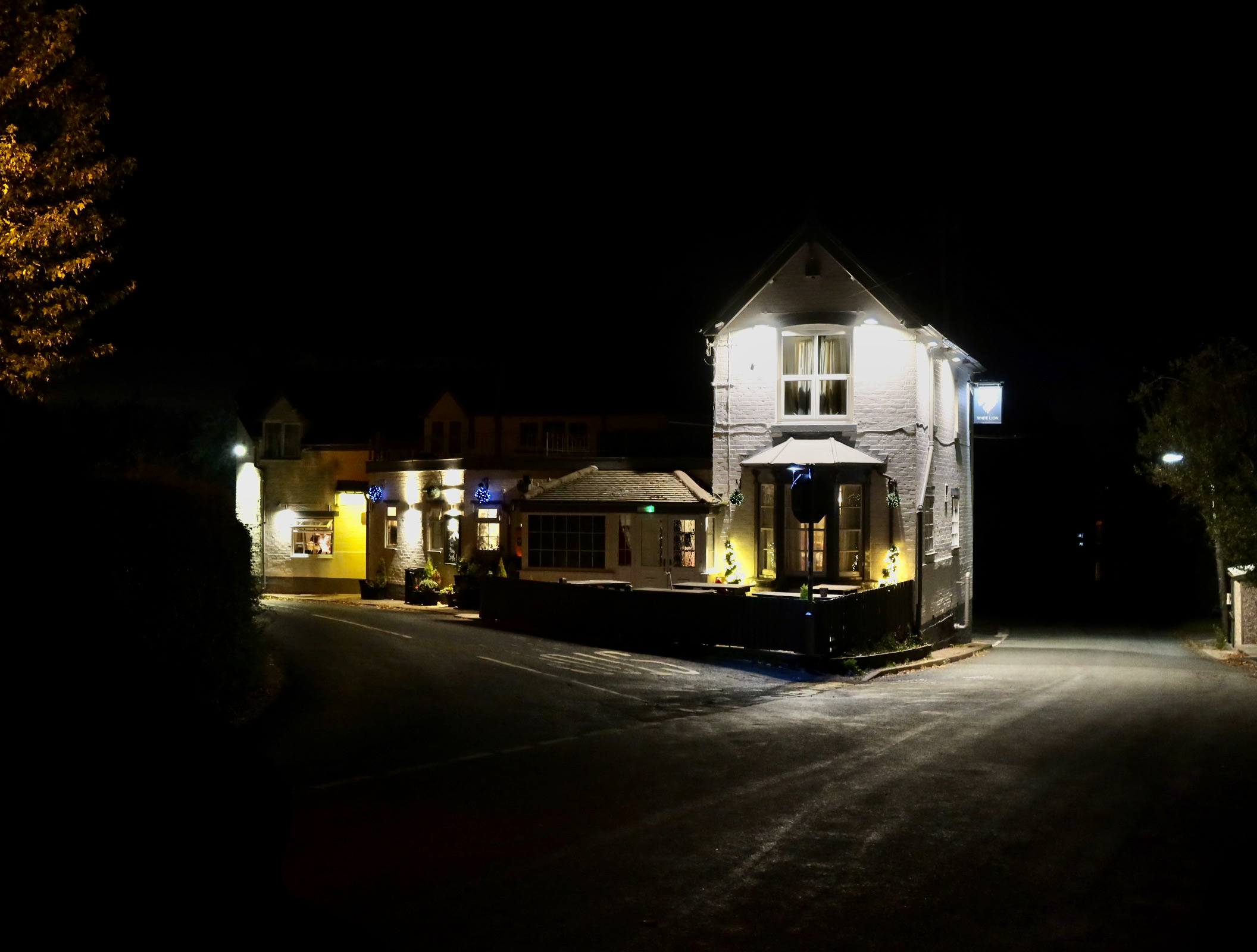
Half the ride was in the blackest of nights, and a real buzz – but a reminder that summer is now well and truly over.

Autumn so far hasn’t been so bad, though.

from Tumblr https://ift.tt/3iTWTXN
via IFTTT

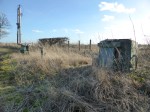
May 6th – Riding back through Haunton to Whittington via Elford, I passed the derelict Royal Observer Corps bunker post at the top of Willow Bottom Lane, just in the corner of the field.

Someone has made a half-hearted attempt to lock it again: It won’t stay locked for long, it never does.

This underground nuclear bunker was intended to house 3 volunteers in the event of nuclear war; they would monitor damage after a blast, and report back on conditions if possible. Their monitoring was on a crude ‘If we survive’ basis, and this bit of Cold War history is obscure and grim.

Since being stood down in the early 90s, these posts – hundreds over the whole country – have been discovered, raided, trashed, demolished and sold; few survive intact and this one itself has been burned out.

But it remains, a grim memorial to a very paranoid time.

You can read more about ROC posts here.

August 29th – Another day, another reservoir, this time Staunton Harold, a wee bit further east than Foremark, but in hillier country.

My trip this time took me though Whittington, Edingale, Lullington and Linton, then over to Calke, and touched Melbourne. After visiting southern and northern tips of the lake, back home through Ticknall, Milton, Repton and along the Trent home through Burton, Drakelow, Croxall and Huddlesford.

I note canalside cat was still on duty at Brownhills, and again the quirky little things stood out; the free cooking apples at Harlaston, the cyclamen at Lullington, the wooden bike planter at Linton. 

All in all, 79 miles and a return in another great sunset. It doesn’t get much better than this.

August 26th – it’s been 7 years since I last rode this way. A fast run through Whittington, Harlaston, Clifton and Overseal, over to Moira where, looking for a cafe, I found Moira Furnace, which looks worthy of a more extended visit. Up through the ex-mining villages, through Blackfordby to Foremark Reservoir, as peaceful as ever it was. Back via Repton, Willington, Burton and Lichfield, a 72 mile ride at a fast pace, finishing under a gorgeous sunset.

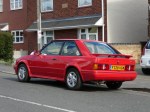
It’s the little things you notice, the owl on a gatepost, the view up the Trent of the disused towers that will soon be gone, and the lovingly cared for Ford Escort that seems to look better now than it did when it was a current design.

A great ride.

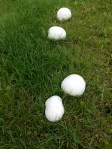
September 12th – These were incredible. I don’t think I’ve ever seen them before.

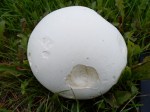
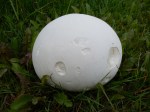
In a field near Harlaston, I spotted their bright white shapes as I sped past. A quick about turn, and I found the largest puffball fungus I’ve ever seen.

Almost pristine, largely globular shaped and the size of a small football, they were like some alien egg rather than fungi, but looking them up at home they are clearly giant puffballs.

The looked like plaster casts. 

A real find – and apparently edible.

April 7th – Sad to see the decaying relics of a lost period of history I feel we shouldn’t let pass unrecorded. The old ROC post at Elford is in a sorry state. Open, vandalised, robbed. Once the pride of the volunteers who would man it in event of a nuclear conflict, it’s just now a lump of subterranean concrete and metal that nobody knows what to do with.

In similarly reduced circumstances but in better condition, the microwave relay tower at No Mans Heath is looking bare now. When I was younger, this unmarked, unacknowledged communications installation was bristling with horn antenna, dishes and drums; now it carries very little. A few telemetry and mobile data links, and that’s it. 

In terms of engineering complexity, the framework of the tower is hugely intricate, now to no purpose. I suppose, like the ROC post, eventually it will disappear; testament to times dangerous in a different way to our own.

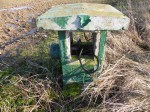
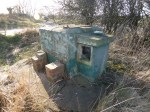
February 16th – As I passed from Elford to Harlaston, I stopped as I usually do, to check out the state of Harlaston ROC post. What I saw saddened me, as it continues to deteriorate.

These odd green surface structures are the visible evidence of a small, 3-man nuclear fallout shelter. Intended to be staffed by a group of volunteers from the local Royal Observer Corps, they were a state secret. Should nuclear conflict have begun, the crew would man this subterranean bunker equipped with basic recording equipment, water and rations, and take measurements of radiation, weather, fallout, bomb damage and soforth. This information would be relayed – if possible – through telegraphy equipment installed within. Posts were sited all over the country, and worked in groups of 3. Others existed locally at Polesworth, Rugeley and Shenstone.

In essence, should the Cold War have begun, three people would have entered this hole in the ground, and if they didn’t perish, they would have carried out their orders whilst waiting to die of radiation sickness. It’s a sobering thought.

The posts – and the Royal Observer Corps – were stood down at the end of the Cold War in the early 1990s, and the posts mostly left to rot. Some were preserved by enthusiasts, some bought by cellphone companies – they make great basetation mounts – but the majority were abandoned, and later discovered in the internet age by urban explorers and cold war enthusiasts.

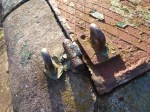
Sadly, the bunkers were left filled with all their equipment – bedding, instruments, lockers, chemical toilets and whatnot – and have mostly now be broken into, stripped and vandalised. Harlaston has been systematically destroyed. The current owner has repeatedly welded the access shaft shut, only to have it continually cut open. When I visited, there we signs of fresh cutting and the hatch was unlocked.

This is a crying shame. This is part of our collective history, destroyed and desecrated by animals with no sense of the historic and social significance.

High on a hill overlooking this northeast outpost of Staffordshire, good folk would have entered this once immaculate shelter to serve us in our time of greatest darkness. Today, it’s trashed.

Scum.

September 8th – A hard 50 miler. I headed out to Hopwas Hays and explored the wood some more, finding what I think were training buildings for basic urban assault practice. They had a curious alley construction between them which would seem to be for practice around blind corners. These days, they seem to attract kids and campers. 
From there, I headed east through Harlaston and Clifton, then south through Thorpe Constantine and Seckington. The sky was darkening, and by the time I hit Shuttington and the canal at Alvecote, it was raining hard. Sadly, the band of rain followed me home. I was soaked and tired.

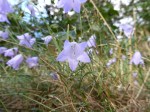
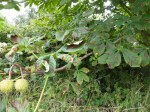
Still, it was nice to see the conkers doing well, despite the evidence of leaf-miner blight, and even the late hairbells were lovely.

Can’t avoid the feeling of autumn, too. As I rode home, the smell of coal smoke was heavy on the air, and there was a distinct chill.

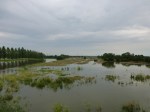
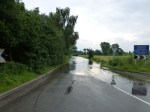
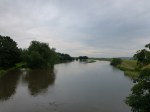
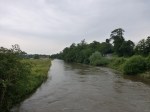
July 8th – When the summer floods come, I head for the floodplains of the Tame, Trent and Mease. Around the National Memorial Arboretum and Croxall, the Tame always bursts its banks and spills onto the A513. Between Edingale and Harlaston, the Mease floods. Back at Elford, the Tame reclaims the nearby farmland. 

I love to ride through these floodwaters. Very challenging, it’s a fun, demanding thing to do. On this Sunday evening, in sandals and shorts, the water came above my wheel hubs, but wasn’t as bad as 2007, when almost the entire bike was submerged. An impressive, destructive thing.