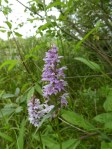
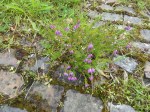
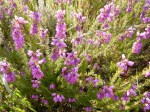
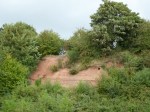
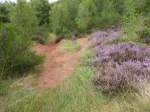
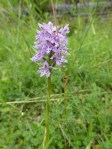
July 9th – Also being reclaimed by nature and teeming with flowers is the Victorian brick lined spillway at Chasewater, and I’m not sure how I feel about it. The flowers and plants – including heathers, mustards, spotted orchids and others – are gradually overcoming the masonry and are beautiful. But this is also industrial history. 

Should it be cleared, even though it’s unused, to preserve it? Or just left to decay, beautifully? I can’t decide.

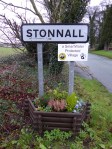
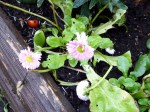
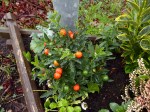
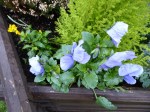
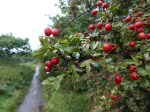
January 9th – Out for a spin around Stonnall before the rains came again, I spotted another sign of the odd season. The sign announcing one’s entry to Stonnall out by the church has a planter at its base; in the planter, a variety of flowers are in bloom, including heather, ornamental daisies and primroses. I have no idea what the plant is with the orange, marble-sized fruits, but it looks familiar and is very attractive.

A nice dash of colour on a grey day – my compliments to the folk who tend these lovely village features.

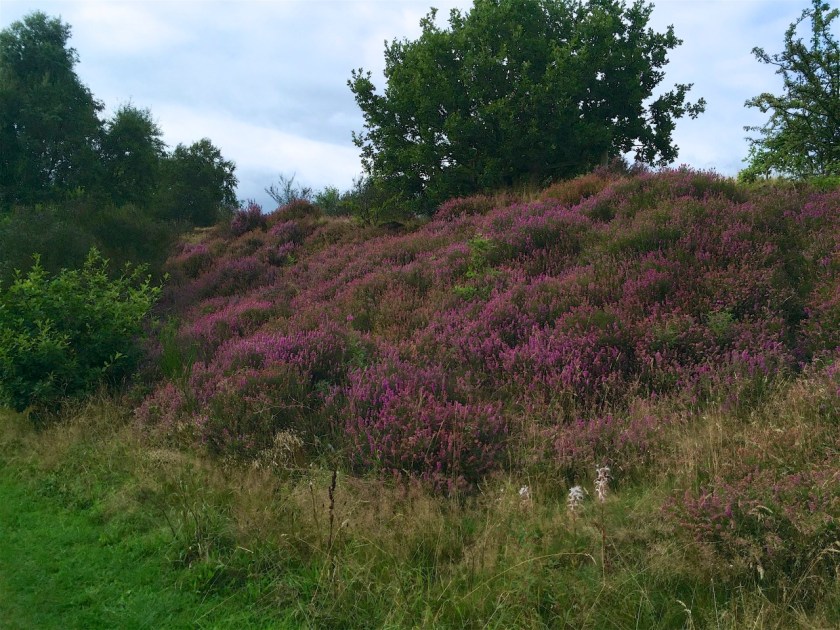
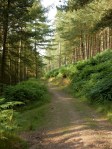
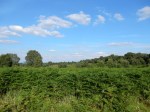
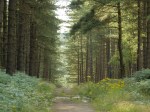
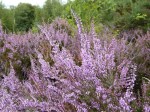
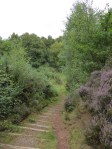
August 8th – Up on Cannock Chase late afternoon, my love affair with this place continues. The heather is splendid at the moment, as is the thick brush of verdant bracken. The forest tracks around Wolseley Plain and Foxhunter’s Valley were as superb as ever.
After a hectic period at work and some ill health, this is just the tonic I needed.

August 30th – I don’t go to Shire Oak Park nearly enough. This Local Nature Reserve, which was once a sand and gravel quarry exploiting the bunter sandstone ridge on the crest of Shire Oak Hill, is a wonderful and rare place. It’s teaming with wildlife, from rabbits to amphibians, mustelids to owls. In this sandy, sheltered enclave, deciduous trees like oaks and birch (and even the odd maple) are thriving, and the outside world seems a long way away.

The reserve is maintained by Walsall Council and on this dull Saturday afternoon, it struck me how clean and litter free the place was. Like all such spots, there’s occasional nuisance from ASB and the odd idiot, but this is a lovely, little known place.

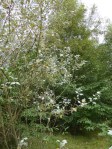
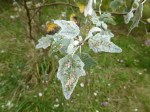
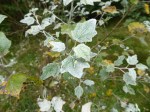
The heather in bloom is gorgeous here, but as with everywhere else, the oaks have had a bad year, with leaf miners and a lack of acorns startlingly evident. Also, I was puzzled by the white appearance of the unrecognised shrub I spotted by the main steps. Can anyone help? Is this disease, pest or normal?

August 25th – A wet, miserable bank holiday Monday. This was the wettest, coldest one I think I’ve ever known. I always find this day depressing; it’s the last holiday before Christmas, and for me, seems to flag the end of summer. A week later, the kids will all be back at school, the nights will be drawing in even more, and the sun will lose it’s warmth.

In short, we’re advancing to Autumn at a fair lick now.

I rode out mid morning during a lull in the rain, and spun around Brownhills and Chasewater. The fruits, glistening with rain, were gorgeous, and the heather is particularly beautiful at the moment. The still green embankments and hedgerows cut a bright dash through the gloom.

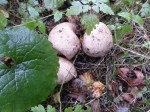
I did note puffballs on the old railway off Engine Lane, another harbinger of Autumn. 

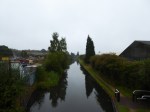
At Chasewater, the valves are fully open and the waterlevel is dropping quickly. I wonder if there’s a purpose to this, as the canal is clearly full to overflowing.

A grim ride on a grim day. Brace yourselves, summer is closing out now.
August 9th – Some months ago there was a brouhaha locally about plans to manage this section of Brownhills Common by removing the conifers, which are not natural here and are damaging the biodiversity of the heath.

Many locals didn’t see what the problem was. Here its is, this afternoon, in a nutshell.

Here we have open heather heath, host to a myriad of insects, small mammals, and passing deer. The heather, grasses and small, deciduous saplings are being choked by fast-growing spruce. 

What chance does that oak sapling stand against the larger conifer shading it? If left unchecked, how diverse will this spot be in five years?

This is why management is necessary. Because if we’re not careful, the heath here will be lost, together with all the species it contains.