




July 7th – It was indeed a better day. The sun was out, the wind had subsided as had the discomfort in my stomach.
I headed out on the canal to Wolverhampton, taking a slow but enjoyable potter down the mainline canal to Birmingham. From there to Aston, where I left the canal and got on a train back to Shenstone.
I noted the Dudley Tourist Board had been working hard to improve it’s customer service at Coseley Tunnel, where I doubt I’ll ever negotiate the southern portal steps with a bike again, although it was certainly an adventure.
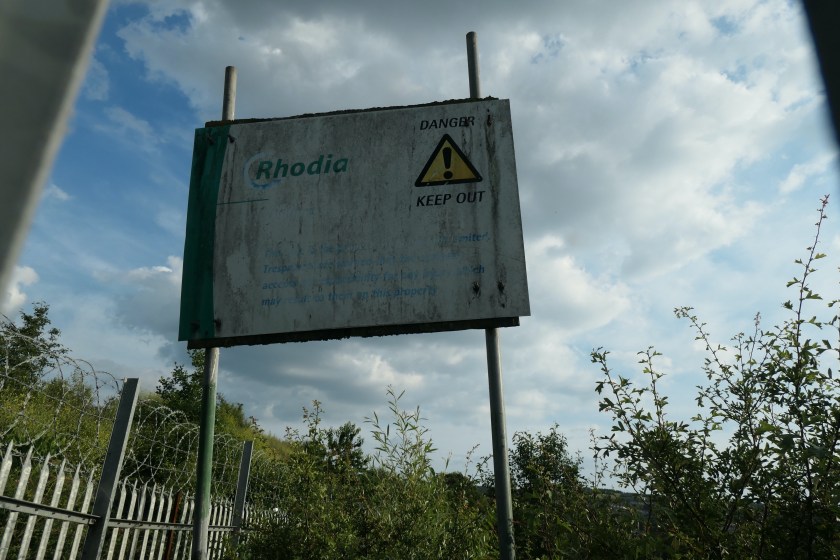
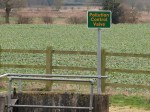
Calling at the heavily secured, ghostly Rattlechain Pool, the lagoon concealing many thousands of tonnes of the worst toxic waste was a strange experience: It looks so serene and peaceful, yet the pool – itself just a cap to the material beneath, separated by a thick impermeable skin – is securely fenced and covered by many cameras.
It’s a ghostly and controversial place.
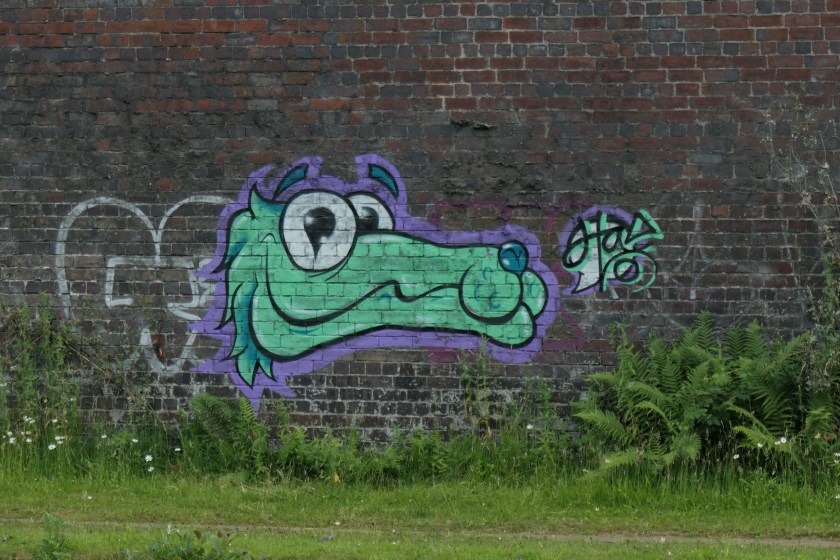
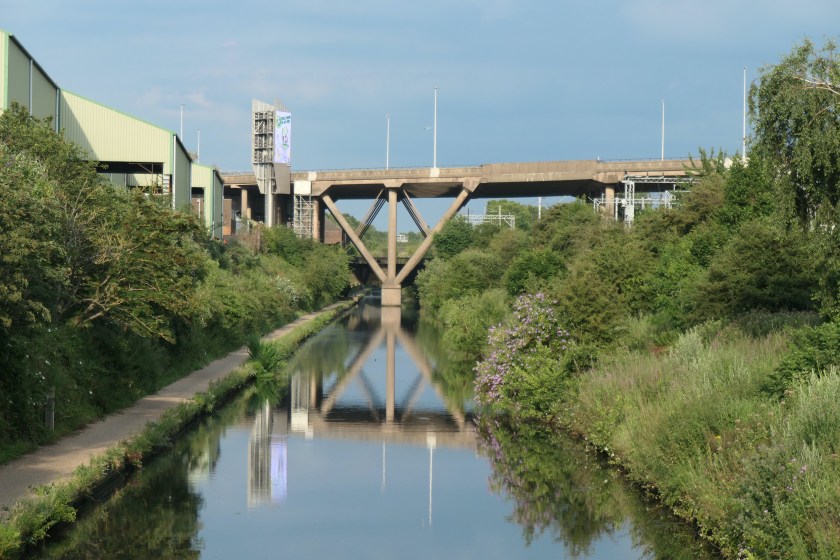
Under the M5 viaduct and Telford’s magnificent Engine Arm aqueduct, the canal is a peaceful, gentle and serene refuge from the mad urbanity above, and the street art is, as ever, fascinating.
Passing on the canal down the Snow Hill flight, I see the view is a matter of opinion. But why? What’s that all about?
A great restorative ride.
This journal is moving home. Find out more by clicking here.
from Tumblr https://ift.tt/2lt2hbw
via IFTTT




 BrownhillsBob's #365daysofbiking