September 17th – A spin around Chasewater in the rain. The park was pretty deserted just after lunch. I span round, the drizzle persistent but relatively warm. The cows on the north heath were trying to find shelter in the woods, and looked thoroughly cheesed off. Meanwhile, further down the heath to the north shore, workers were cutting the scrub and burning the waste, resulting in the lake being covered in a low layer of sweet-smelling smoke. 

As I returned down the causeway, I noticed the crews of kids in rowing boats, out from the Outdoor Education Centre.

Life doesn’t stop at Chasewater when the summer goes; it just gets a bit more challenging.

August 18th – Chasewater is great at the moment. I passed through in the early afternoon, on a warm but windy Sunday; the lake was busy, and people were out, taking the air, cycling, walking dogs, playing football or frisby with their kids. So nice to see it busy and beautiful again.

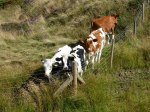
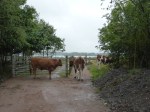
I see the herd of cattle has expanded – as well as the lads munching away on the north heath, we now have a bovine maintenance crew on the spillway heath, between the Nine-Foot, Anglesey Basin and the Toll Road boundary. Like cows do, they were exploring the field boundaries and watching passers by nosily. They’re a great asset to Chasewater and it’s good to see them.

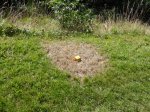
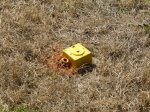
Meanwhile, on the embankment track between Jeffrey’s Swag and Slurry Pool, someone has been measuring. That’s a surveyor’s datum block (the stud is the datum) and presumably that’s some kind of measurement bore. Wonder what they’re looking at?

August 9th – Some months ago there was a brouhaha locally about plans to manage this section of Brownhills Common by removing the conifers, which are not natural here and are damaging the biodiversity of the heath.

Many locals didn’t see what the problem was. Here its is, this afternoon, in a nutshell.

Here we have open heather heath, host to a myriad of insects, small mammals, and passing deer. The heather, grasses and small, deciduous saplings are being choked by fast-growing spruce. 

What chance does that oak sapling stand against the larger conifer shading it? If left unchecked, how diverse will this spot be in five years?

This is why management is necessary. Because if we’re not careful, the heath here will be lost, together with all the species it contains.

February 23rd – The cows on Chasewater’s north heath are a fixture now. Kept there to maintain the heathland, they do so by nibbling the fast growing voracious species, and allow the hardier, slower growers to come through, and their poo helps nourish the land. Earlier in the year there was just four, but there’s nine now, and they don’t seem to mind the people. 

They don’t take any nonsense, either; they’ll stand their ground against impudent dogs and anything else that distracts them from their preferred occupations – namely loafing, eating and snoozing.