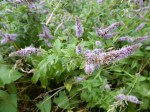
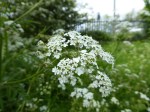
August 16th – Feeling better, I pottered off to Aldridge to do some shopping on Sunday afternoon. On the canal near Northwood Bridge, an unusual sight; a dense, thick patch of what looks like miniature buddleia, but is in fact wild mint.

It smells gorgeous, and the bees are loving it. I never knew mint had such gorgeous flowers.

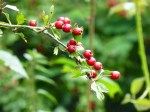
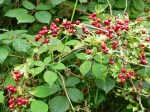
Meanwhile, near Clayhanger, another reminder of Autumn: Haws ripening well. They look plum and will see many songbirds though winter, with luck.

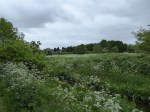
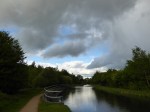
May 26th – I had cause to visit Walsall Wood on my way home, on a surprisingly busy Tuesday evening. The sun was shining, but it was cold, with a sharp headwind; this May has had much of the wolf about it and I shall be glad to see the back of it and get some calmer, warmer days in.

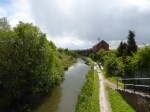
I love the view up Shire Oak Hill to the northeast; surprisingly green, busting, the rooftops and chimneys, combined with a cheerful urban optimism always makes me feel good.

This isn’t such a bad place.

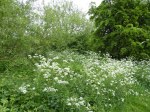
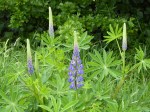
May 24th – The wildflowers and blossom are wonderful this year. On my way to Aldridge along the canal, I saw lots of hawthorn, cow parsley and my first flag iris of the year. I think the pink and violet ones are columbine or granny’s bonnet. The lupins are also superb.

Here goes the yearly uncertainty over flower identification. Ah well, down the hatch.

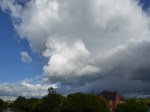
May 19th – Most of the day, the weather was dynamic. Sun, rain, wind, hail, sun… but even in the sun, it still looked black over Bill’s Mothers. The coos knew what they were doing.

I got soaked three times. But the rain passed as quickly as it came and it wasn’t cold.

May. It rages and it roars and it blows; but usually, it creeps out on tiptoe, spent from all the tantrums.

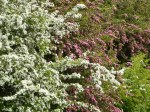
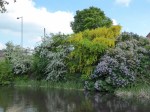
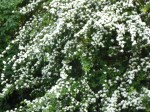
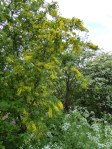
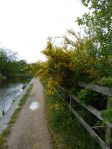
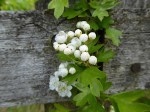
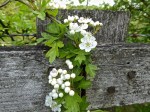
May 17th – Out for a leisurely ride in the sun, I took the canal to Newtown. On the embankment near the Chase Road, I spotted these colours of late spring and early summer. Hawthorn, laburnum and lilac, all growing wild on the side of the canal in an otherwise unremarkable bit of Brownhills.

People will tell you this place is ugly, boring and worthless. It’s not. It has immense beauty. But your eyes have to be open to see it – and so does your mind.

May 10th – Not a great day, blustery with rain showers, but the flowers and blossom still look good. On the local canal bands hawthorn, gorse, laburnum and cowparsley combine to leave the hedgerows a riot of yellow and white, the colours of spring and early summer.

All these are quite ordinary, overlooked blooms, but do look at the gorse and cowparsley – fantastically complex and beautiful.

October 1st – One of the relatively unsung heroes of the hedgerow is Hawthorn, or May. It’s dark red fruit – haws – are maturing well now. Full of goodness, they stay in good condition on the branches and provide sustenance for the birds in the darkest depths of winter, when softer, more palatable fruits like blackberries have long gone Just like they will with garden Cotoneasters, blackbirds will defend a laden bush at all costs against other birds, and haws are bitter enough to only be eaten out of desperation.

Hawthorn is the mainstay of most rural hedging, and populates a lot of woodland. It really is the stalwart of the great British hedgerow.

September 20th – A busy, draining day. I had urgent and unexpected stuff to attend to in Redditch, so headed out early. Expecting a quiet journey, it was horrid, and the task I had to undertake didn’t go smoothly either. At 11:30am, I left Redditch and had to go to Tyseley, so to get a bit of perspective I cycled up the Arrow Valley cycle route back to Redditch Station. It’s interesting how, even in this most unusual of years, some things have prospered. One of those things is hawthorn. Everywhere I go, hedgerows and trees are laden with deep red berries. Some say this is the sign of nature preparing for a hard winter.

The fruits themselves are edible but quite bland, and not actually berries at all; they are pomes, the same structure and type of fruit as apples. Haws are said to have health and fertility promoting properties, and can be used to make wine or jams. Birds love them, and will survive on this plentiful, sugar-laden bounty during the long months of winter.