#365daysofbiking Tenant of the latticework

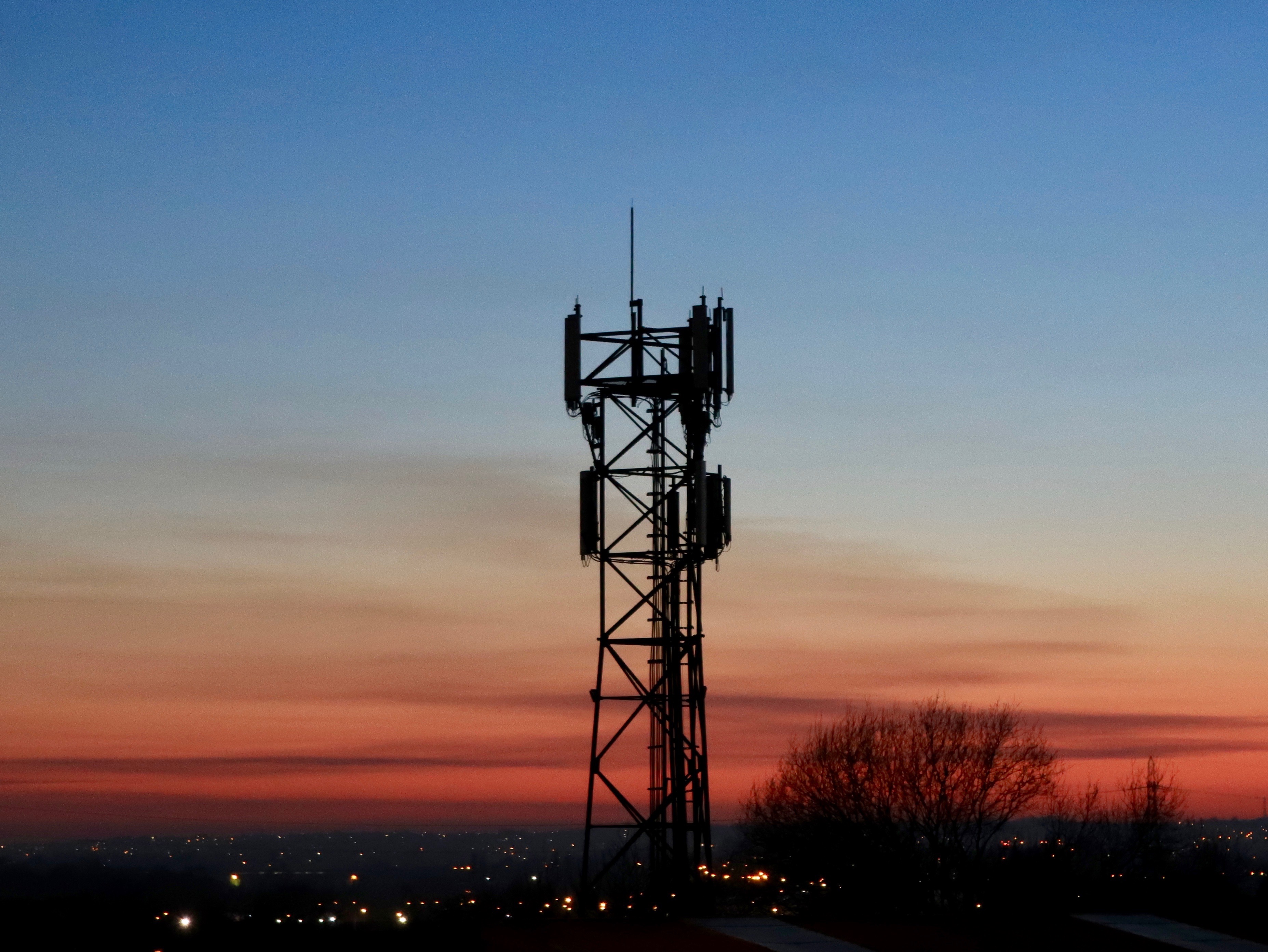
February 27th – This time of year one view that always snags my attention is that of the cellphone transmission mast at Kings Hill with a sunset behind it.

Tonight it looked particularly fine.

I always admire radio masts and installations – like pylons, always the minimum necessary to support their load, but rarely inelegant. They stand solid, conversing in energies undetectable to human senses, buzzing with commerce and electrical energy, but otherwise silently exchanging data with the atmosphere.

Hardly anyone notices them, but they a a huge necessity of the modern age, and they fascinate me.

This journal is moving home. Please find out more by clicking here.

from Tumblr https://ift.tt/2StwamF
via IFTTT

July 1st – It was a great sunset, which I caught best from Meerash near Hammerwich. 

The sunsets lately really have been excellent.

I’m also a sucker for radio transmitters and sunsets – I find something really enigmatic about them.

A great end to not the best day, but a good evening outing none the less.

December 5th – I had to go to Telford, and on the way I bought a ticket from the Arriva Trains Wales conductor, as I usually do.

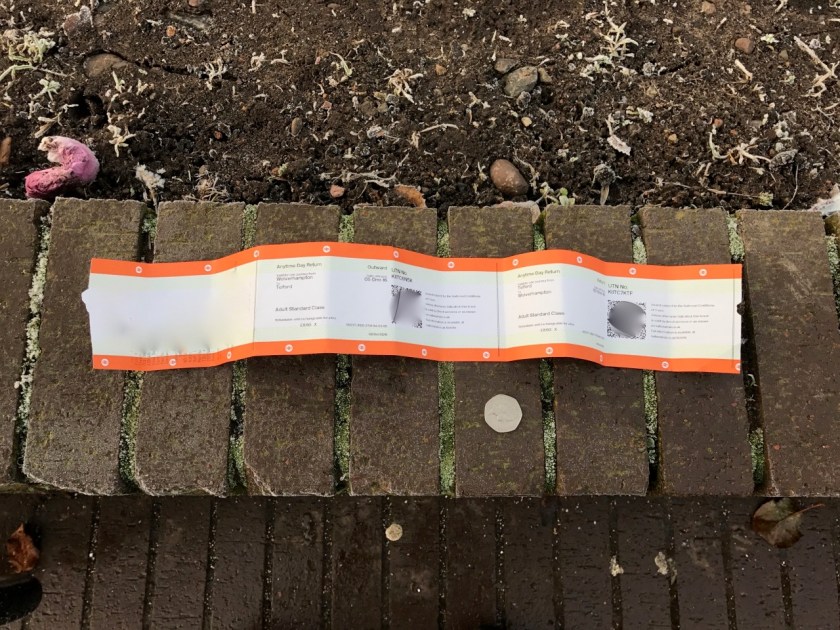
It appears the staff have been issued new ticket machines. Instead of printing a return on two standard, credit-card sized stuff card tickets, I was awarded this scroll: a twenty inch by three inch piece of thermal paper bog roll. This is the new standard for tickets issued on trains.

So, just as Network Rail adopt automatic barriers at stations, train operators start issuing huge, impractical tickets that won’t operate them.

Well done to everyone concerned. I’m really impressed.

Not.

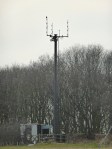
April 9th – Hiding in plain sight on the treeline of a small copse on Sandhills, near Shire Oak, is a Tetra mast. Painted matt brown to blend in with the background, it’s not a mobile phone cell tower, but one of the nodes of the emergency services radio communications and telemetry network for the UK.

Erected in the last decade, Tetra is a secure system designed for use specifically with emergency services in mind. Working at a lower frequency than normal mobile GSM, it’s more efficient structurally, provides secure, encrypted communications and provides all the features required for modern operations.

The network wasn’t without controversy, as the earliest systems interfered with TV transmissions in some instances, and it has proven very expensive to implement, although the system is in use now in much of the developed world.

There are a fair few of these installations around. Look out for them – like this one, they can be hard to spot, but mostly share the same, three-element design.