#365daysofbiking Scum

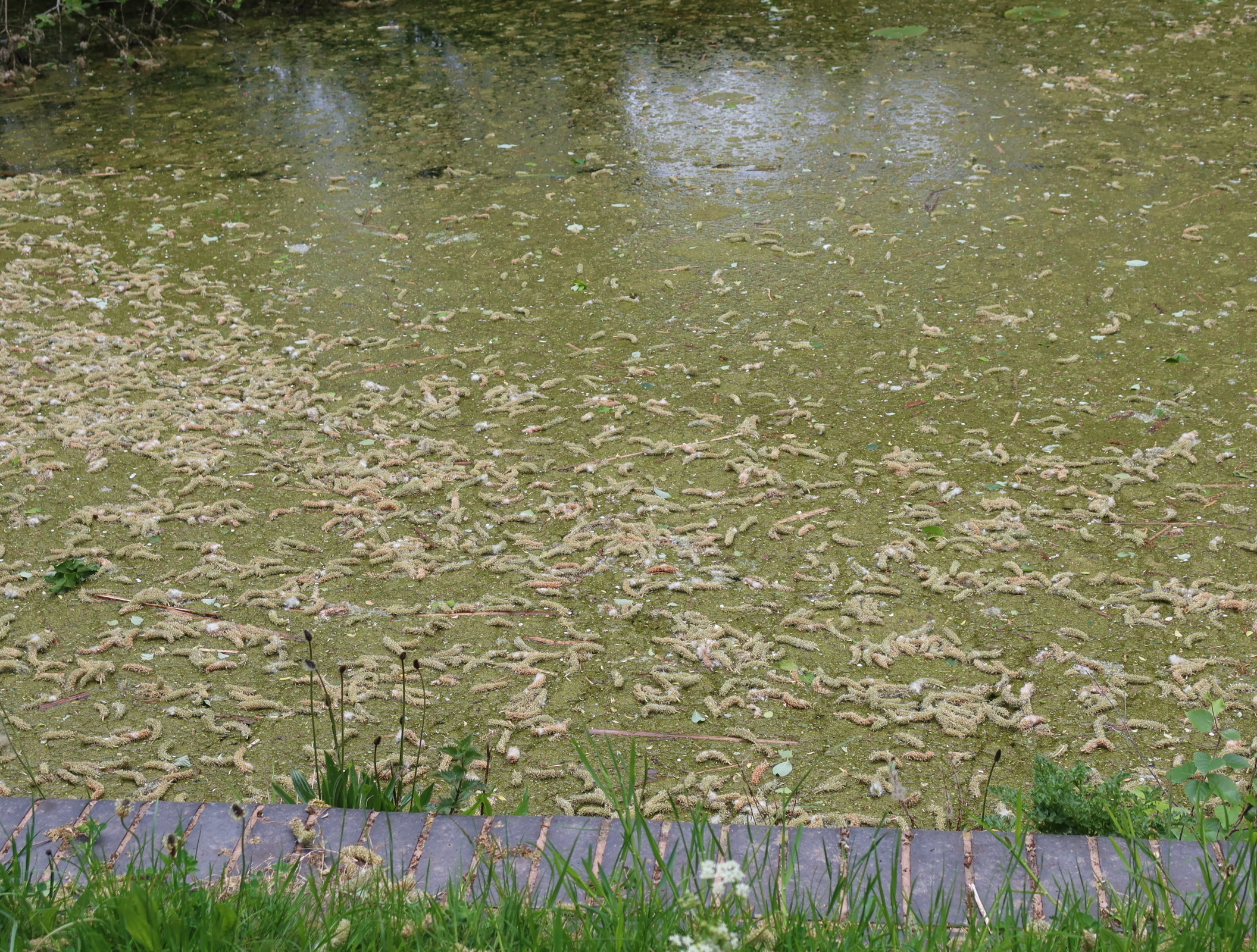
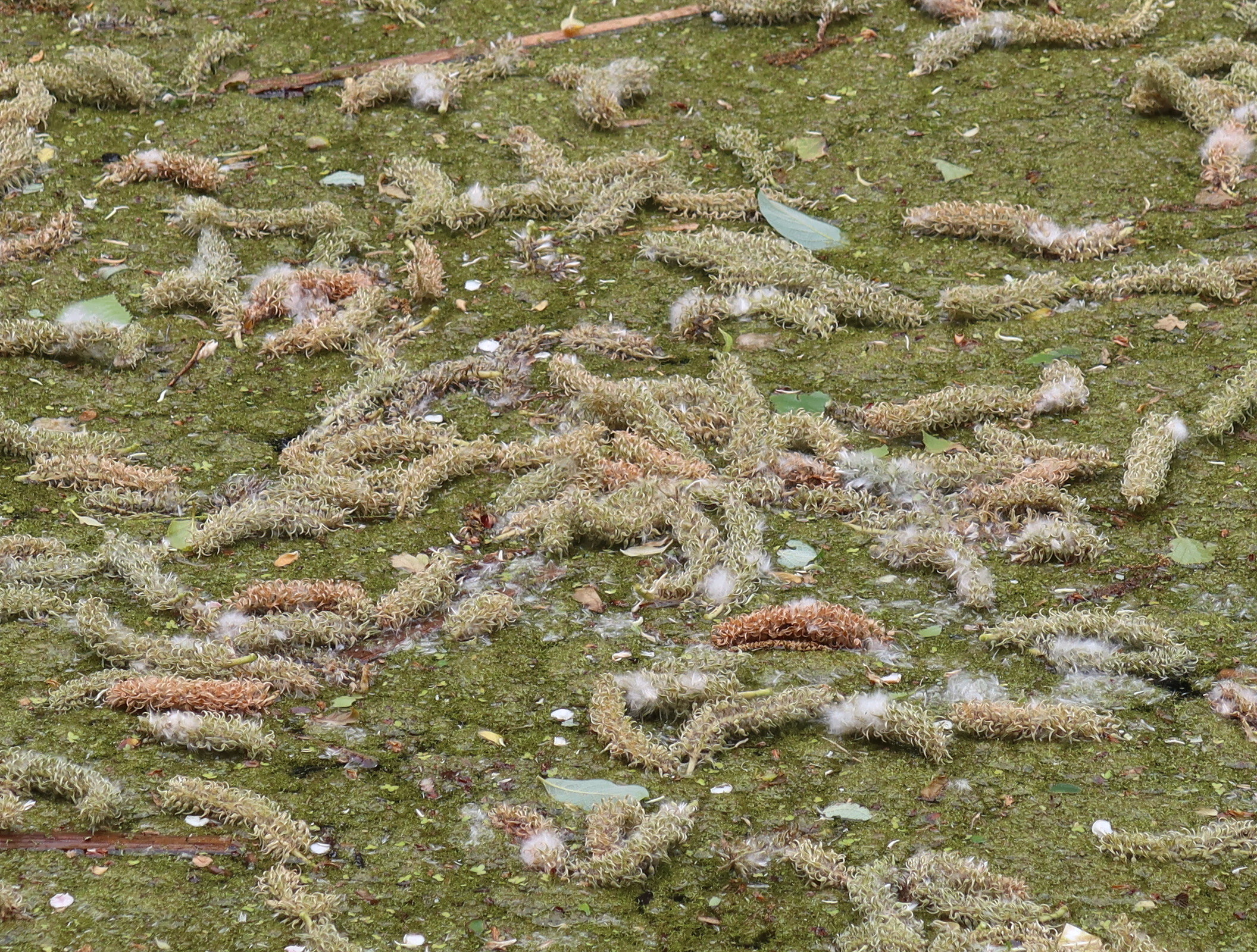
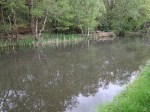
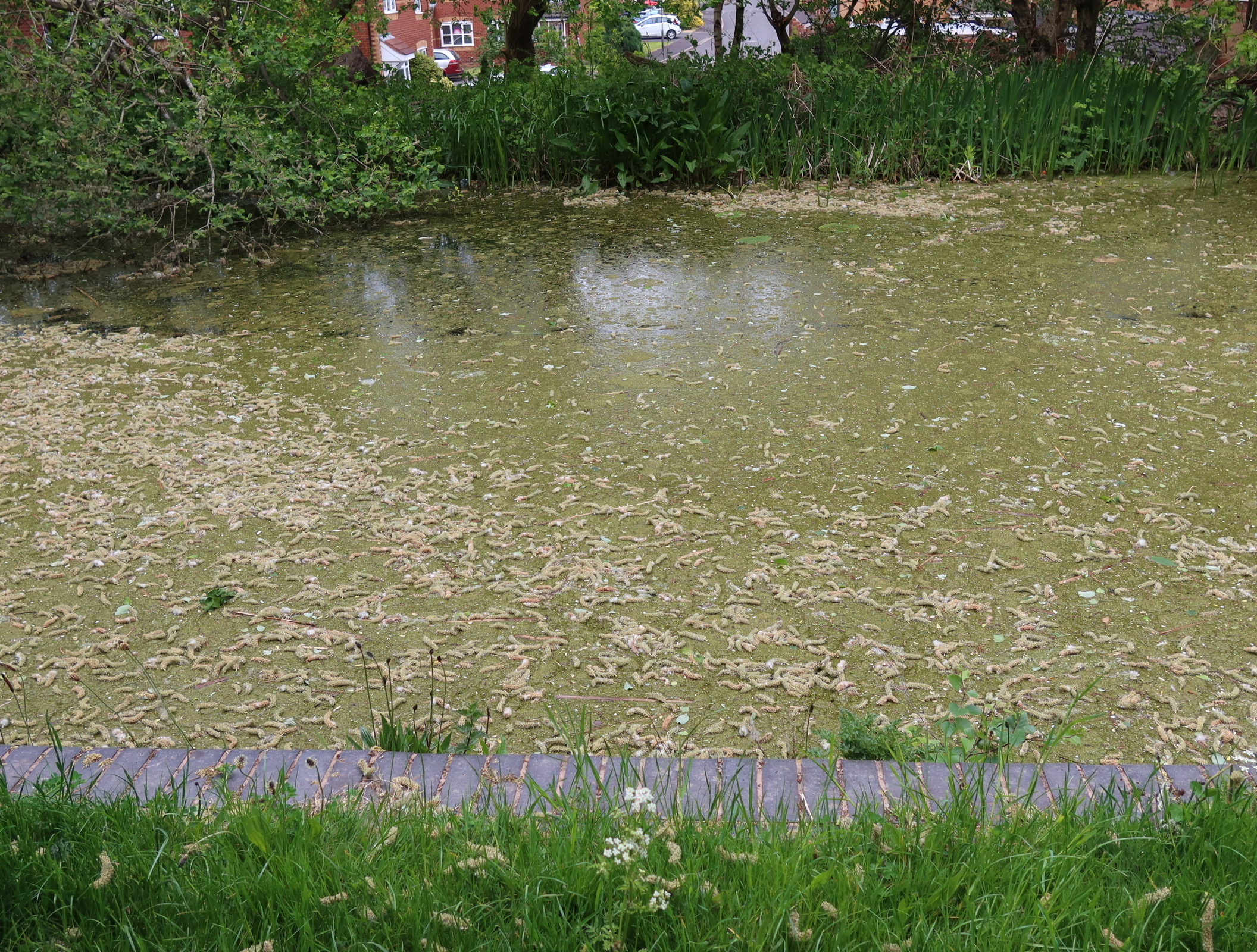
May 12th – Again, the local canals were thick with organic scum – not just the usual azolla bloom, which is still persisting but has mostly died back now, but detritus and dead bloom heads from sallow trees that border the canal there.

It looks awful but will soon disperse, and it just one of several reasons the canal forms natural organic layers throughout the year.

This journal is moving home. Find out more by clicking here.

from Tumblr https://ift.tt/3f8pG8q
via IFTTT

August 17th – I see there are patches of scum on the canal again in various spots. These seasonal bands of detritus are ugly, but are organic in origin – usually pollen, blossom debris or seed mast. 

I couldn’t work out what was generating this one, and it’s sporadic, but suspect it’s connected with nearby trees.

It’s a sign of the much cleaner times that such events are now so noticeable.

May 11th – A dull day without much to commend it, and a rather nagging wind. Coming back through Brownhills along the canal in the evening, I noticed in the very beginnings of a rain shower that the canal was developing one of it’s periodic organic scums – this time it looks like a mixture of willow fluff and may blossom petals.

This comes also at a time when many junctions, bends and winding holes are also covered with floating, dead reed stakes and leaves, making the canal as a whole look pretty untidy.

It’s nothing to worry about though; such detritus will disappear as quickly as it came, as it does every year. It’s just curious while it lasts

July 18th – On the canal near the Black Cock Bridge, there’s again a natural, organic scum that seems to be originating in the reed beds on the far bank. I can’t see what it is, but the film is definitely organic and natural.

There’s been a lot more of this phenomena this year than normally – I wonder if it’s a factor of the particularly warm summer we’ve been having?

August 19th – I’m fussy about brakes. Very fussy indeed. Urban cycling – particularly in heavy traffic – demands the ability to control speed and stop with certainty and dependability in all conditions.

Since I discovered disc brakes a few years ago now, I’d never have a bike fitted with anything else. After using cable controlled versions – the excellent Avid BB7 – these days, I use hydraulic brakes by Avid (part of what used to be Sachs for old timers reading out there) and by Shimano.

They are both excellent kit. Being hydraulic, however, they absolutely devour pads.

Modern cycle disc brakes started on mountain bikes, where braking is usually short, or at relatively low speed. With similar units on commuting and road bikes, engineering questions of heat dissipation, wear and glaze on the pads are critical.

Discs and callipers get fearsomely hot very quickly. It’s not unusual to see my discs steaming on wet rides. Prolonged use can cause the surface of the brake pad to become shiny and lose grip, ‘glazing over’, and the wear is constant. 

There are two general types of brake pad; sintered metal and resin (AKA ‘organic’) – sintered last a long time, are great in the wet but can howl in use and wear discs heavily. Resin pads wear quickly, are silent, and generally offer softer control and better ‘modulation’.

I’ve been very, very pleased with the Shimano brakes, which have been on the bike for about 4-5 months now, but the resin pads they came with haven’t impressed me. The pads for these units come on a heatsinking vaned plate, and are very easy to change, which is a blessing as the rear set were never the same after I cleaned the bike using normal bike cleaner. The front ones glazed out a few days ago.

I went to sintered on the back when they became poor, and was shocked at the huge difference made, and the fact that so far they’ve been silent, so today, I popped some in the front, too. (The new sintered pad is on the left; the knackered resin on the right).

Braking harmony restored.

I must say, recent experience is leading me away from resin or organic pads.
November 19th – The farm shop at Packington Moor, near Whittington Barracks, is a little on the pricy side for me. With it’s air of loftiness and well-healed customers, it’s not a place I go often; but the produce there is superb – particularly the meat, vegetables and cakes. Pulling my bike up there yesterday and leaning it against the storefront rail amongst the expensive cars, I noticed this ticket on a pumpkin in the pile on display. A reminder that while organic may be pricy and often exclusive, Br’er Brock the Badger doesn’t pay no fancy store bills, and clearly doesn’t care much for the orange gourd, either…