#365daysofbiking Flagging it up

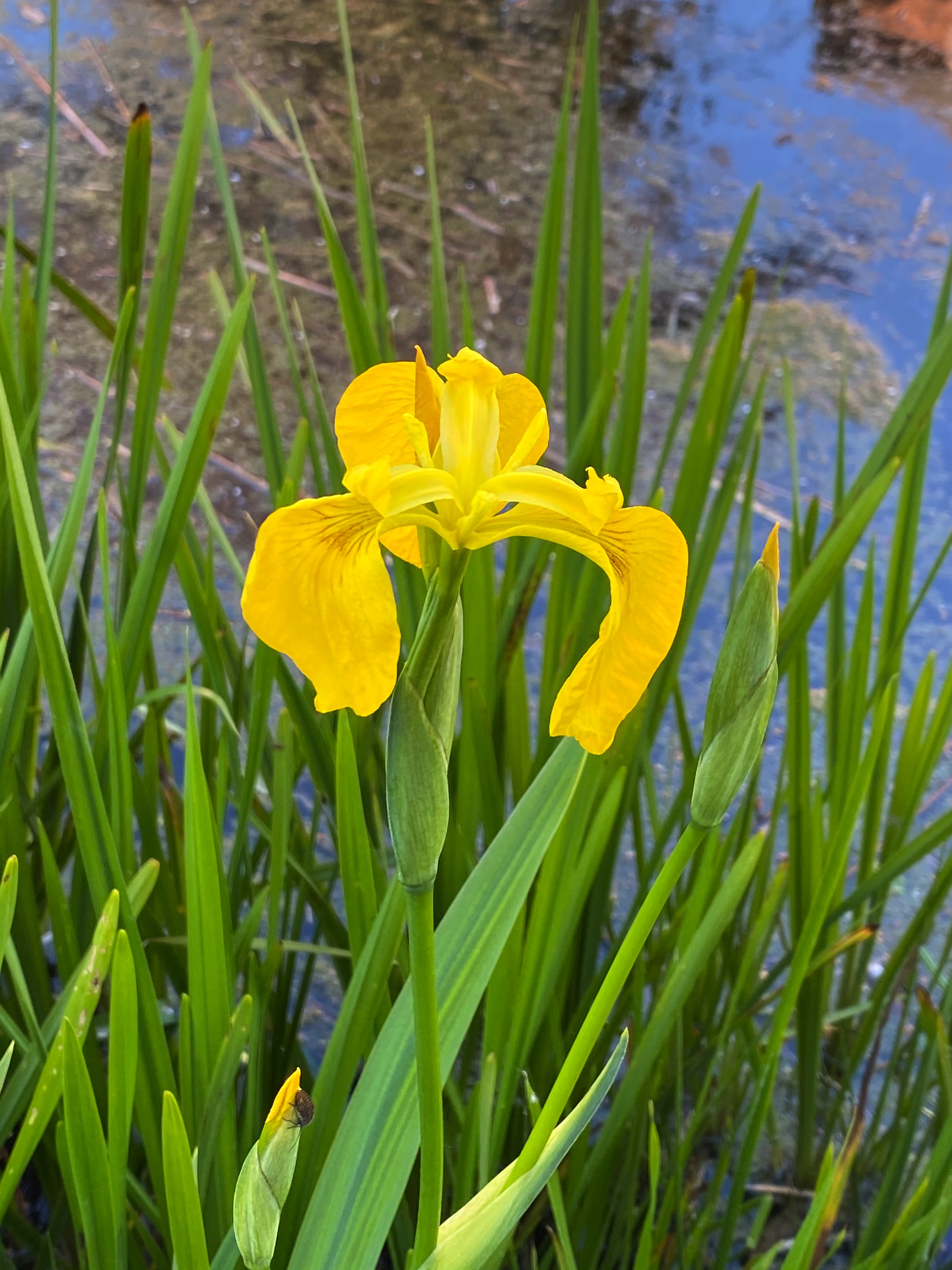
May 21st – I adore flag irises. They are lovely yellow harbingers of summer, and when they appear at the margins of the canal I know the peak of the very best of seasons is upon us.

Unfortunately they give me appalling hay fever and consequent sneezing fits.

I tolerate them though, as you cannot avoid the waterways when everything is just so beautiful.

So if you see a cyclist with streaming eyes, sneezing his head off and cursing profusely, it could well be me enduring my love for flag irises…

This journal is moving home. Find out more by clicking here.

from Tumblr https://ift.tt/2AfnIVf
via IFTTT

#365daysofbiking Make a wish

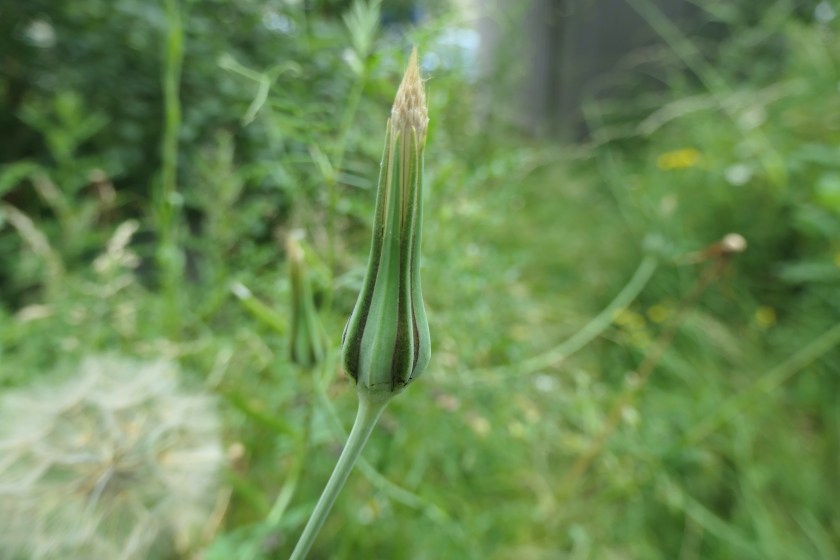
July 10th – By the cycleway in Telford, I found this lovely seed head. It takes a jolly good breath to blow the seeds off these!

Not a dandelion – far too large, at least a couple of inches in diameter, with big, stout wind-borne seeds. The plant itself was a good couple of feet tall.

Following enquiries on social media it turns out to be salsify, or goat’s beard, a plant once prized for it’s edible root.

I can’t say i’ve ever noticed the flowers, though. I must look harder now I know what to spot.

This journal is moving home. Find out more by clicking here.

from Tumblr https://ift.tt/2XJ2ppJ
via IFTTT

June 18th – for the second time in 12 months, Green Lane has been closed so sewage tankers can relive backed up sewers due to a pip collapse near the Clayhanger Sewage Works.

The road has been impassible to cars as drivers Marshall tankers in relays pumping out effluent and Marshall plant around.

Sadly, the impatience of some drivers was pretty unimpressive. These people have a job to do. Let them get on with it.

May 30th – A sign of the advancing season is the collection of seeds for a little guerrilla planting. Clayhanger Common has large patches of cowslips like these going to seed – the seeds are not ready yet. But when the heads dry and turn golden, I’ll be out shaking a few into a back for the precious black seeds within, which I’ll then spread to other areas that might benefit from a bit of cowslip love.

That’s how most of these delightful yellow flowers got onto Clayhanger Common in the first place…

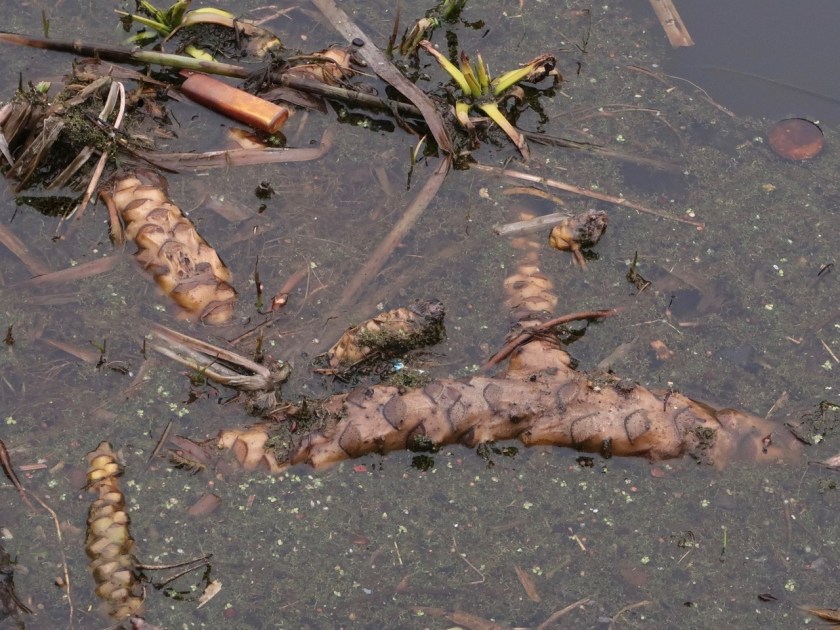
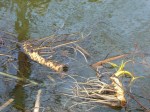
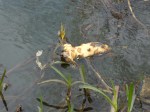
April 10th – This looks like some pretty revolting flotsam and jetsam, but it’s actually an important and encouraging sign of spring.

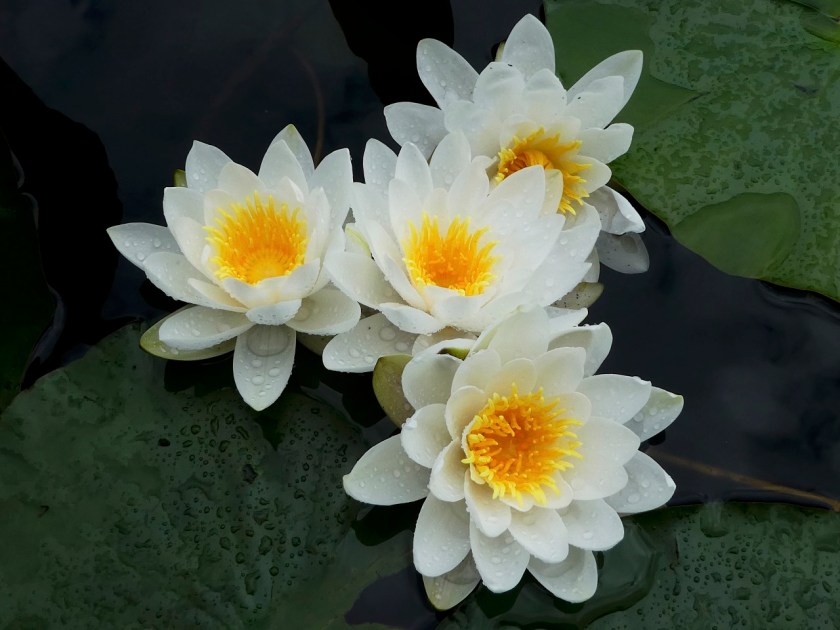
These knobbly, odd looking root growths are the rhizomes of the water lilies so common here on the local canals in high summer, and this is the first stage of their… seasonal deployment.

When the season ends, water lilies decay, and the stalk and root mass they grow from sinks to the canal bottom where the excess growth rots off and the stalks over winter in the mud where the water stays warmer, fragmenting as they do so.

When the waters warm in spring, renewed cell growth in the fragmented stocks gives buoyancy once more and they rise to the surface, moving freely in the wind currents and boat wash. 

In time, new growth will sprout and they anchor, growing the familiar leaves and flowers we know so well.

It’s a wonderful, and very successful natural mechanism, and a sign of an oncoming summer…

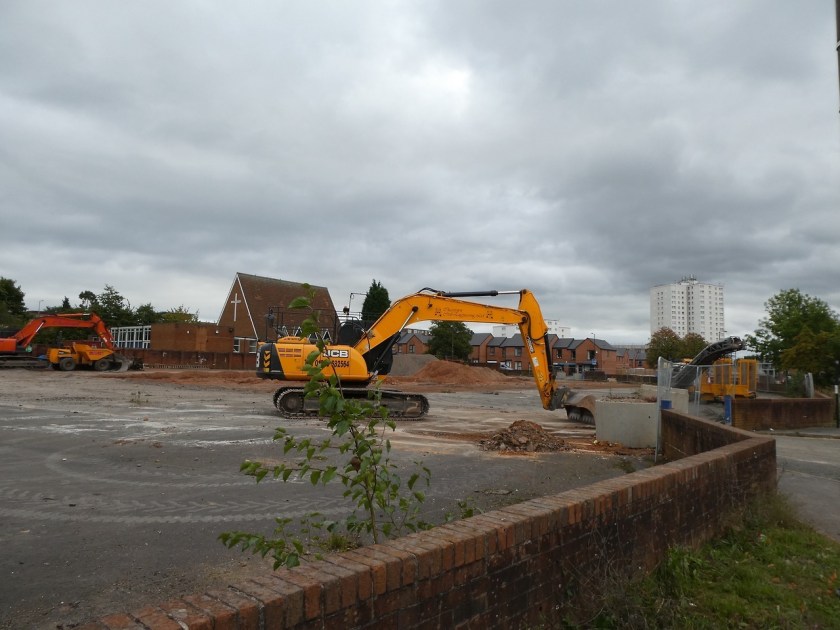
September 4th – Returning to Brownhills in the evening, I was pleased to note that the development of new housing seems to have finally started on the site of the old market place off Silver Street, with earthmoving plant commencing operations.

Realistically, we have no chance of ever getting the market back, and the space it occupied has lain idle for five years or more. It’s open, sad and dispiriting and the houses being built here will be a great improvement, and will also mean an end to the serial occupation of the site by travellers.

A good thing, a long time coming.

July 1st – Out and about for a ride to Elford and Croxall, I spotted that the Himalayan balsam was now in flower in many places.

An absolutely beautiful flower, but it smells metallic and unpleasant, and is an invasive species brought here by the Victorians. It now densely populates riverbanks, brooks and any damp ground, growing to a meter or two high and shading out anything beneath it.

A real, but beautiful problem.

March 23rd – A mystery that’s been puzzling me for a long time has been solved.

This time of year, I always note floating roots in the canal, often sprouting foliage. I had thought they were the way reedmace spreads, but discovered this was incorrect last year, so they remained a mystery.

Thanks to someone I work with (thanks, Dagmar) I now know these are the way a water plant spreads, but not rushes or reeds, but water lilies.

These roots are water lily rhizomes, from which the clumps of the delightful summer flowers spout. I never realised that under the water, they were linked in clumps.

Isn’t nature wonderful?