#365daysofbiking Hello, petal

April 2nd – In these difficult and very strange times, I’m finding solace and joy in small things.

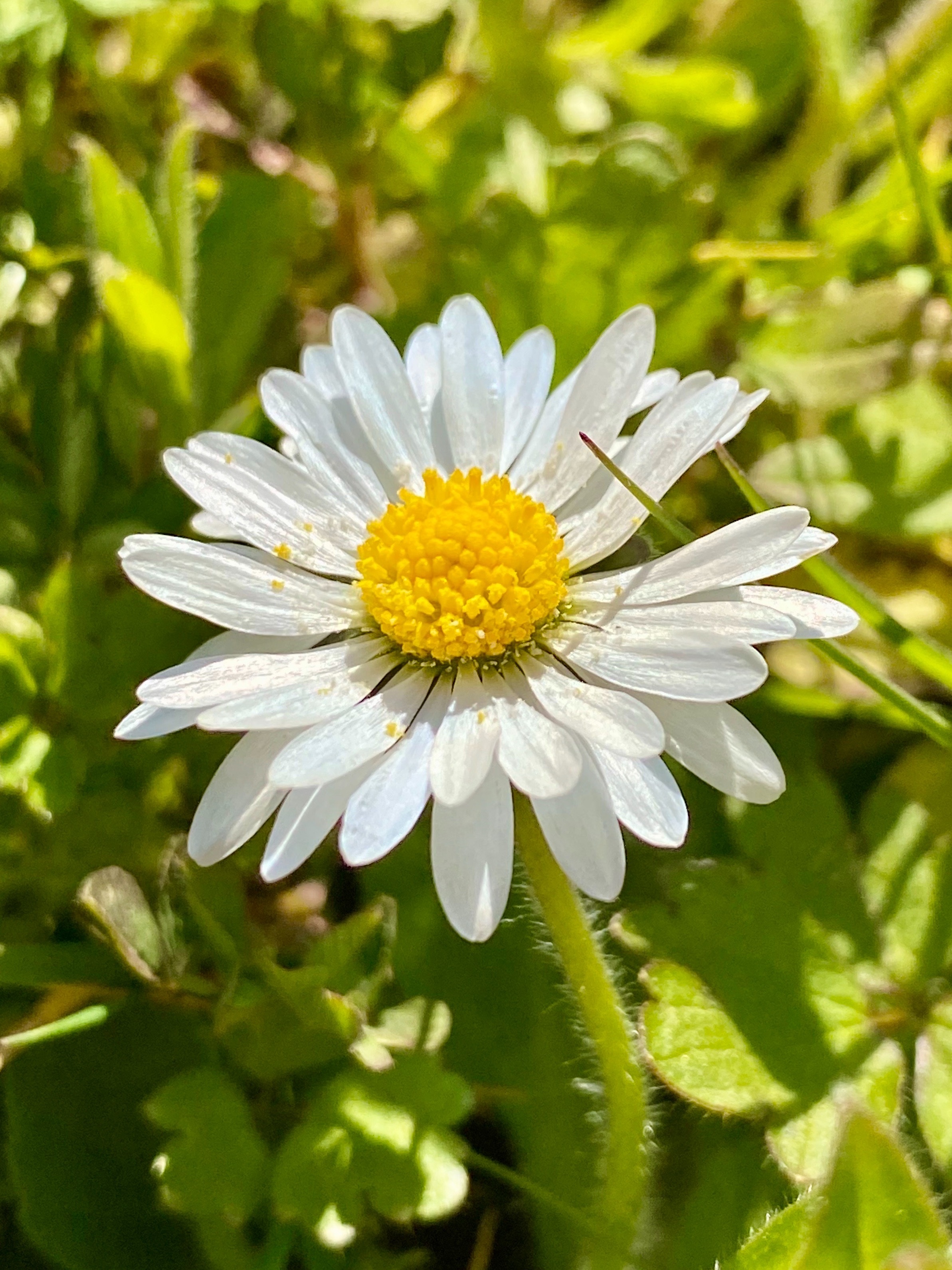
On a sunny morning, what can be nicer than the perfect, but very naturally dishevelled beauty of the common daisy, shedding pollen on to it’s perfect white tissue paper petals?

I think I’m starting to return to basic things again.

This journal is moving home. Find out more by clicking here

from Tumblr https://ift.tt/34NSMGe
via IFTTT
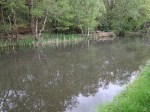
May 11th – A dull day without much to commend it, and a rather nagging wind. Coming back through Brownhills along the canal in the evening, I noticed in the very beginnings of a rain shower that the canal was developing one of it’s periodic organic scums – this time it looks like a mixture of willow fluff and may blossom petals.

This comes also at a time when many junctions, bends and winding holes are also covered with floating, dead reed stakes and leaves, making the canal as a whole look pretty untidy.

It’s nothing to worry about though; such detritus will disappear as quickly as it came, as it does every year. It’s just curious while it lasts

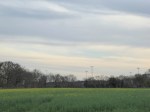
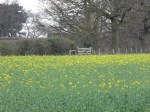
April 1st – This day last year, I was cycling past 4ft drifts of snow in Bardy Lane, Upper Longdon, and the weather was wet and cold indeed. Today was very warm and mostly sunny, and at Grange Farm at High Heath, the early oilseed rape is just about to come out in a riot of scent and colour.

I love this crop; vivid yellow, smelling like Emmental cheese, it sets the countryside alight with vibrant yellow. Frequently and unfairly blamed for hay fever, the sticky pollen of this plant is way too heavy and course to be wind-borne. A member of the brassica family, it’s closely related to mustard and cabbage, and will provide a boon for bees and bugs as it blooms.

And as it does, I feel the season advancing a little further…

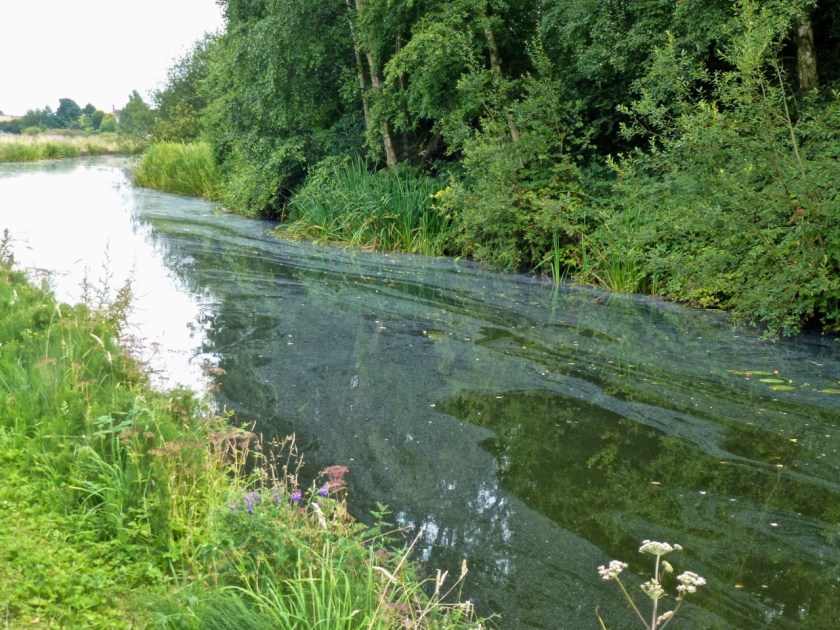
August 1st – The canal looks odd at the moment. This phenomena occurs two or three times a year, and people often comment mistakenly believing this film to be pollution of some sort. In this case, it’s fibrous matter shed from nearby plants, but can be anything from airborne pollen to seeds. In areas of high boat traffic, it often gives the water a swirly, stripy appearance.