#365daysofbiking Abridged

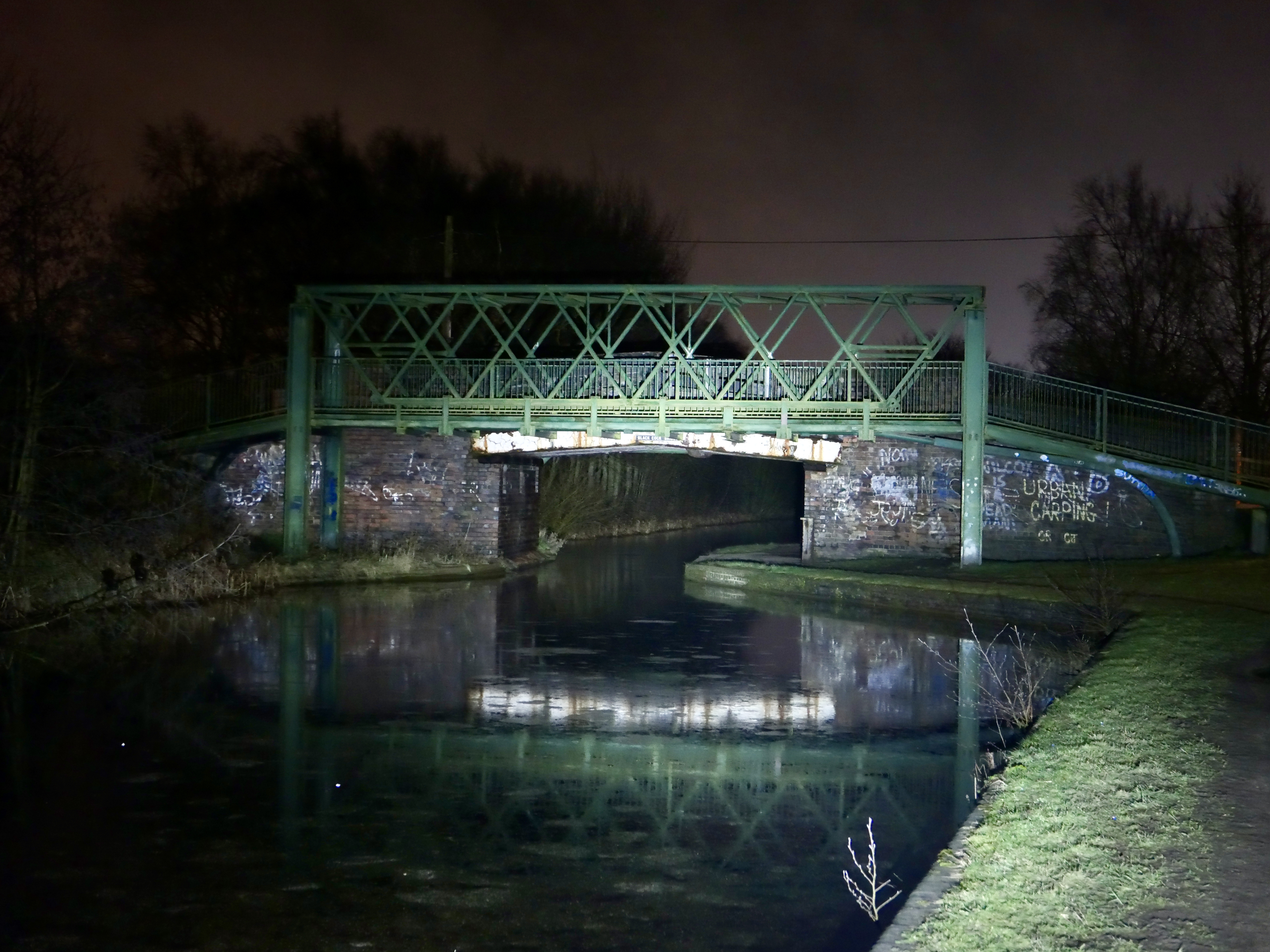
Friday January 15th 2021 – Just hopping on the canal on the way home from work, I turned to look behind me at the bridge whose challenging climb I was avoiding by taking the towpath of the canal it crosses.

The Black Cock bridge – comedically named after the nearby pub – has suffered subsidence in the early part of its current incarnation and is still monitored closely for cracks and fissures. It’s approaches are now dangerously steep, and a later footbridge has been added alongside to accommodate pedestrians.

I don’t think in it’s current form this sore abused, but not yet dead bridge will survive long now. I suspect it’s fate may be similar to Hollanders Bridge further up the Line in Walsall Wood – renovated in the 80s with a lightweight metal deck and blocked to vehicular traffic.

It’s a fascinating bridge with a remarkable history, it really is.

from Tumblr https://ift.tt/39HG66F
via IFTTT


#365daysofbiking That sinking feeling:

December 13th – Struggling up the Black Cock Bridge due to tiredness and another late night at work, my phone rang and I stopped to answer by the junction with Hall Lane.

This little, discrete hamlet was years ago called Bullings Heath and sitting in the lee of the bridge flank, there are many legends about the subsidence here caused by minewovrkings below.

Whilst there was sinking, it wasn’t a bad as purported, and these things generally never are, but legends persist and they suggest the houses on the left were once level with the canal.

Tonight, Bullings Heath nestled in the darkness, and was keeping it’s secrets to itself, and looking for all the world like a somnambulant, rural hamlet.

A historic conundrum.

This journal is moving home. Please find out more by clicking here.

from Tumblr https://ift.tt/2UGr0Gq
via IFTTT

April 5th – At Chasewater, a sinkhole has opened up in the car park, yards from the M6 Toll. Possibly an old shallow bell pit, it could just the same be an old drain or other cavity.

Site notices say experts from the Coal Authority are looking into it. As they do.

Never, ever trust the ground beneath your feet.

January 13th – it was a hectic, draining day. I had a meeting in Brownhills, then had to got to the doctor, then on to work. My infection has returned and my stomach was bad again, ever since finishing the antibiotics. It was about 11:30am as I cycled to work in Darlaston. Heading through Walsall town centre for a change, I passed this pair of Victorian semis that used to be neighbours of the now demolished Mellish Road Church. They’re actually very interesting, as they were just saved from demolition – the subsidence that caused the closing of the church affected them, too; but better construction and less weight helped them survive. They’re a very good illustration of the effects of subsidence – in this case caused by limestone caverns – as outwardly, they look straight, but when studied, there isn’t a single true line anywhere on them. A testament to the tolerance of Victorian building techniques.

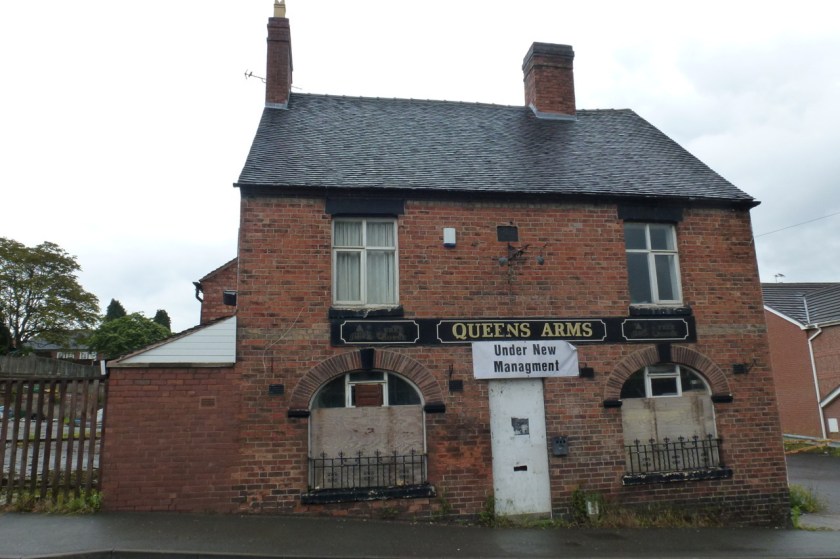
May 30th – As the weather broke, and the rain began to ease, I headed out for Cannock Chase. Crossing the common, then up through Norton, Heath hayes and Hednesford, I stopped to note this poor, unloved old pub. For students of mining subsidence, this is quite a good one, and there are’t many straight edges to the building. 

Another victim of corrosive social change.