#365daysofbiking Back in the city

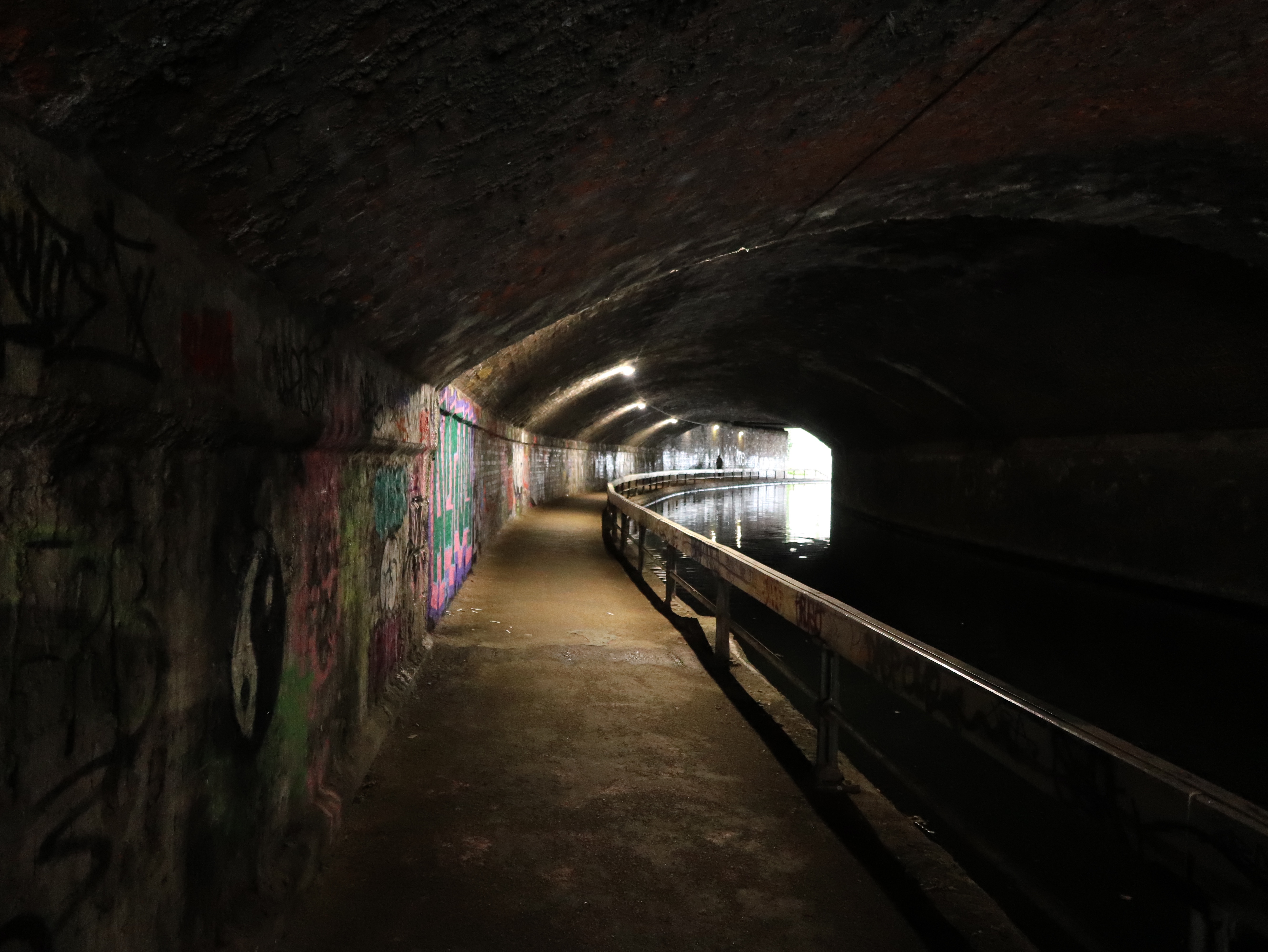
March 2nd – After the bike jumble, the traditional ride into Birmingham on the canal for tea, cake and to marvel at the the art and history.

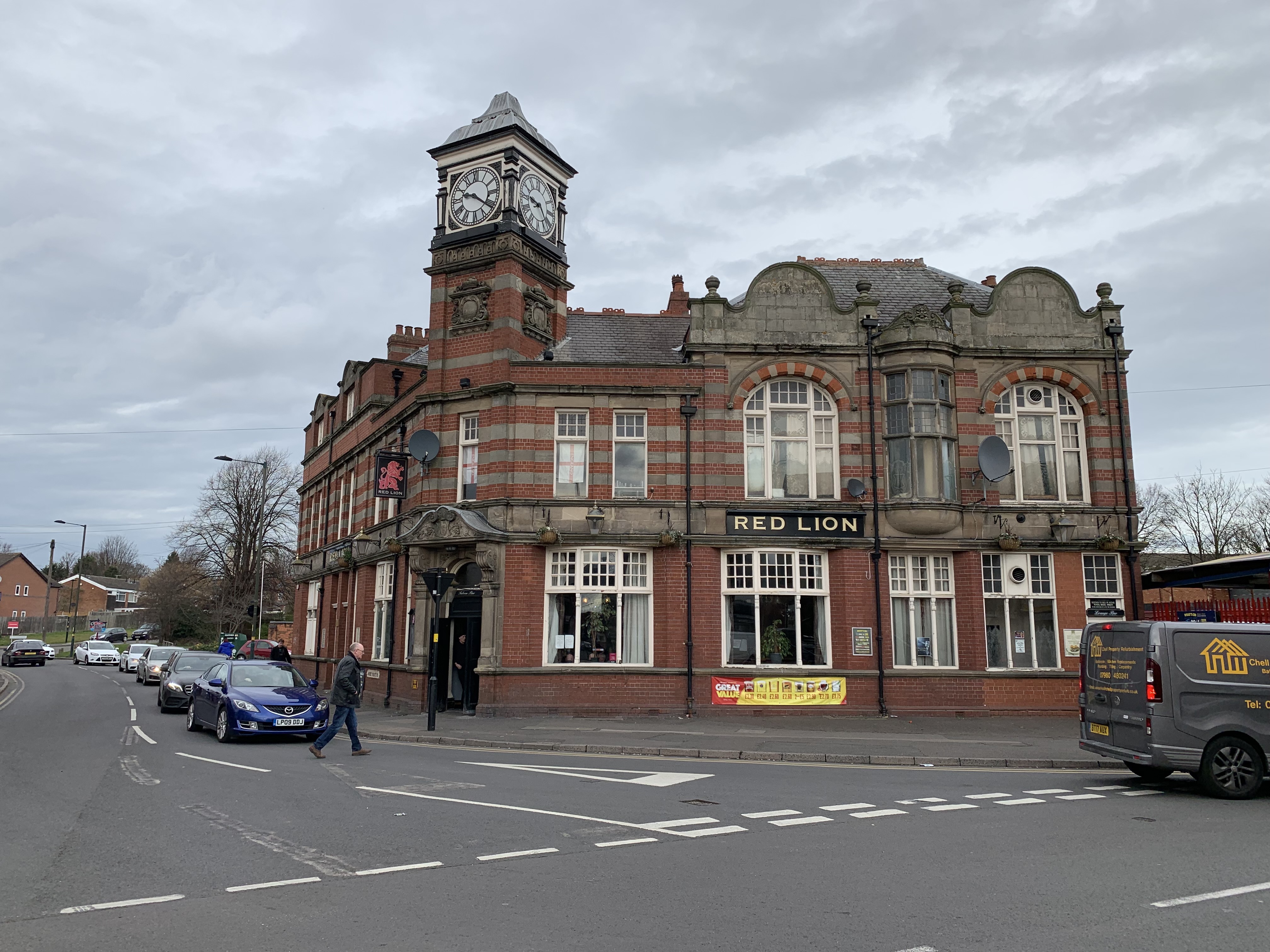
The towpath quality has improved vastly since last year, the architecture, including the wonderful view of St. Chad’s Cathedral, newly liberated by the demolition of the insulation factory, was stunning near Snow Hill. And oh, the faded grandeur of those imperious Birmingham pubs.

Pleased to see Bill Drummond has a new message for Birmingham, and the lovely calm of Brookvale Park and Witton Lakes was as wonderful as ever.

I returned a way I haven’t been for quite a few years – up the canal through Tyburn and Minworth to Middleton. Formerly the towpath through Minworth was dreadful in the winter, but now the bad stretch is limited to about a mile or so, and is ridable on a decently stout bike.

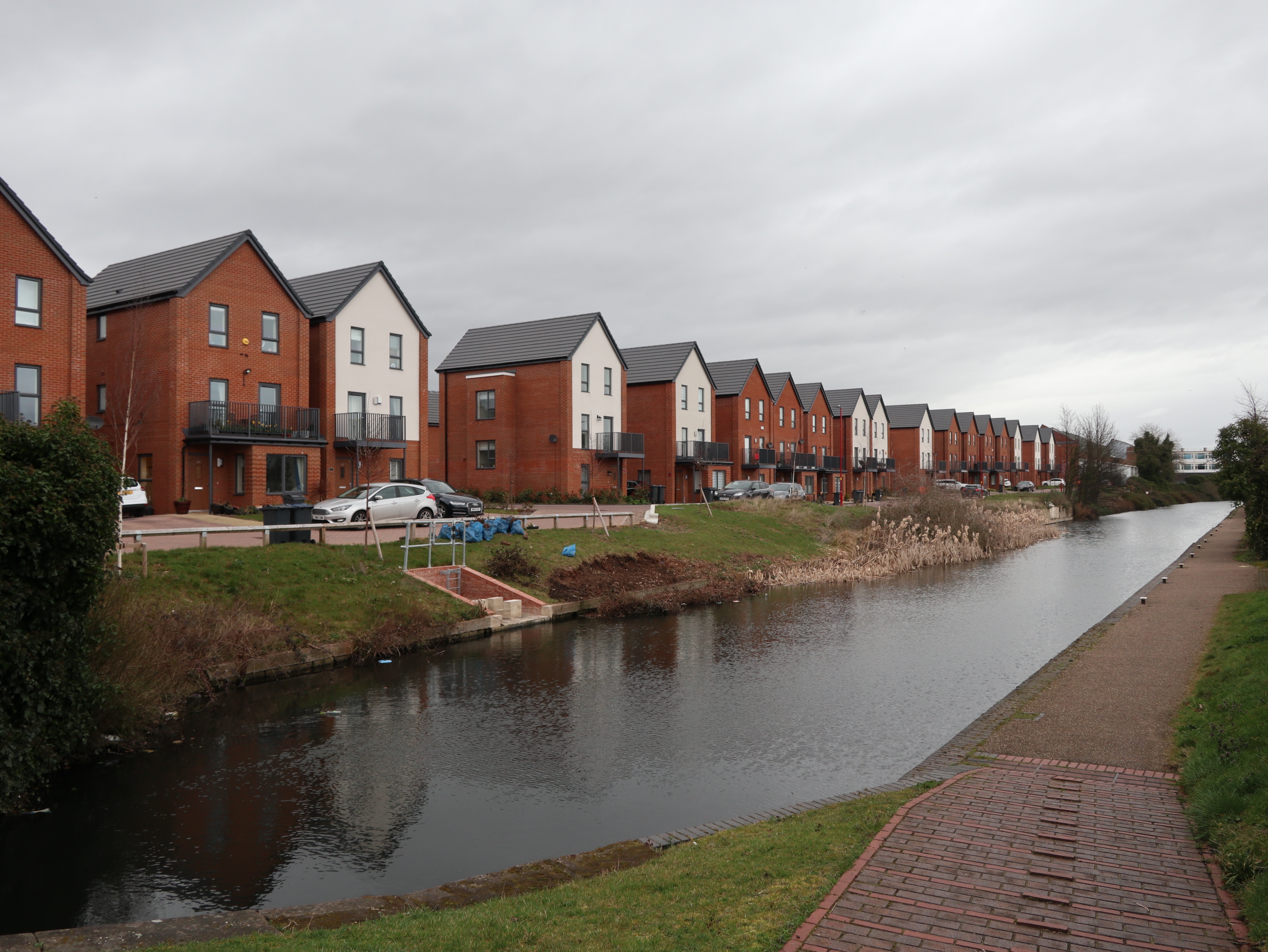
One shock though: The formerly monolithic and impressive Cincinnati works – empty and subject of great development promises by Urban Splash – has gone, including it’s iconic entry bridge over the canal. It’s now a perfectly decent but dull housing estate, so the Urban Splash dream was hot air. The bridge has gone Now only dull units remain to the east to say this huge factory ever existed.

Sad.

This journal is moving home. Please find out more by clicking here.

from Tumblr https://ift.tt/2Hi7jQZ
via IFTTT
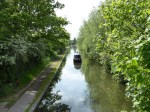
May 30th – I spent the morning at work, then late afternoon, cycled into Birmingham to meet with a couple of colleagues. I headed down to the canal at Tyburn for a decent run, and followed the canal into central Birmingham.

One of the little-known features of canals that helped keep them open for years after their commercial value declined was the fact that under their embankments and towpaths, utilities found a direct route through cities for their pipelines and cables. By laying services alongside the waterways, many of the issues with traffic and complexity of installation could be avoided.

Along the canals here in Birmingham run gas, high voltage electricity, fibre optic telecommunications links, and petrochemical fuel pipelines. The keen-eyed explorer can often spot the evidence on the surface in the form of markers, bulkheads, valve access chambers and other infrastructure.

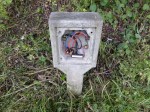
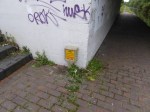
These small, concrete gas pipeline markers indicate a high pressure gas pipeline runs below, but also serve another purpose, as can be seen in this example which has had the cover prised off. The pipeline is metal, and to prevent corrosion, a system of cathodic protection is applied; a low voltage DC supply is connected between the pipe and electrodes – called anodes – in the ground nearby. The flow of current between the anodes and the pipe means that the anodes corrode sacrificially instead of the metal they’re protecting.

A similar system is being fitted to metalwork in the supports of Spaghetti Junction to protect it from water damage.

The markers – about 50m apart along the towpath – house junction boxes for the protection wiring and test points, and contain a magnetically operated switch for test purposes. Large brass studs in the side allow connection of test equipment. 

You can find out about cathodic protection here.

May15th – I finished up early, had something to eat and then returned to Birmingham on the Snow Hill line. I used to trave that service a lot, but for five years now I’ve barely troubled it. Many of the landmarks from the line I knew have gone, or changed. 

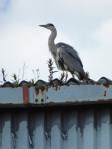
When I got to Brum, it was too nice to hop on another train, so I dropped onto the canal, and rode home through Bordesley, under Spaghetti Junction, over to Pipe Hayes and along the Plant’s Brook Cycleway to Sutton. From there, I rode through the park home. A great ride – Brum canals are at their best in sunshine, and even the heron was out sunning itself. The dogroses at Tyburn were beautifully scented, and the canal limpid and lazy. 

Plant’s Brook cycleway is lovely, and I shall use it more often. Even the rabbits in Sutton Park performed for the camera. 

A wonderful afternoon.