May 11th – Still in recovery downtime, I pottered out around the canals and commons to try and find the cygnets and deer. I drew a complete blank on the Watermead swans – nothing unusual there, swans possess an almost unique ability to disappear when you’re looking for them – and the dear nearly defeated me too.

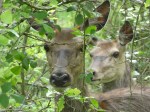
I say nearly, as we more or less bumped into each other unawares. I was poking around the scrub on the old rail line near Engine Lane looking for industrial remnants, and these two ladies were heading the other way. I’m not sure who was more surprised, me or them.

A real pick-me-up on an otherwise fruitless journey.
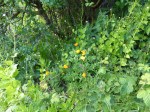
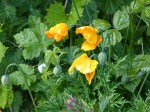
May 20th – I’m intrigued by these deep yellow poppies, which seem very, very early and somewhat unusual. They’re growing in dense undergrowth near the Black Cock Bridge in Walsall Wood, and were so bright they caught my eye as I rode past.

Are they indigenous, or garden escapees? Whatever they are, they’re beautiful.

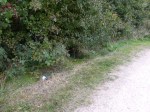
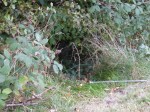
October 1st – Talking of hedgerows, there’s a feature of them – and similar thickets – that not many notice. This hole is a sign of regular use as a thoroughfare, yet it’s too small for anything human or most things canine. It’s a fox path.

Foxes have a territory which they walk most nights – it encompasses their food sources, possible mates, sources of territorial conflict and so on. They are surprisingly regular in the routes they walk, and paths through undergrowth and scrub are well worn and used. Like desire paths created by humans, they often join two places by the shortest means, but also provide a quick route of escape, or shelter for hunting forays. Fox paths appear to be passed down from parent to cub, so that many are decades – if not centuries – old. As they’re established, other animals use them, like badgers.

This one leads off the canal towpath at Clayhanger above the Big House, down an almost vertical bank for 20 feet or so, and to into their garden. It’s been here for 20 years, to my knowledge.

Wonder if Reynard will be on the beat tonight?