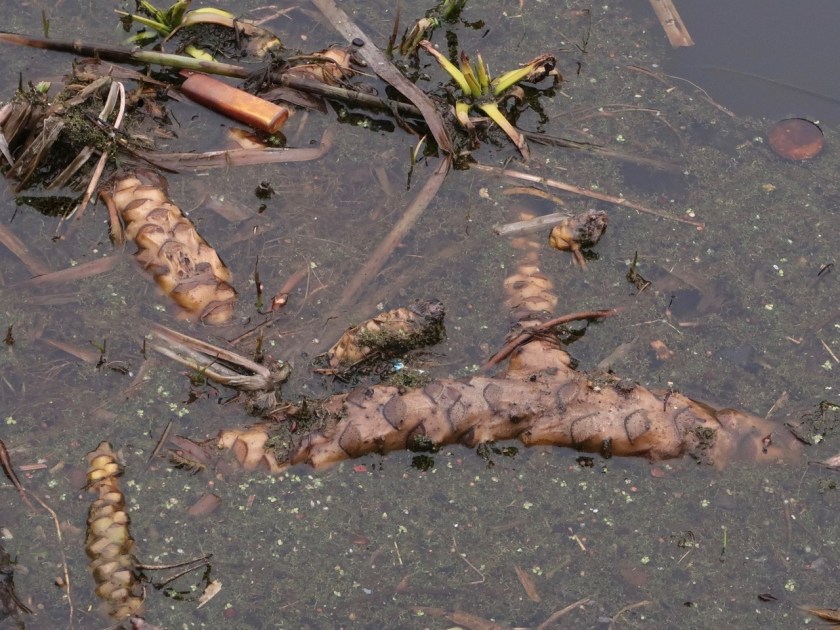
April 10th – This looks like some pretty revolting flotsam and jetsam, but it’s actually an important and encouraging sign of spring.

These knobbly, odd looking root growths are the rhizomes of the water lilies so common here on the local canals in high summer, and this is the first stage of their… seasonal deployment.

When the season ends, water lilies decay, and the stalk and root mass they grow from sinks to the canal bottom where the excess growth rots off and the stalks over winter in the mud where the water stays warmer, fragmenting as they do so.

When the waters warm in spring, renewed cell growth in the fragmented stocks gives buoyancy once more and they rise to the surface, moving freely in the wind currents and boat wash. 

In time, new growth will sprout and they anchor, growing the familiar leaves and flowers we know so well.

It’s a wonderful, and very successful natural mechanism, and a sign of an oncoming summer…

July 1st – Out and about for a ride to Elford and Croxall, I spotted that the Himalayan balsam was now in flower in many places.

An absolutely beautiful flower, but it smells metallic and unpleasant, and is an invasive species brought here by the Victorians. It now densely populates riverbanks, brooks and any damp ground, growing to a meter or two high and shading out anything beneath it.

A real, but beautiful problem.

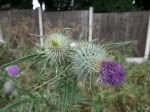
June 27th – Another beautiful weed is the thistle. There seems to be a very large variety of these spiny, prehistoric looking plants, and their strains seem endlessly complex – but whether a light mauve like these at Shire Oak Hill or a pink or deep, deep purple, they are all gorgeous and fascinating, particularly in the hostel-looking buds.

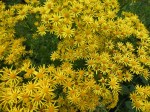
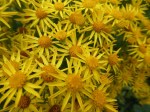
June 27th – Another grim, overcast day threatening rain but there is always brightness in a midsummer gloom – and here, it’s ragwort.

Another yellow weed that’s usually overlooked and indeed hated by horse owners, to whose animals it’s poisonous, this is actually a beautiful wayside flower that feeds bugs aplenty and keeps pollinators busy.

Many of what we would ordinarily class as weeds are very, very beautiful if we stop and look closely.

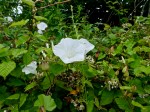
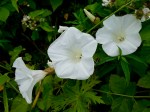
June 23rd – Always nice to see the bindweed in flower. Another plant ignored as a weed of the fringes and wastelands, this prolific member of the Convolvulus family has beautiful flowers if you take a closer look, and very nearly pure white too.

It’s common from mid summer until autumn, supports a whole range of bugs and Lepidoptera and is one of those plants our hedgerows would be very much duller without.

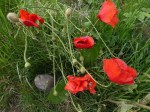
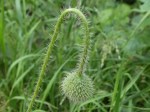
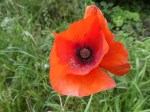
June 9th – It’s the season of poppies, and there are some beautiful examples in the hedgerows, edge lands and waysides locally. I prefer these little clubs in forgotten, neglected spaces. Ragged, at various stages of maturing and going over, these to me are real poppies; dramatic, beautiful, natural, and naturally flawed.

I even love the alien-looking buds, almost prehistoric in their furry splendour.

I spotted these in the sandy embankment just by Shire Oak Quarry on my return to Brownhills.

A true hero of the hedgerow, and a worthy and apposite symbol of Remembrance.

August 9th – Bind weed is everywhere at this time of year. With the almost pure white flowers and large leaves, this climbing plant is prodigious and often regarded as a nuisance.

That’s a shame really, as it’s another one of those plants that if it was rarer, it would be cherished. It attracts and feeds lots of bugs and bees, and is particularly beautiful.

I was fascinated in the way the one flower had been so selectively nibbled.

July 5th – One of my wildflower joys at the moment is the humble thistle. Not just for the vivd purple brush that forms the flower, but for the delightfully spiky and prehistoric looking buds this curious plant forms.

They may not be conventionally beautiful, but next time you pass a thistle, look closely. They’re amazing things.

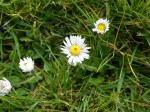
April 8th – One sight that is wonderful every year – though often overlooked – is the appearance of the daisies. Common as the grass they grow in, these little blooms of quiet perfection are fascinating when you look closely, and very under appreciated.

I felt sorry for these on the canal bank, so I captured their image to share with everyone.

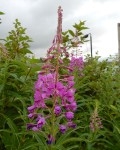
July 8th – Another tick in the arrivals list for midsummer was added today: rose bay willow herb, or old man’s beard. I had to nip into Great Bridge from Darlaston, and spotted this interesting blue-finger variant on some waste ground. It’ll be a rash of colour for a few weeks, then fill the air with floating seeds.

Apparently, the leaves make a decent tea, and once skinned, you can bake and eat the roots. It’s a fascinating plant, but one that dwells on the fringes and is sadly ignored by most folk.