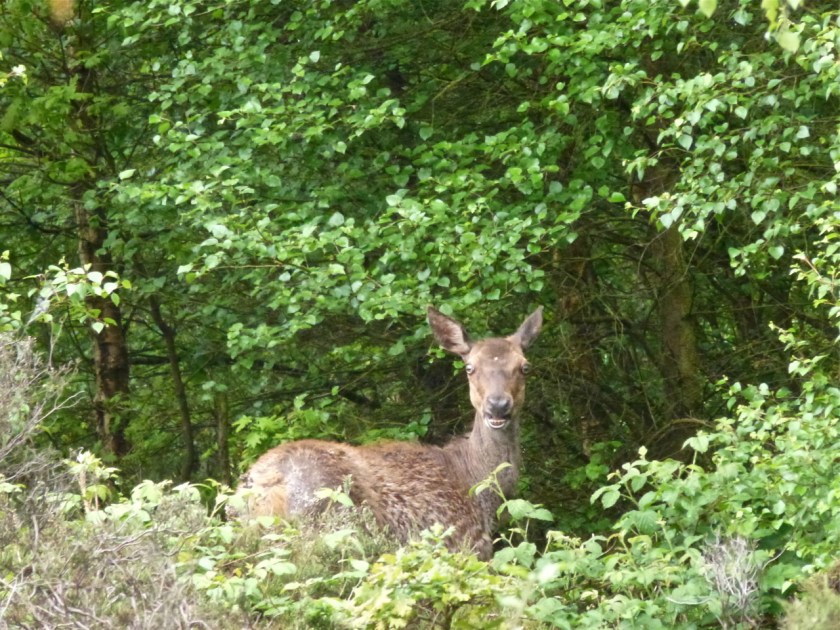
May 13th – Finally break the longstanding deer deficit. At the rear of the old Rising Sun Inn, on Brownhills common, I come upon this old doe. I scared her, actually, coming around a blind spot in the track. Clattering feet, snapping saplings, she headed for the thicket where she glared at me, my infernal bike, and chewed solidly.

She looks a bit mad, actually. Since that heron, all the wildlife I see seems to have a vague look of mental instability. Is it a sign of something?

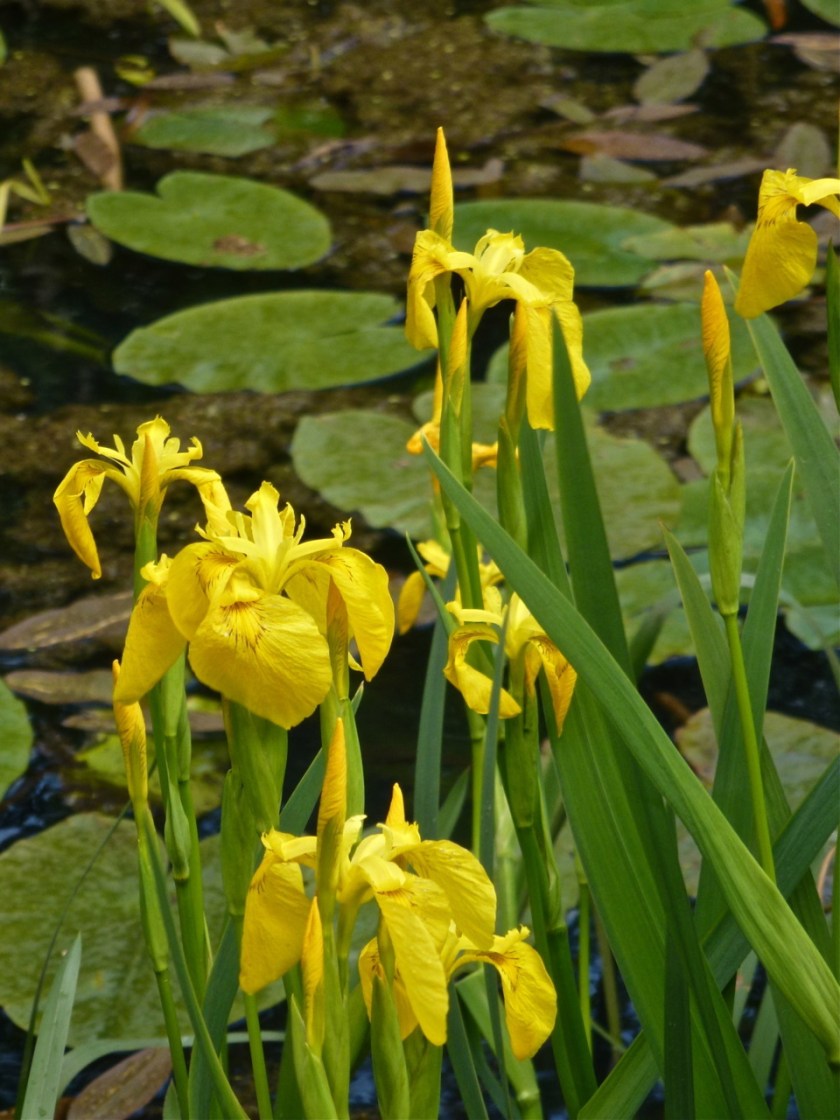
May 12th – not a half mile away, on the Canal Bank near Bentley Bridge cemetery, the rushes are in flower. These vivid yellow water blooms will continue for some weeks, complementing the colour provided by water lilies and other canal bank wildflowers such as orchids. This is the reality of urban wildlife; hidden, often unknown and strikingly beautiful. Get out there and enjoy it.

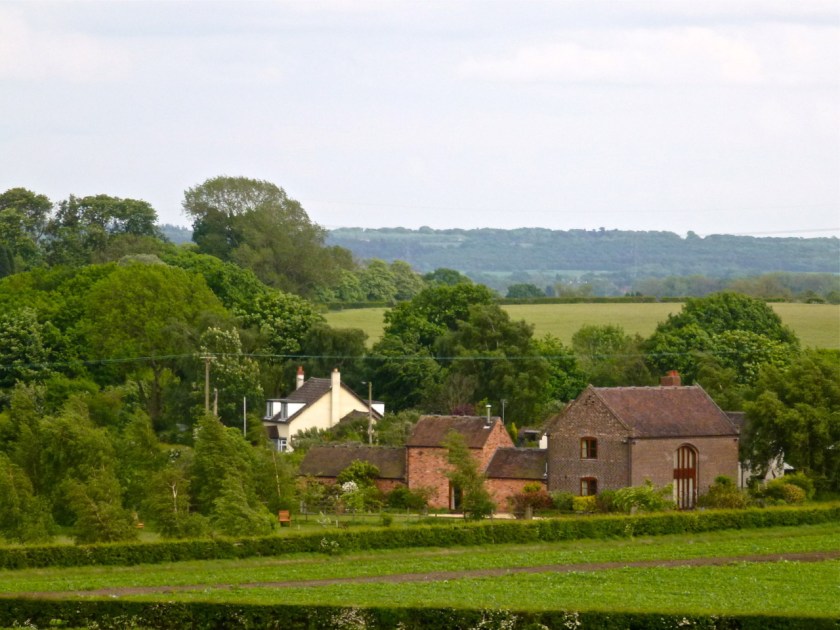
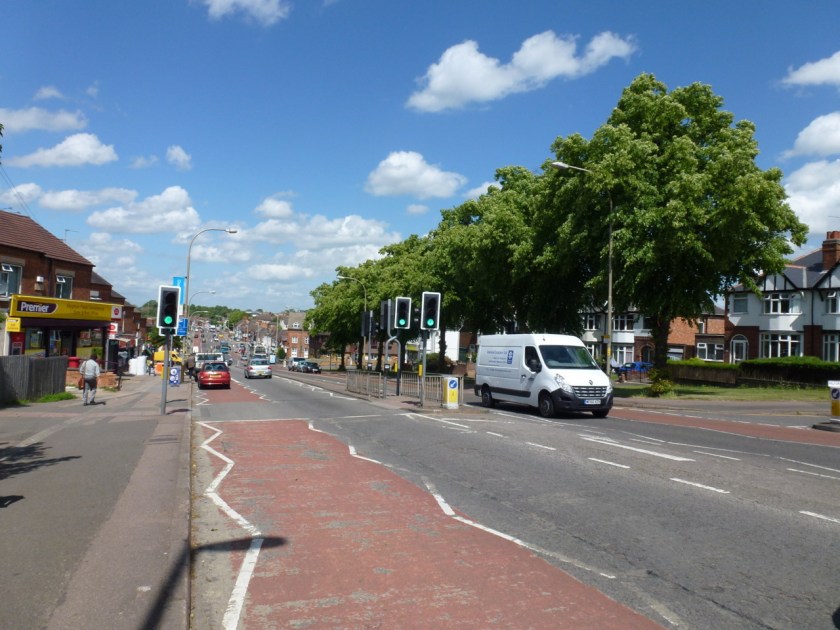
May 11th – on the way home, I took the long way and cycled up to Springhill along the quiet, leafy Whitacre Lane. Here viewed from the A461 Lichfield Road, Whitacre Farm nestles on the Stonnall side of the hill.

Sadly, it’s a farm no longer; converted into luxury homes some years ago, I remember the soft fruit farm that existed here in the eighties. The large, imposing, blue-brick barn is now a handsome house, yet as a kid, I parked my bike in there while I picked gooseberries. If I did that now, it would be in somebody’s lounge…

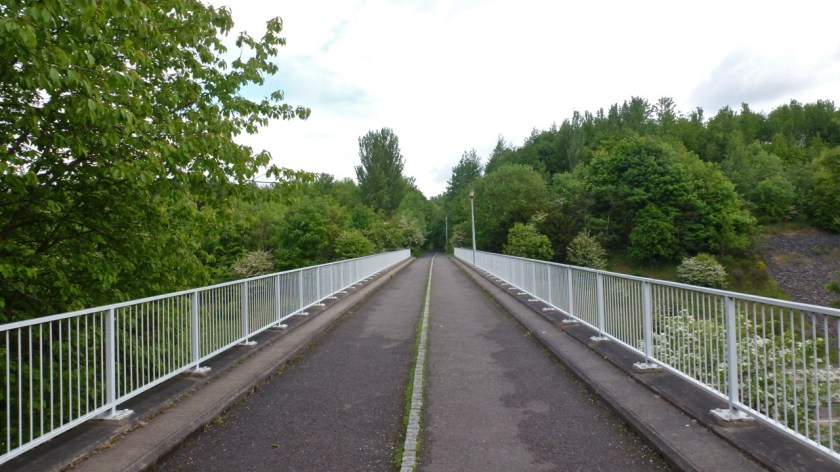
May 11th – this morning found me in Telford, early. I find the new town to be a generally unfocussed, soulless place, with no real centre. What it does have, however, is a remarkable quantity of off-road cycle paths. This one crosses the motorway to Priorslee. This network is wonderful – shame it’s almost totally unmapped and not serving a nicer place.

May 10th – Hopping on to the canal for the last leg home, I cycled past the new pond behind the big house in Clayhanger. This now wooded, verdant pool was, only 30 years ago, a spoil heap which towered above the canal bank I’m stood on, and before that a brickworks. It’s hard to conceive that such a green, wildlife rich haven could have sprung from such infertile, polluted, post industrial land.

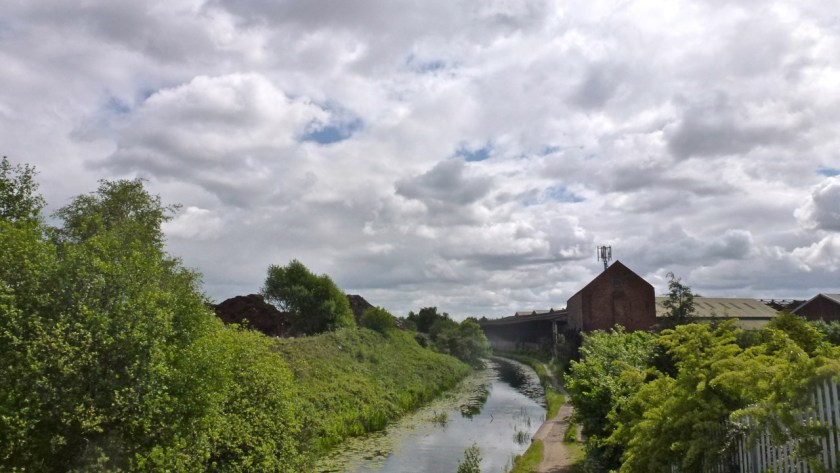
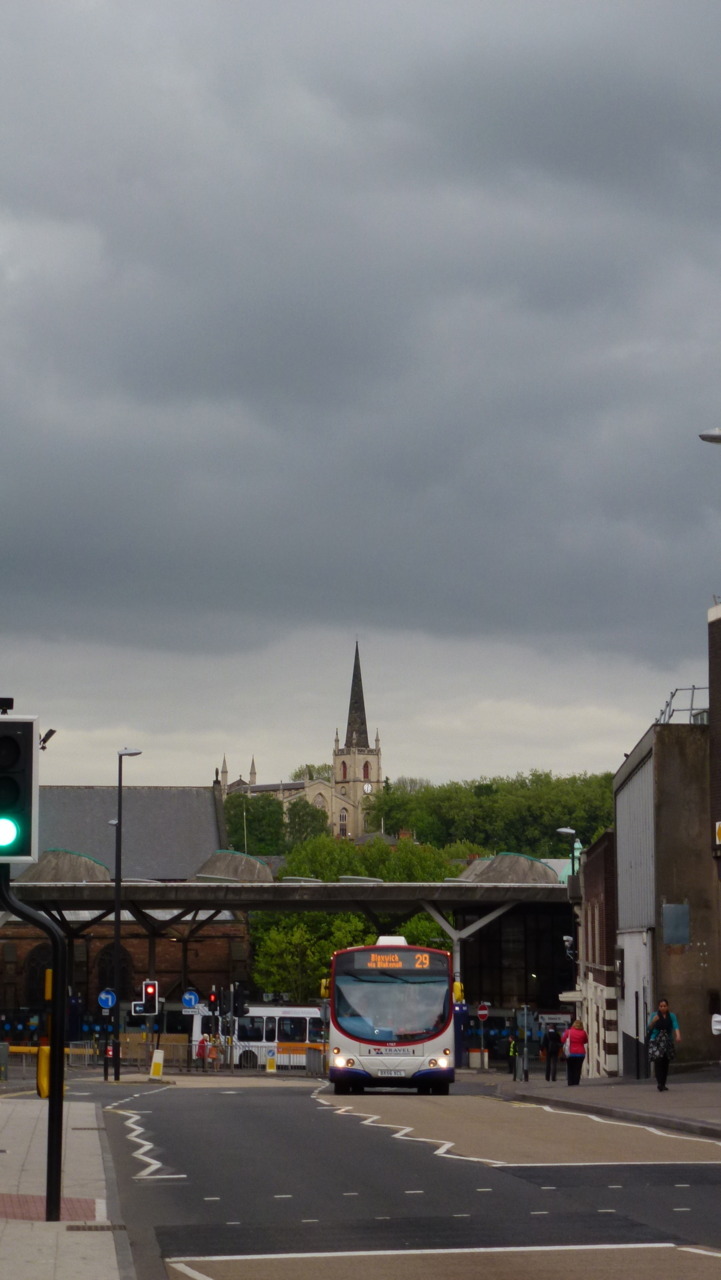
May 10th – A trip to Telford saw me return via Walsall. As the afternoon progressed, the skies darkened. It looked distinctly grim ove St. Matthews, but at least the wind was behind me. Yet again, the storm brewing never seemed to arrive. Two days I managed to avoid serious rain – somehow I know this can’t continue…

May 9th – Following a post on the Lichfield Lore blog (of which more later on The Brownhills Blog), today on my way home I visited the gazebo folly on Borrowcop Hill, Lichfield. A fascinating thing, to be sure, with good views – I was hoping to watch the impeding storm arrive. Sadly, it never came, but some nice landscape shots in the meantime.

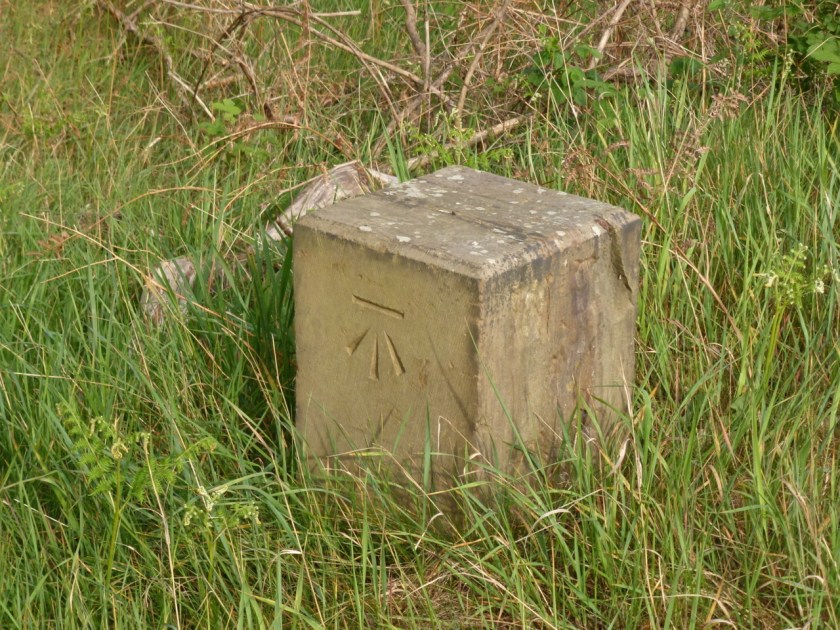
May 7th – The odd symbol on this markerstone will be familiar to many who study old buildings, but it’s purpose is not widely understood. It’s a surveyor’s benchmark, used by Ordnance Survey mapmakers. The horizontal bar at the top of the mark indicates a known, measured height above mean sea level, which the surveyor will know and can then use to reference other measurements. Benchmarks can exist anywhere, but are easily spotted on churches, bridge abutments and stone gateposts. Sometimes, as in this case by the A51 near Whittington Golf Course, a stone is placed for the purpose. These are a secondary reference to trig points. It is actually an offence to remove or obscure one.

In the days of new technology such as global positioning and satellite imagery, benchmarks are not as commonly used as they once were, but every surveyor that works for the OS is still taught to carve them. They are a tangible, visible footprint of the gorgeous heritage of British map-making that the Ordnance Survey represents.