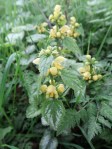
April 27th – A mystery finally solved. I first noticed this patch of what appear to be yellow dead nettles in Footherly Lane a few years ago. Every spring they return, and I don’t think I’ve ever seen them anywhere else.

This eye-catching yellow display is absolutely gorgeous and fascinated me for the delicate colour and intricacy of the flowers.

After asking online, it turns out the plant is Yellow Archangel or Lamiastrum galeobdolon and indeed is of the same family as the dead nettle, and a staple of our ancient woodlands.

What on earth did we do before being able to use the collective hive mind of the internet for plant identification?

April 27th – I had to pop into Lichfield on my way home, and took the opportunity to nip to Waitrose for a bit of posh shopping.

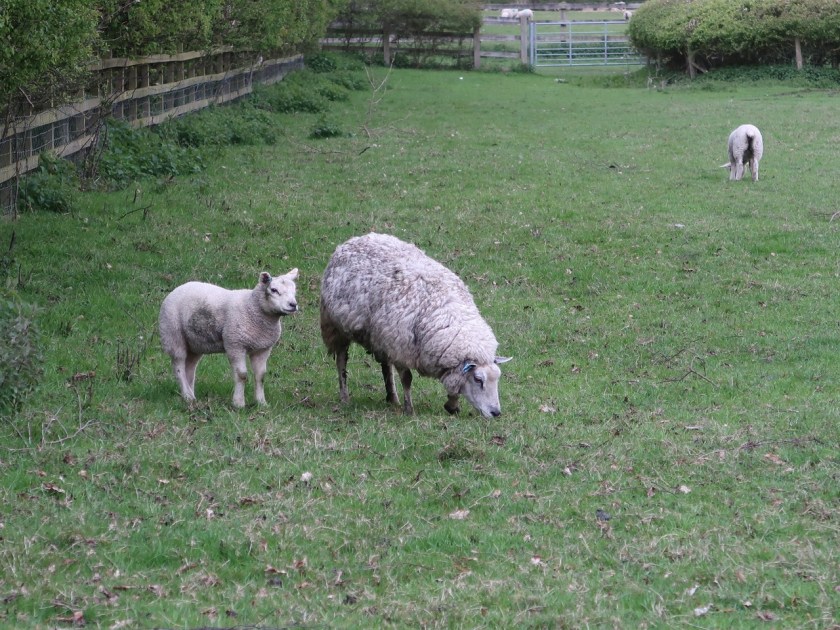
In the fields surrounding the bypass and store, to the south of the Darwin Park estate, the fields are full of healthy, plump spring lambs and their mothers.

On a dull Friday afternoon they made for a lovely sight.

April 26th – Clayhanger Common,early morning, not long after dawn.

Yellow army I surreptitiously helped establish here is massing around the grassland. Standing proud, in defiance of the land’s former history as a rubbish tip.

These flowers are a symbol of great progress, undercover as bright yellow, beautiful spring sentries.

May their invasion recur every year without resistance being encountered.

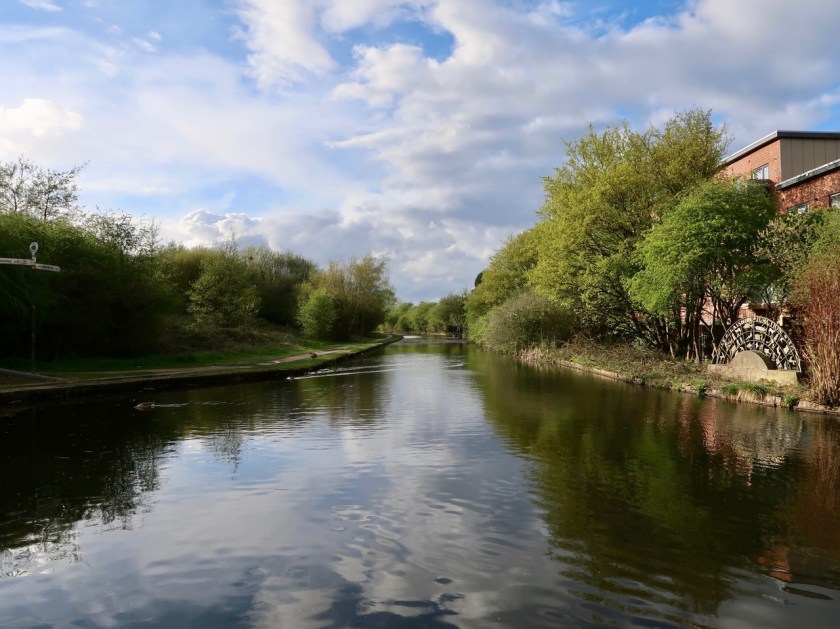
April 25th – The weather is still quite intemperate, but improving. Temperatures climbed at the weekend, then sank again, but on the whole it’s been a drier week – but windier – although the sun too has been welcome.

This improvement has meant trees are now well into the greening phase and it’s starting to look like summer is coming.

With blue skies and emerald embankments and hedgerows, the canal is looking gorgeous again.

It’s a pleasure to see.

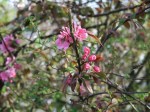
April 25th – One of the sadnesses of the season is how short lived the blossom is – it’s there, and gone in a blaze of colour, then shed petals and confetti, then… nothing. A more transient example of the season’s wheel you could not find.

At the moment, the blossom is just starting to end, but passing these two intertwined trees on the cycleway to Priorslee in Telford always fascinates me as it looks like one tree with two different colours of blossom.

I love how, even when fresh, the pink one looks like bright but tattered tissue paper.

Such a lovely, but all to quickly passing, time of year…

dry-valleys:

“This is the most interesting place in the world to a Birmingham man” Radical Joe Chamberlain, permanent resident at Key Hill.

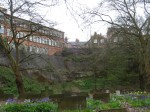
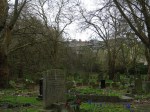
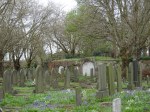
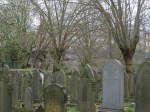
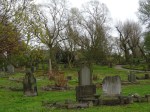
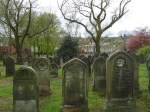
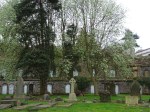
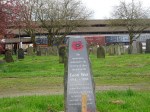
At Key Hill (1-6) and Warstone Lane(7-10), twin cemeteries and Grade II listed sites incongruously sited in the middle of the Jewellry Quarter, Birmingham.

Lack of space at traditional burial grounds in churchyards such as Saint Phil’s, and the growth in the nonconformist population who preferred to avoid Anglican cemeteries (or were forbidden to bury their dead there!) led to the establishment of the Birmingham General Cemetery in 1832, which soon became the resting place of mainly nonconformist citizens, later renamed Key Hill (1-6).

So many pioneers of industry and science are buried here that EH Manning deemed it “the Westminster Abbey of the Midlands”!

In 1848 the Anglicans realised they could no longer rely on Saint Phil’s and parish churchyards, especially in the age of cholera, and so constructed their own cemetery, very nearby, in a disused quarry at Warstone Lane (7-10).

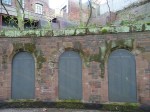
What I find most fascinating is the use of (1,2,9) catacombs; as the issue of space clearly hadn’t gone away given how small these plots are, there began the custom of burying several generations of a family in catacombs which are built into the hillside; that at Warstone is three stories high.During wartime these were used as air raid shelters and temporary homes for people whose permanent residence had been bombed.

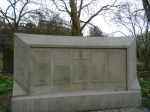
Speaking of which, there are (6,10) many war graves here; 46 at Key Hill and 64 at Warstone Lane, though these are among the last to be buried here; both are long since closed to new burials (officially closed in 1982 though both had barely been used in decades), which makes them interesting memorials of two civilisations that now seem to have more in common with each other, though they were bitter rivals at the time, than either has with 21st-century life.

They thus had little of the influx of Catholics, then Muslims, that makes a place like Handsworth (opened 1909 and still extant) so different; this, and their small space, has kept them sealed off, despite being a stone’s throw from Jewellery Quarter station. Those who are commuting there today won’t literally end up here, but might benefit from a visit to remind them that their bustling isn’t all there is to the Jewellery Quarter or to themselves!

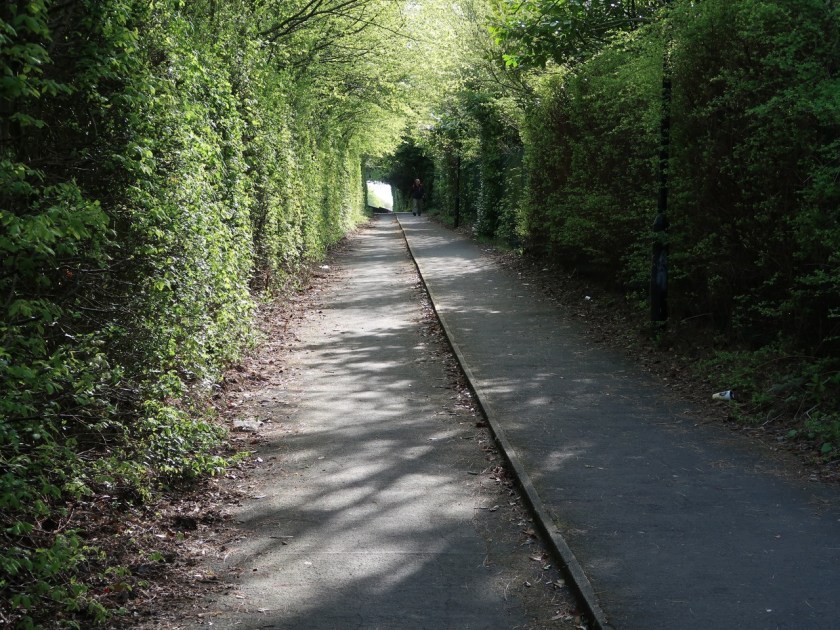
April 23rd – Later that same day, a visit to Telford saw me hauling up the cycleway to Priorslee. A few short weeks ago this view was barren and grey. 

Once more this byway is turning into a beautiful tunnel of verdant green.

I love how spring and summer can make even the most dystopian of places beautiful.