I have no idea, but it’s related to the Bond Bug, the most un-James Bond like car ever!
Author: BrownhillsBob
I told the truth - but told it bent.
Wandering around bemused and ranty since 2007.
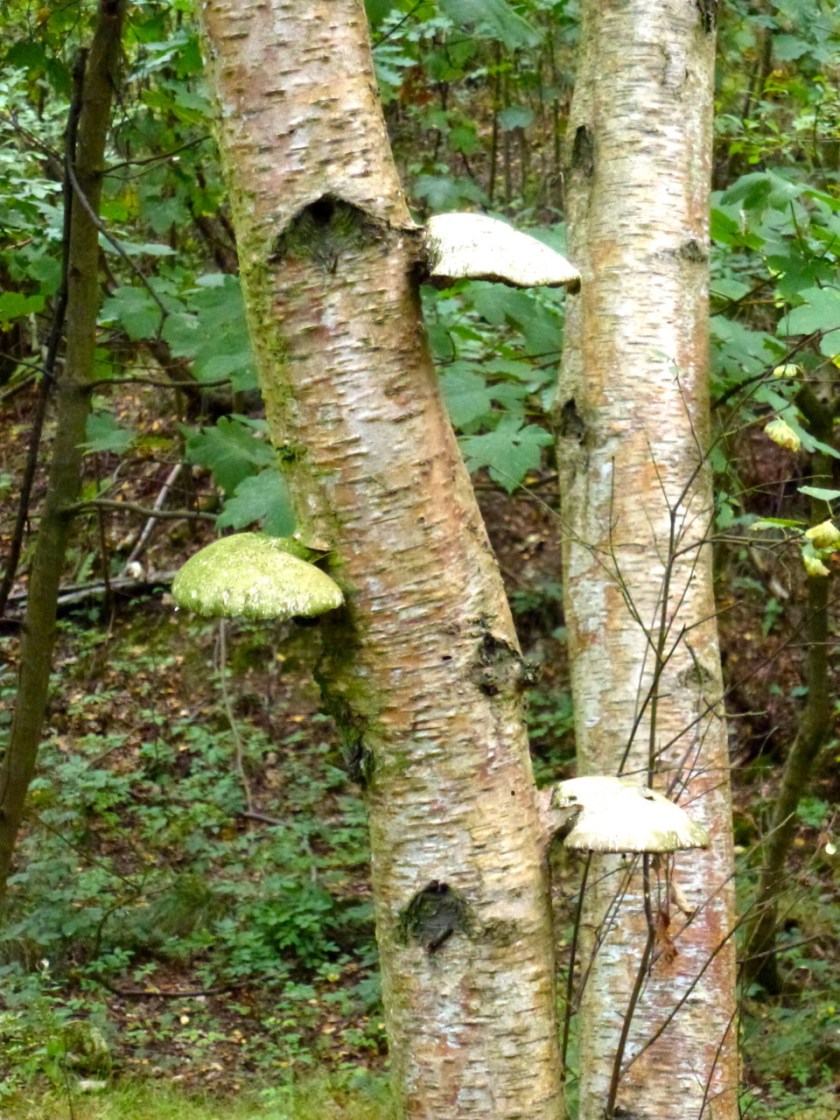
August 13th – Bracket fungus, in this case Birch Polypore, are a common sight in woodlands and scrub around the common at this time of year. They don’t seem to die as quickly as other fungi and often acquire a sheen of algae and detritus as they age. They regenerate by scattering spores from their undersides as animals and the wind come into contact with them. I think there’s three generations here.
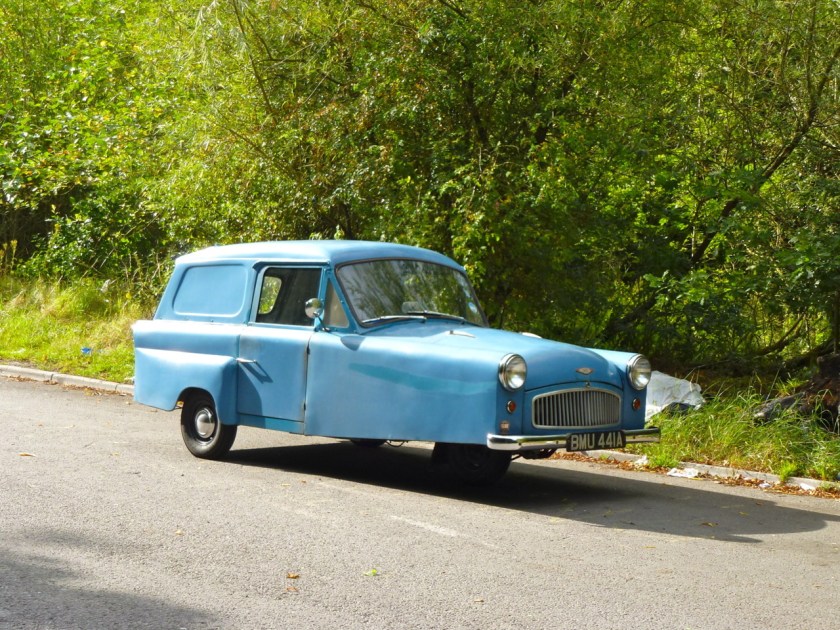
August 13th – Spotted parked in the lay-by in Engine Lane, this venerable old Reliant three-wheeler caught my eye. I’ve never been a fan of these quirky, unstable vehicles, but there was something wonderfully nostalgic about seeing this one. It must be a labour of love keeping it on the road, and require a very thick skin to drive it…
Edited shortly after posting:
Thanks to keen reader and local history whizz Julian Ward-Davies who points out that this isn’t actually a Reliant at all, but a Bond Minicar – a vehicle I’d never before been aware of. So there you go, you learn something new every day. Cheers, Julian!

August 12th – Ravens Court – named after Ravenseft, the developers – is the derelict, decaying shopping precinct that forms the focal point of Brownhills High Street. Now almost empty, we’re stuck with it until at least late 2012, when Tesco might, if they get round to it, demolish it and build a new superstore behind. Rather than integrate with the town centre, they plan to build a couple of shop units in the gap, effectively closing the High Street off to the new store.
Meanwhile, the old precinct – once a hive of business and activity – gently decays, a memorial to lost commercial horizons.
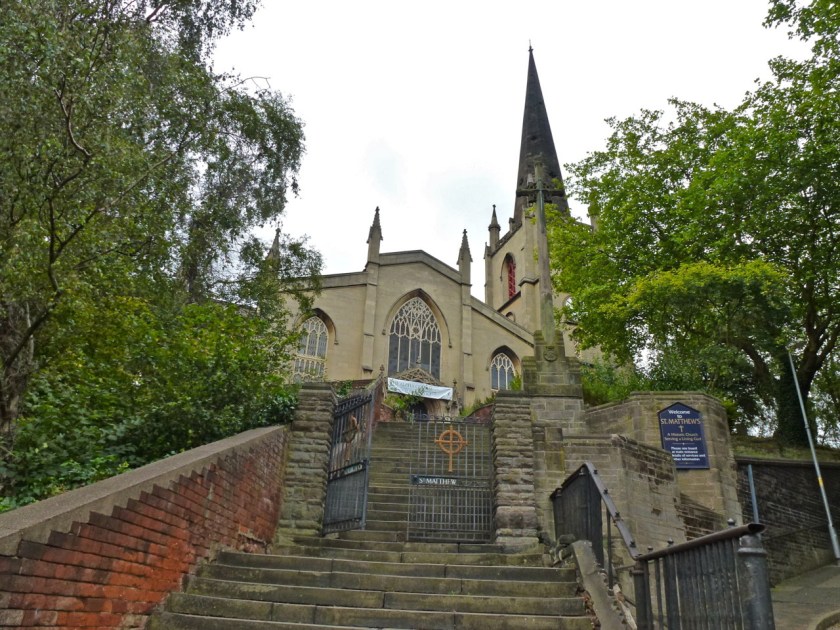
August 12th – Walsall has many surprising corners and features that surprise the unwary. Like Wednesbury, it’s central focus is a considerable hill, in Walsall’s case topped by a single, handsome church with a dramatic, imposing approach from the street below. St. Matthews itself is a gorgeous building, to which I will return, but it’s a dramatic symbol of Walsall. Soon, it’s view from the town below will be restored following the demolition of the despised Overstrand Restaurant.
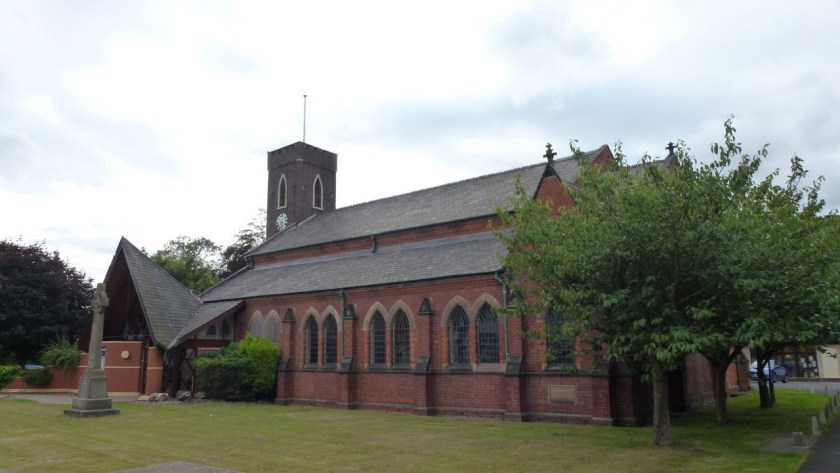
August 11th – Walsall Wood church of St. John is an imposing, typically industrial red-brick church, sadly vandalised by a thoroughly unsympathetic extension, an affliction meted out surprisingly frequently to local churches by the Lichfield Diocese, who seem to have about as much understanding of ecclesiastical aesthetics as I do of brain survey. Both Pelsall and Brownhills churches were similarly debased; it’s particularly sad in this case as the church itself has a beautiful, devotional interior and didn’t deserve this treatment.

August 11th – Thanks to The Stymaster of Pigblog fame who spotted this and tweeted it for the attention of Walsall Council. Until he posted, I was unaware that the bottom end of Queen Street by Binary Wharf had been renamed. Dictionary for town planning, I feel. Wonder how much that’ll cost to correct?
If the Express & Star are reading this, hope you get lost trying to find it…
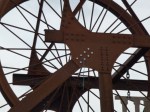
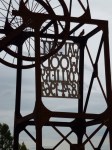
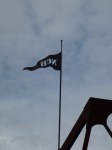
August 10th – My dislike of the Walsall Wood pithead sculpture is well known and somewhat controversial. I actually think that it’s not only aesthetically dreadful, but badly engineered and ill thought out. In the construction, there’s a random mix of stainless steel fasteners and normal ones, which stands out; looking at the frame there are multiple sets of holes that appear to have been redrilled, but this may be intentional. The sign commemorating the pit seems to face the wrong way, and cannot be read from the road, whilst the construction is topped by a pennant bearing the initials NCB, for the National Coal Board. The NCB never actually operated the pit, but oversaw it’s closure, which shows a particular ignorance of history.

August 10th – The old Beehive Pub in Hall Lane, Walsall Wood closed years ago, and has since been a foundry and is now the offices of a construction company. I’m sure I remember an old, painted sign on the side, but it now seems to have gone. It’s an interesting building architecturally, made as it is of very red terracotta bricks, once produced locally. Not so much a beautiful building as very striking.
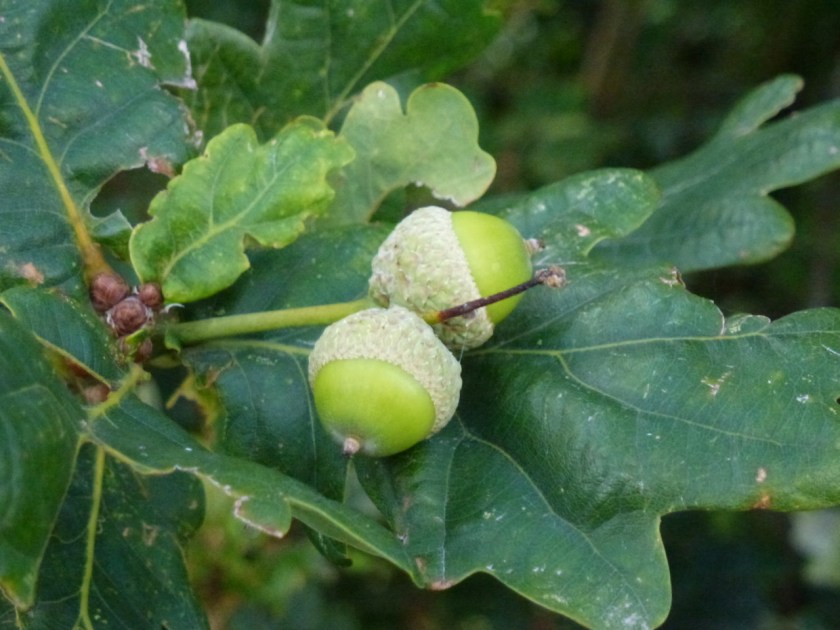
August 9th – one of the really encouraging things about the environmental enhancements that saw the reclamation of the Clayhanger refuse tip and slag heap in the early eighties is the way that trees and other flora are becoming well established where once was poisoned, polluted land. On the slopes of the canal bank between the new pool and Clayhanger Bridge there must be 20 or so young, healthy oak trees. Whether they were planted, or grew as a result of the annual guerrilla acorn scattering undertaken by myself and good mate [Howmuch?] over the years is uncertain, but now they’re growing acorns themselves. When ripe they will be collected, stored in coat pockets and cast into hedgerows and field margins as I pass by. Everyone should do this.
 BrownhillsBob's #365daysofbiking