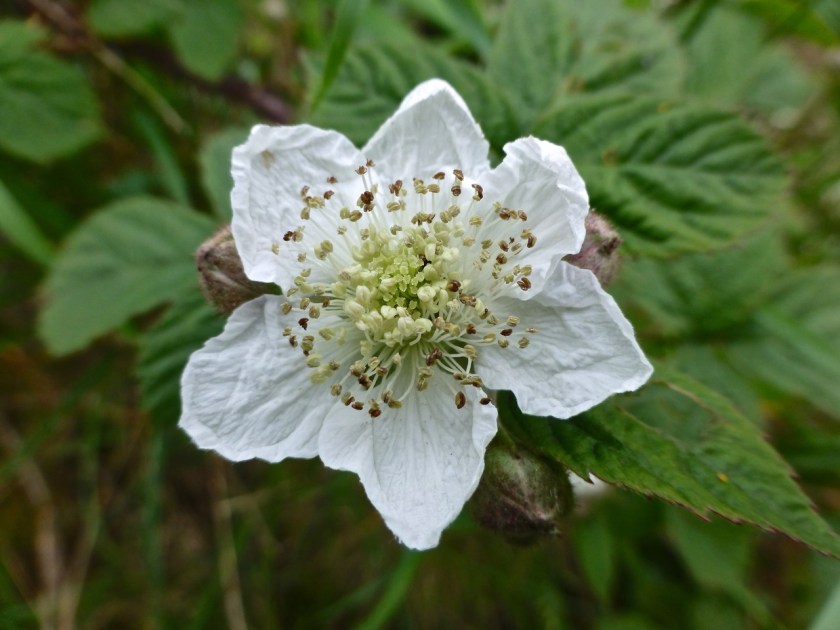
June 23rd – I braved a very windswept Brownhills Common today, and tore around it. It’s ages since I’ve been up there, and it was fun to throw the bike around the muddy tracks. The plant life is gorgeous there at the moment. So many species, just begging for your attention. This remarkably complex flower is a common bramble. I’m not sure if this is blackberry, or dewberry, and won’t be until it fruits. Brambles like this are incredibly important, as many types of butterfly and moth feed from them. So beautiful, so often overlooked.
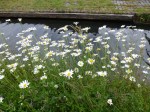
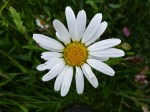
June 22nd – Moon daises are doing well this year. A relative of the more common lawn variety, and also of the ragwort from earlier in the week. The buds, if picked when young, are peppery and hot. This patch are on the canal towpath at Catshill Junction, Brownhills. I tried to get a picture from the banks of the M54 in Telfoed this week, but couldn’t get a good angle; they are carpeted with these delightful flowers. 

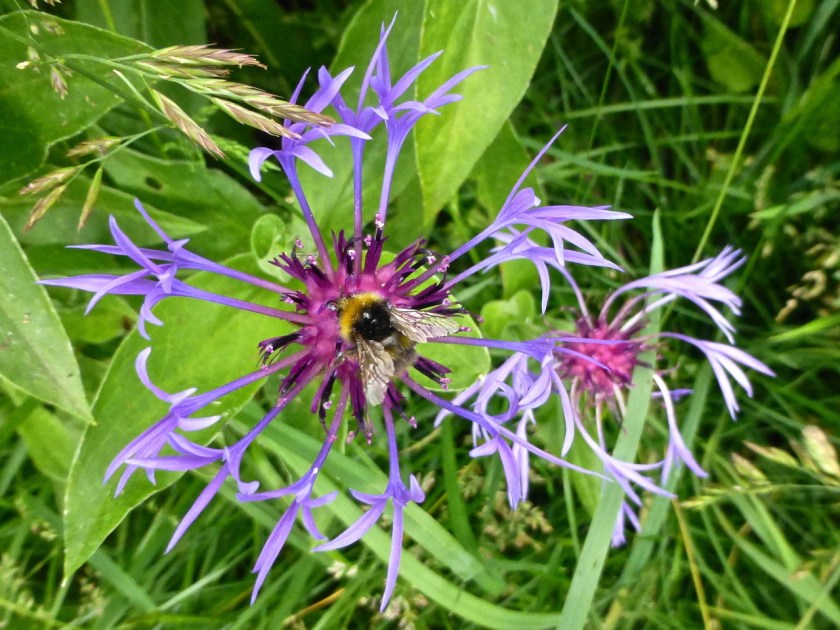
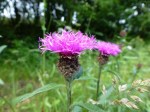
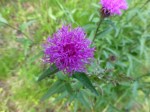
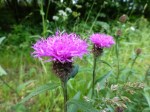
June 22nd – The flowers continue. With the wet weather, I’m concerned about the lack of pollinating insects. On a grey Friday afternoon, I cycled the towpath from Walsall Wood to Brownhills. Near Clayhanger Bridge, overlooking the marsh at the rear of the big house is the most amazing thicket of honeysuckle, lupins, elder and brambles. Mixed in are cornflowers, like this lovely example. Happily, the bees seem to be gradually getting out and about. Lets have some summer soon, eh?

June 21st – Another very common but sadly overlooked wildflower is cow parsley. Tall, with flat, creamy-white flower heads, it’s a staple of the British hedgerow – which is where I found this specimen near Stonnall. Considered edible, it has a very bitter taste, and is related to the carrot and hogweed families. Cow parsley is often confused for Hogweed, which is very toxic and can cause severe burns, so don’t pick either if you’re unsure. Cow parsley is also colloquially known as Queen Anne’s lace, and you can see why when the delicacy of the flowers are studied closely. An unsung beauty.

June 21st – It was another miserable day, but I had managed to avoid the worst of the rain. I thought I’d continue with my wildflower feature, and after yesterday’s thistles, it made me think which other flower buds were interesting. In Thorneyhurst Lane, near Lynn, I spotted this poppy bud. Poppies seem such fragile flowers, yet the buds seem almost prehistoric in nature. The hedgerow and verges here are peppered with these downy buds, and with other poppies in various stages of the flowering cycle. A beautiful flower.

June 20th – Some plants have interesting buds, as well as the blooms themselves. Amongst this set I’d venture the thistle to be king. Prickly and prolific, they aren’t yet in flower on the verges of Stonnall, but it won’t be long now. This hardly, very British plant, beloved delicacy of donkeys, is changeless and a stalwart of the ecology of our country, yet somehow alien; what other plant maches it in the UK for sheer tactile hostility? Only the stinging nettle, I guess…

June 20th – Readers seem to be enjoying the wildflower theme of late, so today I decided to continue with it. Ragwort gets a bad press, somewhat unfairly. A member of the daisy family, it’s host to a number of butterfly, moth and insect species. Yes, it’s toxic to horses, but both have co-exesited for many centuries, and modern scares about horse deaths appear to be wildly overstated. Ragwort is a very hardy, tough plant with beautiful yellow flowers, The buds are particular works of organic engineering, too. Sadly, all too often overlooked for less common specimens, it brings a dash of colour to field, scrub and verge throughout summer. These lovely examples were growing on a patch of scrub by the M54 embankment in Telford.

June 19th – continuing with the flora, there are lots of these delightful purple flowers in the hedgerows along the Chester Road from Stonnall to the Shire Oak crossroads. At first glance, thy look like a thistle, but are smooth leaved, not prickly. They put me in mind of clover, almost. Anyone any ideas? Is it another type of cornflower, perhaps? Whatever, it’s absolutely divine.