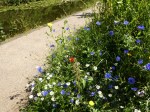
July 19th – I’ve been largely ambivalent about the odd project to resurface the canal towpath between Walsall Town Wharf and the Bentley Mill Way aqueduct. It’s a decent enough job, I guess, but I don’t feel the surface is that much of an improvement, and the loose gravel and untreated under bridges are problematic. But there is something that’s beautiful.

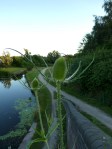
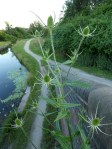
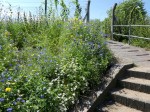
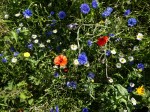
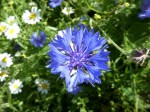
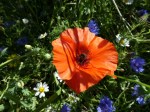
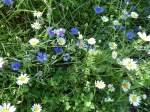
When the contractors remade the retaining walls to the steps at the Scarborough Road Bridge in Pleck, they planted wildflower seeds down the embankment, and at other spaces on the towpath.

This has resulted in stunning little urban patches of sunshine like this, so wonderful on what was the hottest commute of the year so far.

Thank you to whoever, for the act of beauty and foresight.

July 18th – I like this a lot. On Catshill Junction Bridge, just on the Walsall Wood side, there is a very healthy teasle plant growing from the brickwork.

It’s now tall, and in bloom. It looks fantastic, and slightly alien, as these plants always do.

A migrant from the wild sowing of nearby Clayhanger Common, we never would have seen these kind of plants here in my childhood. A wonderful, life-affirming thing.

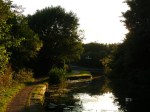
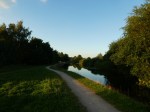
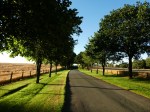
July 18th – A pootle up the canal to Walsall Wood on an errand in a glorious golden hour. The hottest day of the year so far, the water bubbled as unseen creatures walled in the cool water, and grasshoppers, bees and birdsong filled the air.

An absolutely wonderful evening that shows that while people seem to think this area is ugly, it’s actually beautiful.

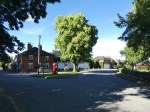
July 17th – In spite of some grim mechanical problems and slow initial progress, I made it to Rosliston for tea and cake, and then pootled back through Coton in the Elms, Lullington, Clifton Campville, Haunton and Syerscote, calling at Hints and Weeford in the golden hour.

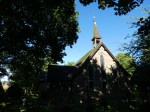
The villages glowed in the summer evening warmth, and even though I was battling a keen westerly, my England was right here – in a view familiar to Peter Cutler, in the flower-adorned villages, and in the sad but tranquil churchyard at Haunton, with it’s ranks of gravestones to nuns from the nearby convent.

It doesn’t get much better than this.

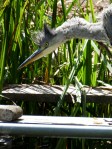
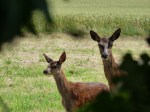
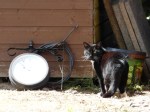
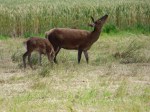
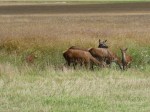
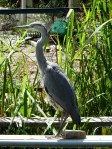
July 17th – A very hot day with no little wind, and I set off on a ride cursed by mechanical problems, but I still got 57 miles in which was well worth it and very enjoyable. What was noticeable with the sudden arrival of summer was the active animal life. The deer were still showing well at Home Farm, and a rather hung-over looking heron was preening and looking a little mad near Wharf Lane. In between the two, a cat with remarkable whiskers was languidly patrolling his canalside patch.

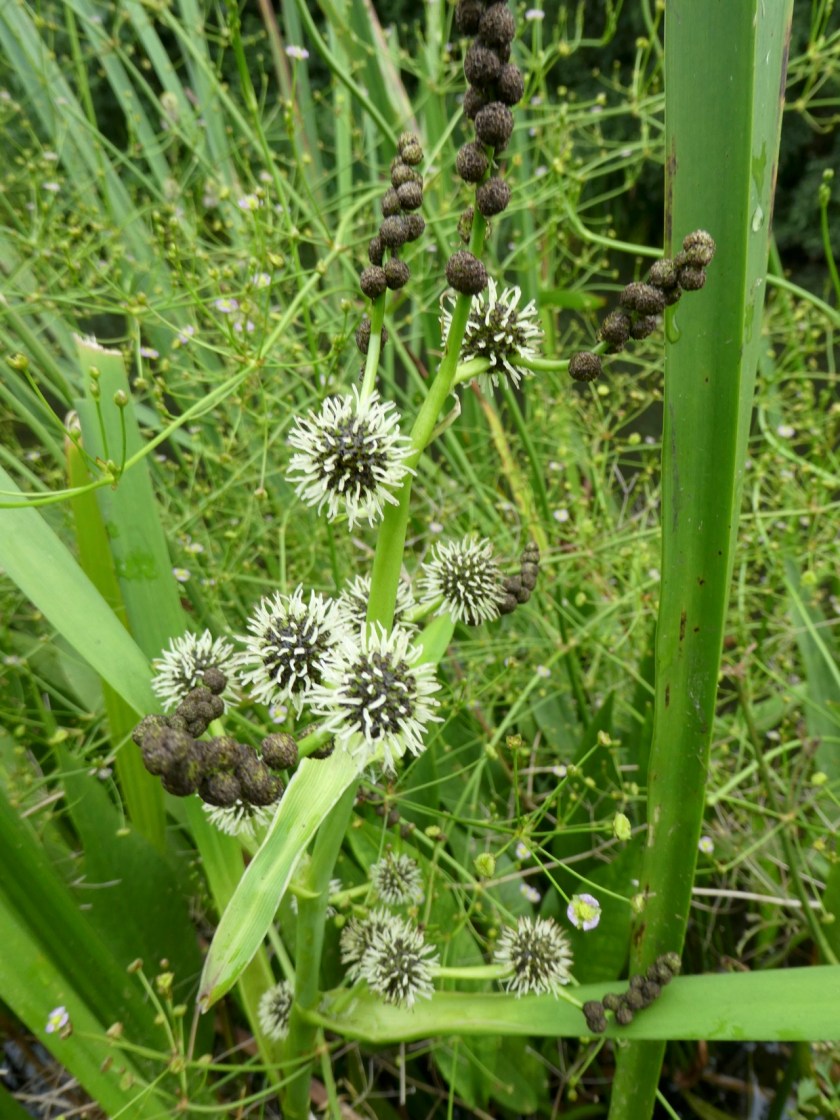
July 16th – This curious flower was found in the reed bed at the edge of the canal at Newtown, near the Castings factory. I’ve never seen anything like it before, and it seemed to exist in isolation.

It turns out it’s a common reed: branched bur-reed, and the flowers – little spiky gloves about the diameter of your fingernail – are remarkable. It’s an apparently common canal plant, so I must have seen loads of it and never realised.

I really should open my eyes more!

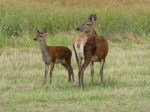
July 16th – I know the deer have been on Home Farm at Sandhills for a while – I accidentally photographed a lone stag there last autumn – but I’ve never seen a large group. Until today.

A grouo of red deer females, with three fawns, were loafing in a field margin but the canal, at the conjunction between the oilseed rape crop and some wheat. They were not nervous and seemed comfortable.

I think they’re getting here from CLayhanger Common, as previously I’ve seen footprints on Catshill Junction Bridge, and there seems to be a lot of trampling in the hedge-gaps.

The local deer population really is ubiquitous now.

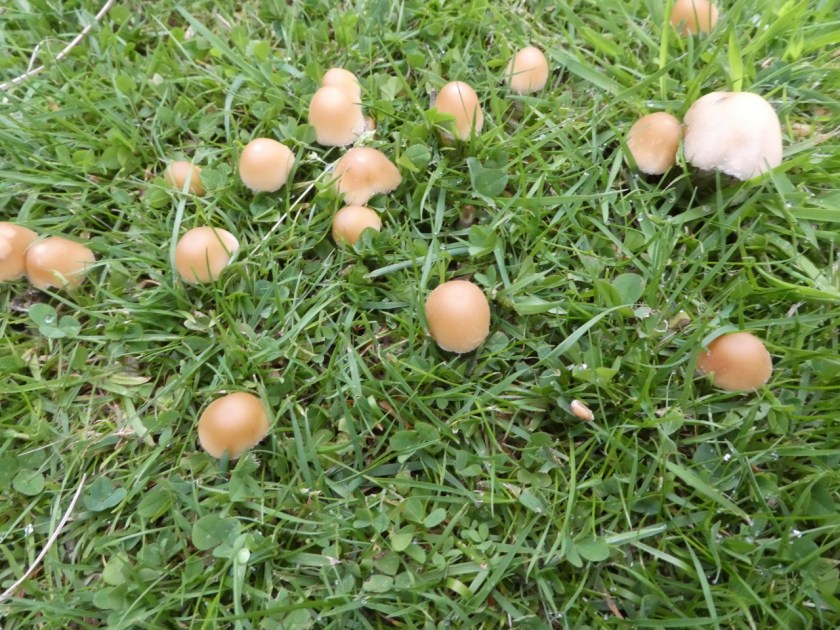
June 15th – Noticed on a grass verge in Wednesbury, this fine crop of toadstools.I think they’re roundheads, but I didn’t have time to study them closely. But you know you’re advancing through summer when the shrooms are out.

I love to see fungus – such a fascinating, misunderstood part of the ecosystem.

July 15th – As a good pal said to me a few days ago, some plants would be really cherished if they were harder to grow, and I believe this to be the case with ragwort. Deep yellow and orange, this dweller of scrubs, verges, hedgerows and fallow ground flowers profusely throughout the summer, largely ignored because it’s so common.

Scourge of horse-owners due to the toxic effect on their steeds, it’s not a well liked plant.

Which is a shame, because when you stop to look at it, it’s rather beautiful.