August 13th – The proliferation of beans planted as a crop on local farms this year is intriguing me. I’m interested in how they’re harvested, what they’re used for and why, for instance, this field at Lynn, near Stonnall, is being allowed to die and blacken. I know that growing legumes is a valid and effective crop rotation technique to nitrogenate the soil, but letting the crop die is surely a waste, unless they’re used black. An interesting thing, for sure…

August 3rd – The wheat is ripening near Shenstone, soon, it will be harvested and on its way to the mill. As my seasonal markers go, this footpath through the fields from Hollyhill Lane is one of the best. Last year, it was through a field of oilseed rape. Wonder what’ll be next year?

The grain itself looks healthy and fat – a consequence of the rain we’ve had. Biting the grains give a lovely, milky, glutinous taste. On this glorious evening, it was warm, and despite my end of week weariness, I couldn’t want to be anywhere finer than here, in south Staffordshire, in summertime.

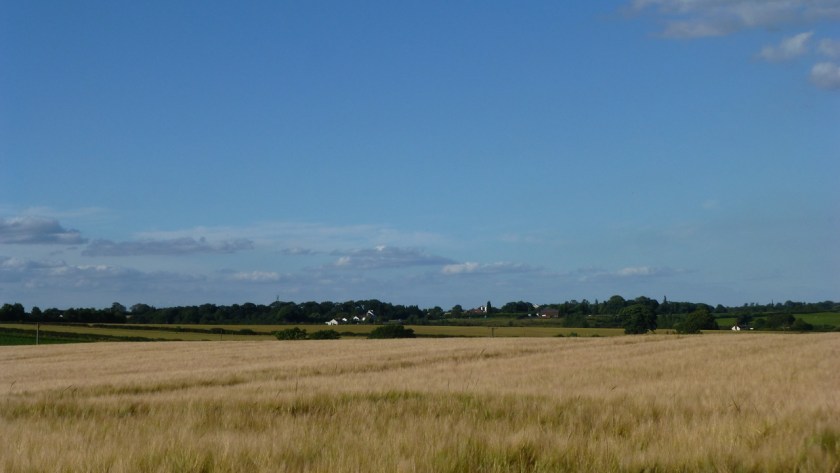
July 23rd – It’s really nice to have summer on her throne right now. I’ve waited so long for this. The countryside is drying out, and crops that were green and late a few days ago are turning golden in the hot sun. Here at Springhill, near Stonnall, this field of barley was rippling gently in the breeze. Soon, it’ll be time for another of the seasonal markers to tumble into place; it’ll be time to bring the harvest home. Let’s hope for a late scorcher, eh?

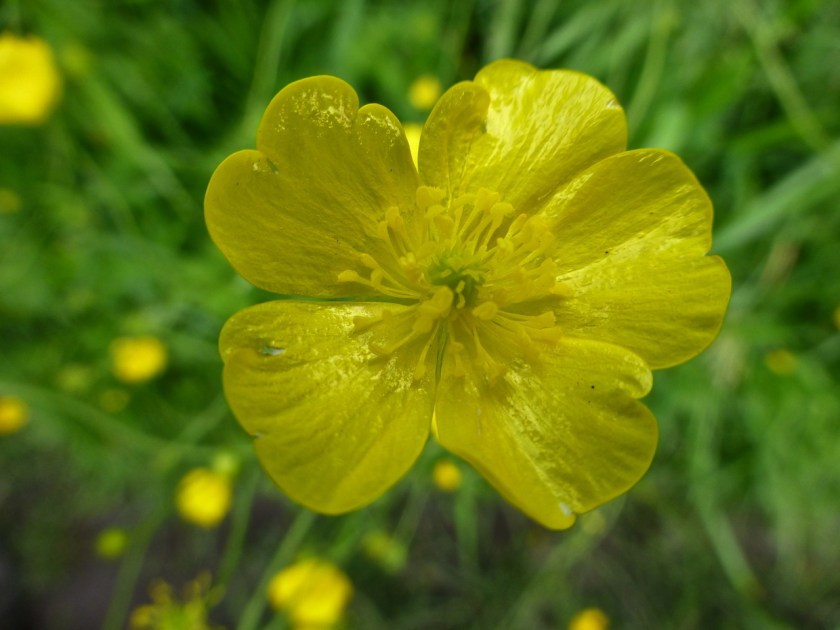
June 18th – The farmer who planted such a fine crop of beans seems very sensitive to wildlife, leaving wide fieldmargins and nic patches of scrub. This benefits the who biodiversity – bugs, birds, animals and flora. Still beautiful, though, however common, is the humble buttercup, here in abundance with cow parsley, dandelions, cornflower and poppy. Gorgeous.

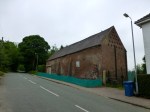
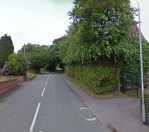
June 1st – I see that Wordsley House in Stonnall has  now been sold, and this includes the barn and land.  The barn is now marked down – like most agricultural buildings in the area have been – for conversion into dwellings. It says much about the economics and demographic of this burgeoning Metroland that all the farming has now gone from the village. The transformation – from comfortable rural village to almost totally soulless commuter resort –  has been completed in the 30 years I’ve been riding through here, and I find it desperately sad. The only redeeming feature is the rolling countryside and greenery – although it is under threat too, as the lower image from Google Earth Streetview shows. In danger of losing the remainder of it’s greatest assets to overdevelopment, I fear for Stonnall’s future. Sad, destructive and tragic.