October 9th – There must be a good return on parsnips. I watched this mystery crop grow at Home Farm, Sandhills, from polythene covered strip mounds to lush, verdant foliage, from which readers identified the then mysterious crop. Harvesting has been ongoing for a week or two now – not everyday, but I imagine as often as demand occurs. Workers appear to sit in the shed-like trailer picking the root veg by hand, and tossing them onto a conveyor. Debris in one spot shows the crop was large and in good condition.

Don’t think I’ve ever seen parsnips grown in large quantities before. It’s certainly labour intensive to pick them. 
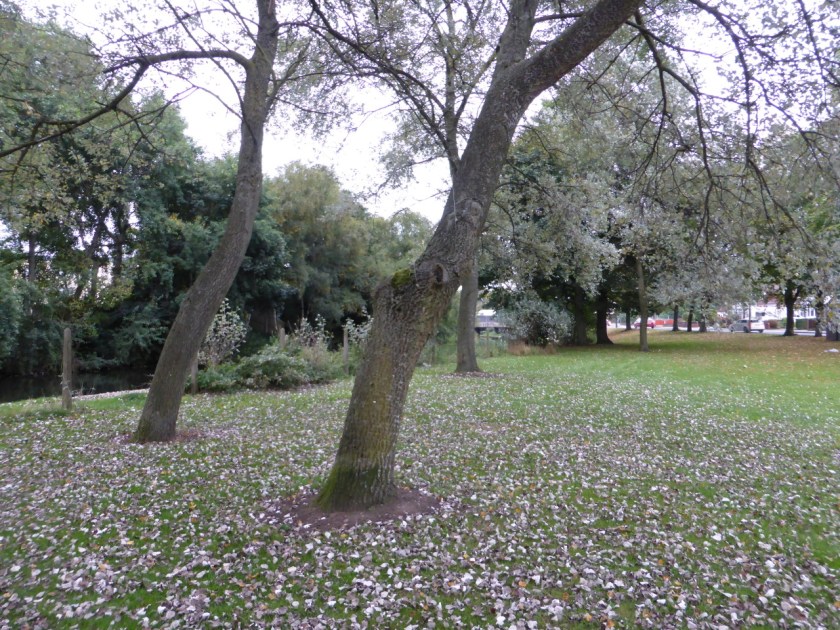
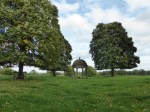
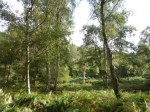
October 8th –  more pleasing spot right now is just up the road from the old Wheel Inn, at Anchor Bridge. The open space here is dotted with an assortment of mature trees, from willows to birches, poplars to ash. They are handsome any time of year, but right now, they are spreading the grass with a variety of colour. With the canal adjacent, but for the roar of the nearby traffic you could be in a great park…

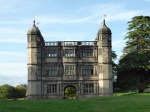
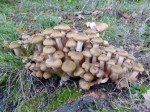
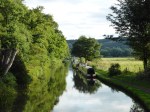
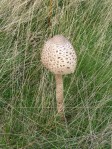
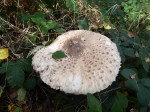
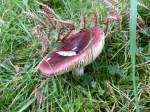
October 6th – From Milford, I headed out via Tixall and all it’s remarkable architecture and hit the canal at Hoo Mill. Returning along it to Rugeley rewarded me with a great golden hour and some lovely toadstools I’d not seen before. This was a great ride on what surely must be one of the last warm, sunny days of the year. I’m glad I was out and able to enjoy it.

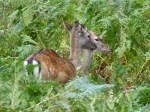
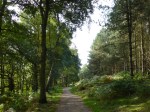
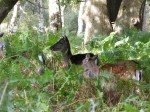
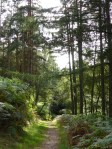
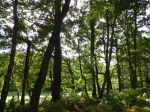
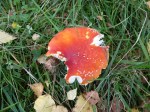
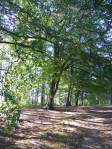
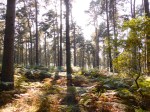
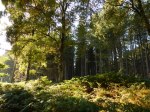
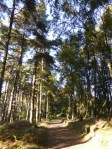
October 6th – I returned to Cannock Chase as it was a much nicer day, and I still wanted to find those wonderfully photogenic fungi. Crossing the forest from Hazelslade to Milford via Birches Valley and Seven Springs, I saw lots of lovely things: the deer were showing well, the autumn colours beautiful, and some pretty good mycology. Sadly, though, the fly agaric were still elusive in all but the most tatty forms.

October 5th – I went up on the Chase for a short, late afternoon blast. I was keeping an eye out for interesting fungus, as that’s one of my favourite things about the season. I was trying to find decent fly agaric in particular, but all the examples I found were either old, badly damaged by slugs or very young. Other than those, there was disappointingly little. Perhaps I should have tried a less well-used part of the Chase…

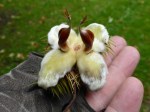
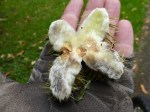
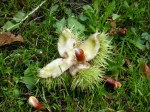
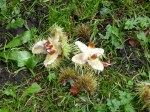
October 4th – Alongside several horse chestnut trees in Festival Gardens, Lichfield, there are also some variety of sweet chestnuts. These prickly customers are a bit of a mystery to me, as they’re clearly the same fruit as the ones you’d buy at the greengrocer, but the ones I see whist out and about are rarely of an edible size. The trees are gorgeous, with leathery, glossy dark green leaves, and the chestnuts are held in a very prickly husk. When they open star-shaped and fall, inside the husk is downy and soft. These fruits are almost alien, and the perfection of the package is a wonder to behold.

Are these actually edible, or is it a different strain? 

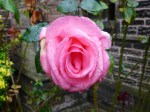
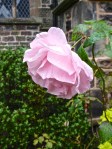
October 3rd – I’m not a big fan of domestic roses – I much prefer their wild, more fragrant cousins. However, even cultivated blooms look great with a fresh rainfall upon them. I spotted these glorious flowers outside Shenstone Church.
A real splash of colour on a very murky day. There’s beauty everywhere if we’re open to it, I guess.

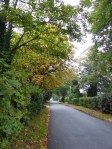
October 3rd – I set out for work a little early on a murky, misty, wet autumn morning, and realised as I sped down the Chester Road that it was oddly photogenic. I decided to take a diversion and spun up to Shenstone, and grabbed some pictures as the season began to turn the leaves.

It worked rather well, I thought. It’s unseasonably warm right now, but I’ve got the feeling we’re on the verge of some really dramatic colours. I think this one could be worth keeping an eye on…

October 1st – One of the relatively unsung heroes of the hedgerow is Hawthorn, or May. It’s dark red fruit – haws – are maturing well now. Full of goodness, they stay in good condition on the branches and provide sustenance for the birds in the darkest depths of winter, when softer, more palatable fruits like blackberries have long gone Just like they will with garden Cotoneasters, blackbirds will defend a laden bush at all costs against other birds, and haws are bitter enough to only be eaten out of desperation.

Hawthorn is the mainstay of most rural hedging, and populates a lot of woodland. It really is the stalwart of the great British hedgerow.

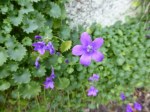
September 29th – I escaped mid afternoon, and didn’t have long. The sun was out, but there was a keen wind, so I headed up to Cannock Chase. The colours were brilliant, with a hint of a beautiful autumn promised. I saw 3 muntjac deer at Stonepit Green, and a herd of 30-40 fallows crossing the road at Penkridge Bank. There were a few folk about, but off the main trails, the forest was beautiful and deserted. Rainbow Hill, Wolseley Plain, Abraham’s Valley and Moor’s Gorse were all gorgeous, and topping it off, a clump of wild cyclamen at Upper Longdon. Autumn ain’t so bad when it gets going…