#365daysofbiking Colonial life:

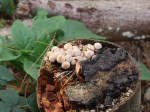
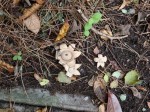
November 2nd – the fungi colonies are still doing well. The earthstars of the Darlaston Trading Estate are still showing beautifully like some petrified, child’s drawing flower, and these little buttons on a stump were fascinating. I’m not sure what they are, and welcome suggestions: Maybe slimy beech caps or roundheads?

Never tire of studying fungus.

April 6th – it’s not just about the blossom and attention seeking flowers, though.

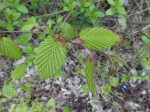
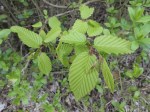
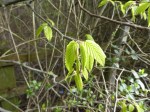
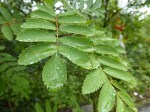
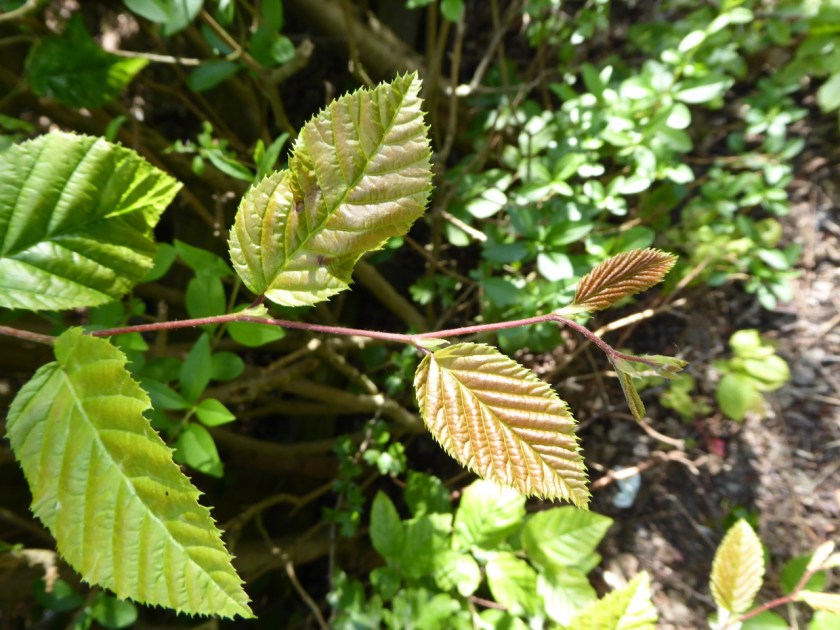
So many new leaves, but is there any new leaf as crisp, beautiful, green and geometrically beautiful as the humble beech?

Go on, next time you pass one, take a close look. They’re wonders of verdant perfection.

April 6th – Heading out on an errand from work late morning after a windy, wet and decidedly unpleasant commute was like chalk and cheese. Where I’d been relentlessly battered by driving rain and a headwind, it was actually sunny and pleasant as I rode down to Great Bridge.

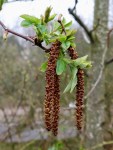
Near Great Bridge, in a main road hedgerow, leaves are developing well. Hawthorn, beech and birch add a welcome splash of green after the grey winter months.

October 7th – Autumn is still merrily and beautifully doing it’s thing, although at somewhat different rates. 

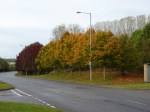
In Wednesbury, the gorgeously shimmering red-brown willows I spotted last week have been joined by beautiful ochre-orage beech trees (At least, I think they’re beeches). The contrast and effect are stunning, even on a grey, damp morning.

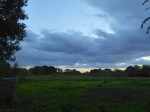
On my return, Jockey Meadows is still quite green; fitting really, as this was the last place I noticed to green up in spring. The cows have long ago moved on from this water meadow, but they cut back the scrub considerably, and the effect is still lush and verdant, all under a wonderfully dramatic sky.

Beauty, even on dull, miserable days.

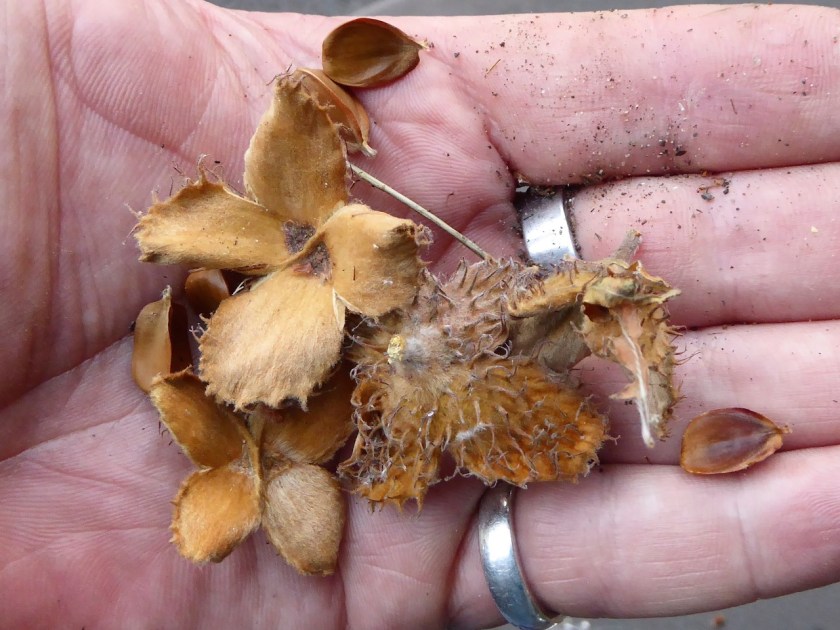
September 23rd – Labouring up Shire Oak Hill at Sandhills, a familiar crunch crackles under my tyres. The beech mast is thick this year, and it’s been a good year for beech nuts.

The husks are hard, prickly and dry as old bones; the little brown nuts shiny and hard. Some years, the nuts are fatter and more oily than others, and this is part of the growing cycle of the tree, not a factor of the weather. Edible but harsh, they were used as a substitute for coffee in wartime and gave their name to a chewing gum.

I collect a few, split them open with a pocket blade, and suck out the kernel, and chew them determinedly for the remainder of my journey. 

A palatable taste, not unlike a slightly sharp hazelnut. But it’s hard work to get a decent mouthful!

June 25th – One the way to work today in Telford, I passed, as I usually do, a tall beech hedge. My attention was snagged by the bright, crisp red-green new growth, and the intensely geometric nature of these gorgeous leaves.

Each leaf different, but similar. Macro, and fascinating. Never really studied them before, but these were remarkable.

Funny the things you sometimes see afresh by chance.

October 11th – One of the odder fruits of autumn is beech mast. Beech nuts have a pleasant flavour if chewed, with a green, dark and astringent taste; they grow in a prickly, hard rough burr husk that falls from the tree after opening. Since a mature beech is of a considerable size, the mast litter under such a tree is often deep, and has a distinct crackle when you walk or ride over it.

There isn’t a hint of moisture in the husks, which are hard, and they put one in mind of something prehistoric, perhaps the scales of some long-extinct dinosaur.

This example, along with several others is growing along the Lichfield Road at Sandhills. They are lovely trees.