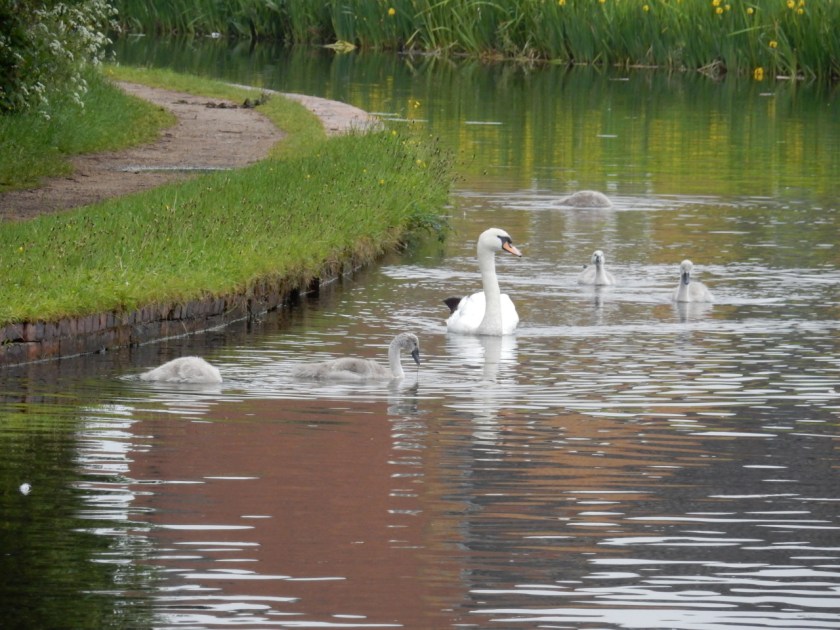
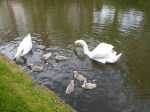
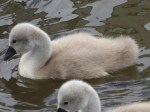
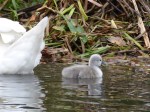
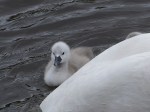
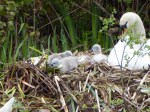
June 13th – So, the Watermead cygnets are down to five – this is definitely the family, spotted today near their nest. They started with seven and have lost two, which isn’t too bad – most likely to predators of some sort. The youngsters are growing well and seemed happy and healthy (as far as I could tell, anyway).

It’s so good to watch the local wildlife mature like this. You almost develop an attachment to the birds as they get older.

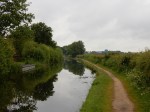
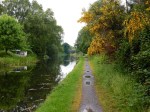
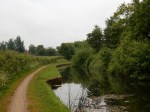
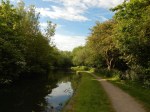
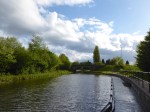
June 13th – A wet, miserable day, with the weather only clearing in the early evening. I headed out on surprisingly puddle-free towpaths into a glistening, dripping wet green. 

I went out with the intention of comparing the Nikon to the Sony on the same/similar shots. The Sony may have a great interface, but the image quality in poor light can’t hold a candle to the Nikon. Interesting.

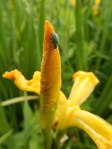
The flag irises are doing well this year – huge beds with lots of flowers all along the canal through Brownhills and up to Chasewater. After a brief break the gorse is flowering again, and the ox-eye daisies on Chasewater Dam were a delight.

After most of the day stuck indoors, a real tonic.

May 30th – I have a new camera to try out. I usually use a Panasonic TZ70, but having used that brand for 8 years, I often try alternatives to see how they are when I get chance.

Courtesy of a generous friend, I’m currently using a Nikon S9900… and I rather like it. With similar ultra zoom performance, it seems a bit more solidly build, and I have to say, in most situations I’ve used it in, the camera has produced excellent images.

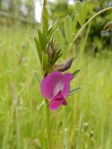
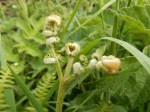
They seem a little vivid, but the macro mode is excellent, and much better than I’m used to, as I found when I tried it on various flowers.

I have this for a couple of weeks, so plenty of time to find the issues, I guess.

May 24th – The Watermead swan family in Brownhills are doing just fine, after the loss of a single cygnet soon after hatching. The remaining six are looking healthy and growing well when I saw them in the evening. Mum and dad are clearly protective, but aren’t shy to show off their charges, either!

Meanwhile, on the canal towards Aldridge, a small but perfectly formed mallard mum with four cute little ducklings.

A joy to see all these young birds at the moment.

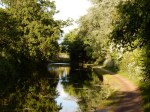
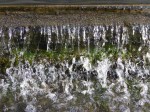
May 18th – At Clayhanger on the canal, in a much more temperate commute than my journey to work, I stopped to watch the overflow, which was overtopping well. The canal seems to have been low for a week or two, and is now back to full. I always love to see how clear the water is, such a change from the polluted soup it was when I was a kid.
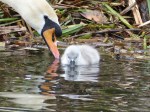
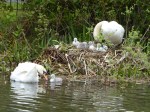
So full of life and such a valuable green highway these days.

May 17th – Only a short ride today, as my stomach was bad and I was busy with other stuff.

On the canal at Newtown, a familiar scum is developing, and I always get concerned mail from readers about it, who are justifiably concerned that the canal has been polluted by some foreign substance.

Well, it has and it hasn’t: but it’s nothing to worry about. The white film is the pollen and detritus from Sallow trees (Goat Willow) which bloom at this time of year and shed white fluff to the four winds – and it gathers on the canal surface, looking like some terrible contaminant.

It’s really a natural, organic thing and nothing to worry about.

May 9th – A big welcome, if you please, to the newest residents of Brownhills, seven swan chicks newly hatched in the last 24 hours or so to the swan couple who have been nesting at the Watermead, just near the Canoe Centre in Brownhills.

The 7 fluffy hatchlings were active, and seemed fit, although I think there may have originally been eight, as I think in some photos there appears to be a lifeless one in the nest. But seven survivors is a good number, and if they can get through the next week or so without being lunch for predators, they’ll be just fine.

Mum and dad were showing their brood off beautifully, and the Canoe people are avoiding them – out of respect for wildlife and also out of pecking distance of the Cob! 

We can expect to lose a few of these fluffy chaps – we lost one of the eight at Catshill last year – as at this stage, they’re vulnerable to mustelids, foxes, rats and even herons – which is just natural.

So if you can, get down and have a look at these delightful birds. Please don’t feed them bread, however, as it’s bad for them. There’s plenty of natural food and they’re foraging well.