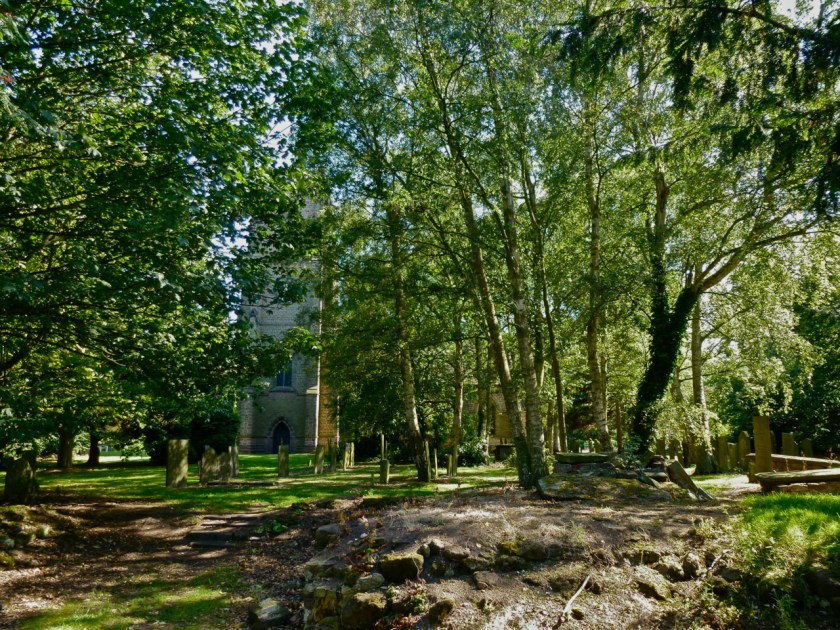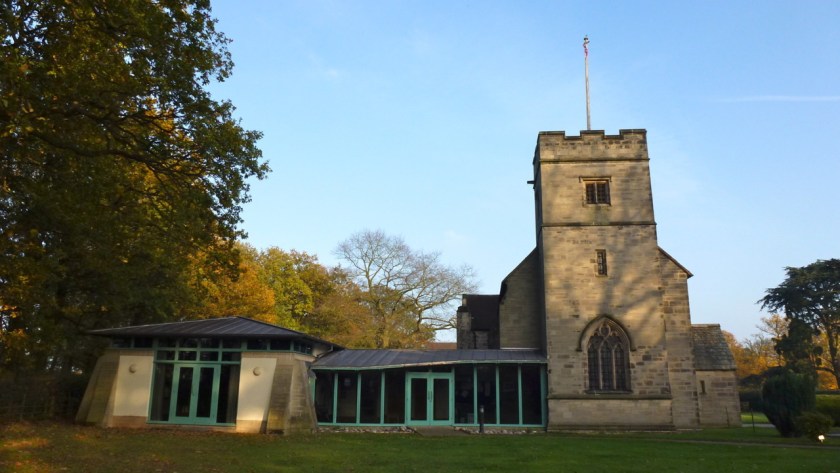
November 13th – Canwell Church. A beautiful, light stone design by Temple Moore, elegant in it’s plain simplicity – dedicated in 1911. Sat beautifully in a surprisingly quiet spot, just off the A38, for 80 years… Then some idiot wrecks it in the 1990’s by cursing it with that disease of  many churches in the Lichfield Diocese, a wholly unsuitable extension. Pelsall, Brownhills, Walsall Wood have all befallen this malaise. You’d think a landlord with so many historic, beautiful properties would understand aesthetics of architecture… whoever approved this should be ashamed of themselves.
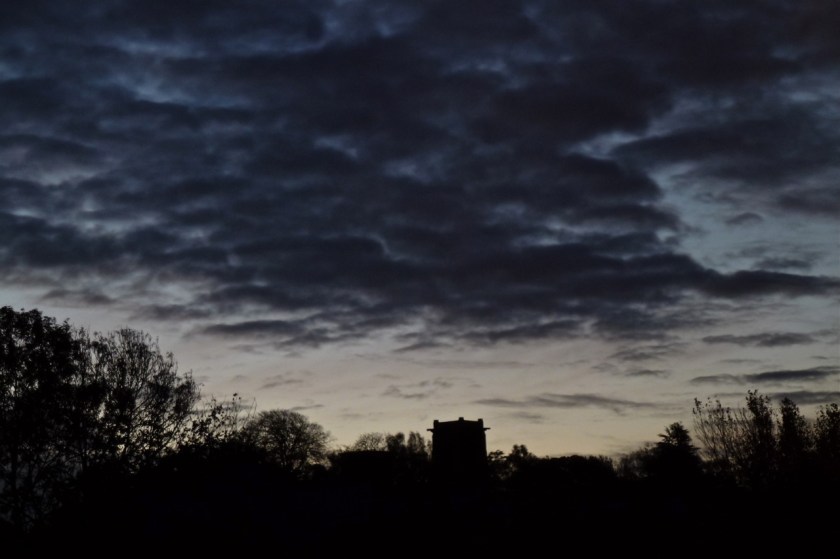
November 1st – It was a slightly better morning this morning than that of the day before, and the dawn seemed to come a shade earlier. As I reached Shenstone Station, I noticed the lightened sky to the east, and the perfect manner in which it highlighted Shenstone’s Victorian Gothick church tower. You don’t see gargoyles like that every day…

October 22nd – I’ve noticed this tower and chapel lots of times as I’ve sped downhill through Rugeley, but only ever stopped to investigate today. I was always vaguely intrigued by the fact that it sat opposite the parish church, on the other side of the road, yet appeared to be the remnants of a church itself. The structure is sat in Rugeley Cemetery, which I’d not noticed before, and I assume it’s a chapel of rest. The tower itself has gothic touches and gargoyles redolent of that other Victorian Gothic tour de force, Shenstone Church. I must look into the history further…

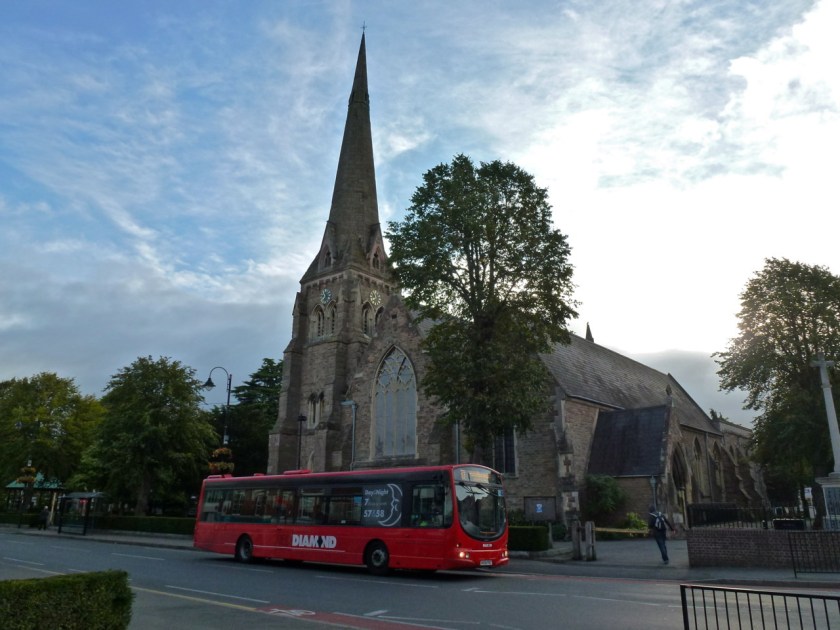
September 7th – Redditch gets a lot of stick – not least from me – for it’s awful road system and urban design. There are some very surprising bits, however, like the church in the centre of town. It’s huge, dramatic and beautifully complimented by the surrounding market and gardens. The Church Green are is a reminder of a Redditch long since passed, of the old town before the development and Birmingham overspill. I love this building.

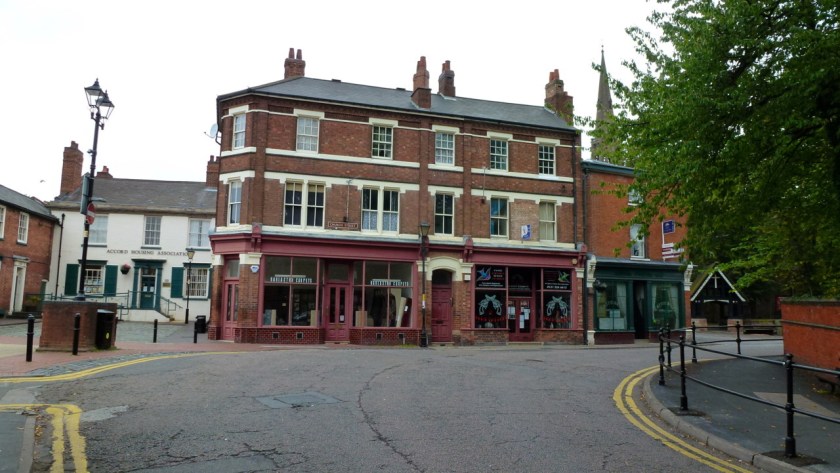
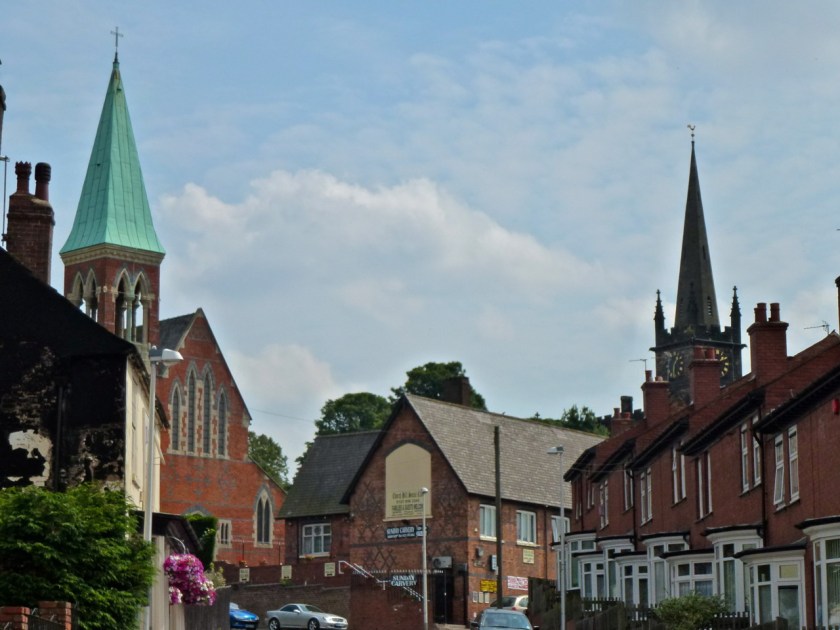
August 18th – Continuing this week’s Darlaton exploration (I’m working near here), I’m determined to show that this is a beautiful, complex and historic place. It’s easy to dismiss the Black Country as grimy, dirty and without aesthetic or cultural merit. That is wrong, very wrong. This is the top end of town, near the church and the beautiful and haunting war memorial. If you showed anyone from outside our area this picture, they’d never guess where it was taken. We don’t appreciate our area enough.

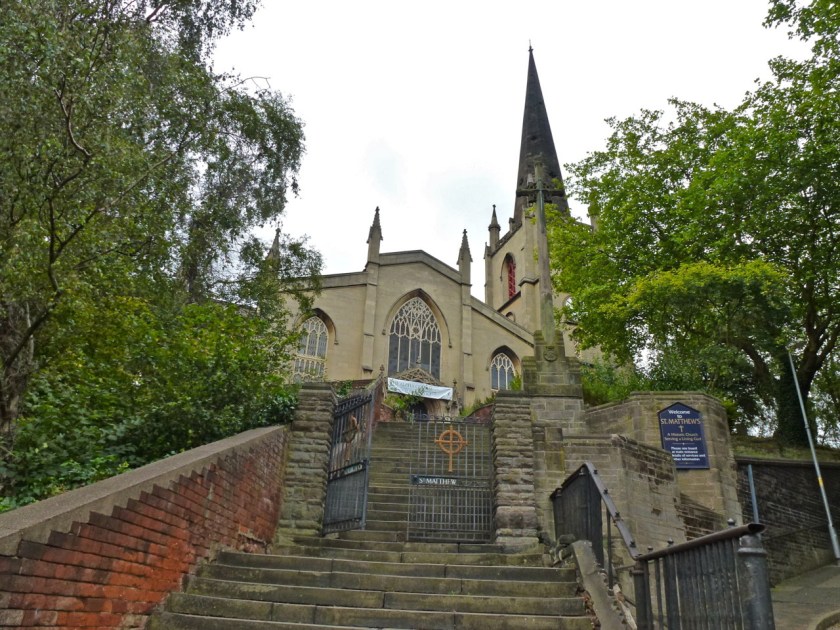
August 12th – Walsall has many surprising corners and features that surprise the unwary. Like Wednesbury, it’s central focus is a considerable hill, in Walsall’s case topped by a single, handsome church with a dramatic, imposing approach from the street below. St. Matthews itself is a gorgeous building, to which I will return, but it’s a dramatic symbol of Walsall. Soon, it’s view from the town below will be restored following the demolition of the despised Overstrand Restaurant.

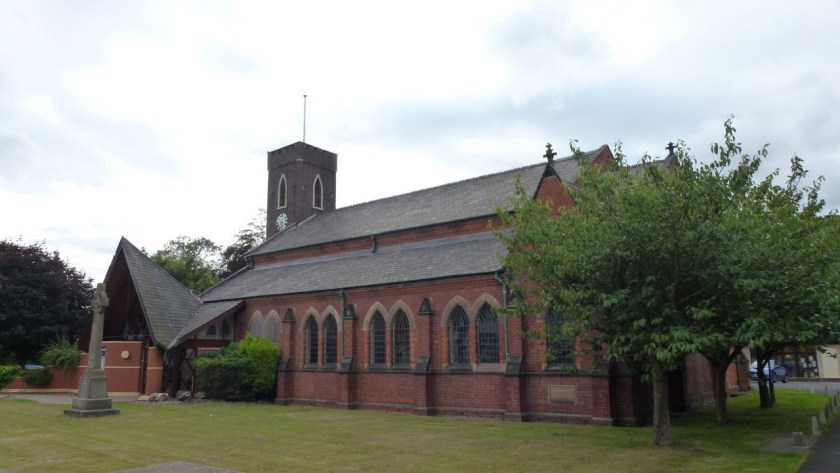
August 11th – Walsall Wood church of St. John is an imposing, typically industrial red-brick church, sadly vandalised by a thoroughly unsympathetic extension, an affliction meted out surprisingly frequently to local churches by the Lichfield Diocese, who seem to have about as much understanding of ecclesiastical aesthetics as I do of brain survey. Both Pelsall and Brownhills churches were similarly debased; it’s particularly sad in this case as the church itself has a beautiful, devotional interior and didn’t deserve this treatment.

August 3rd –  The twin churches of Wednesbury are a landmark for miles around. This view is iconic to me, and one I always remember when thinking of the Black Country. It’s a surprisingly hilly area, are there are many such spots throughout the conurbation, but none with such an old-world, English feel to them. I keep saying it, but man, I love this place.

July 24th – Shenstone Churchyard is a tranquil place. Right atop St. Johns Hill, the church itself is a dark, brooding sandstone edifice, replete in a severe, gargoyle-enhanced Victorian gothic which I’ve never found pleasant. The grounds, however, are shady, dotted with mature trees and overlooked by the ruins of the remaining tower from a previous incarnation of the church. Nearby is what I assume to be the ruins of the former chancel steps, right there in the graveyard. Peace, with history bearing all around.

July 22nd – How to get rid of a listed building. These masons are carefully removing examples of significant stonework from the Mellish Road Methodist Church, which was sadly damaged during the operation to fill limestone caverns under the Butts area of North Walsall 22 years ago. Never well built, it suffered from cheap, ambitious building techniques, common to many such churches. Having taken the substantial compensation, the original owners sold the church on to developers, whose attempts to do anything with the site were roundly rebuffed by he planning committees for 20 years. Finally, after vandalism, decay and a visit from the municipal arsonists, the church is being demolished, clearing the way for the owners to build whatever they want.

Oddly, Walsall Council paints this as some kind of triumph, when in reality it’s a sickening, depressing example of how commercial interests outflank attempts at development control. But it’s more than that – a decade ago, an application was made to turn the church into a community centre, which was declined, too. Had that been approved, these men wouldn’t be taking apart this sad, decaying building now.