June 22nd – I passed the coos of Jockey Meadows early in the morning, and they were gathered at the field gate. I’m curious as to why they do this, and sometimes, at the same time of day, can barely be seen at all. There’s nothing of note here apart from a salt-lick, and there’s plenty of water in the meadow, so I guess they get some additional feed brought by a stockman, and their internal clocks are telling them food is due.

These gentle, inquisitive animals have clearly had an impact on the meadow – it’s what I think they’re there for – the long grass is reduced and the mud well churned.

I love these summer tenants of this curious slither of greenbelt..
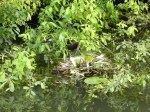
June 21st – It may be the solstice, but the mating behaviour continues on the canal. With many mallards now on second broods, I noticed this industrious moorhen building a huge nest on the canal at Pleck.

She was very busy and the structure contains some interesting items. I’ll be intrigued to see if she uses it.

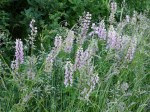
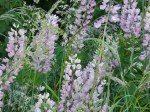
June 20th – It was terribly wet on my way to work this morning, and on the way back I was too knocked to go to the best spot, but lupins, for a reader who’s unwell.

I know you love them, but don’t get them where you are.

Get well soon old chap. I’ll find you some better ones in the week, promise.

June 18th – After such a wet and miserable week it was lovely to have some sunshine and a relatively warm afternoon. Whilst the damp has been very good for the foliage and crops, it’s not been nourishing my humour at all, in fact, it’s been a very difficult period in which to stay positive.

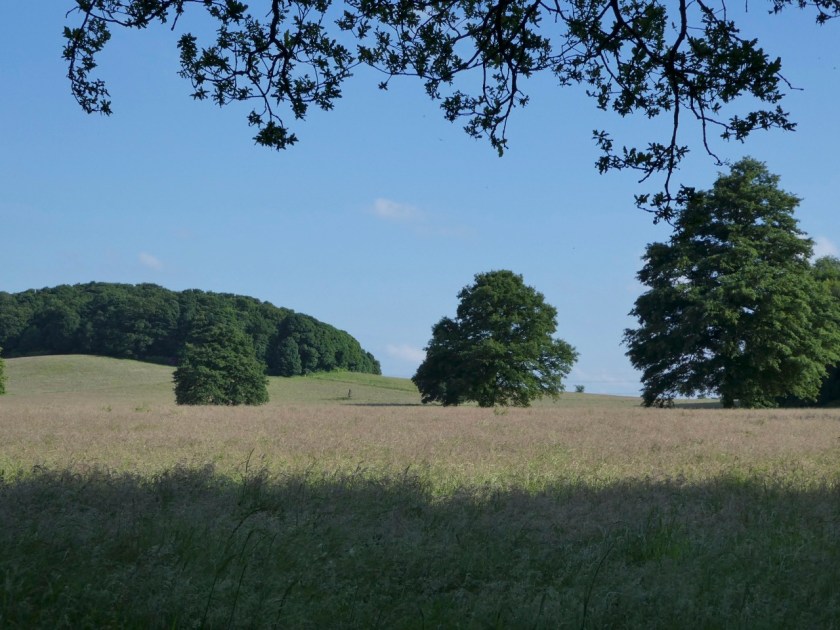
Today’s ride, however, dispelled my gloom. Sights like this beautiful hay meadow in the Blackbrook Valley at Hints were enchanting, and the sun on my face was lifting.

You can be disillusioned with a British summer, and would be fully justified in being down – but there’s always something to remind you of why it’s such a beautiful season. The rarity value sometimes just serves to make the experience even more precious.

June 17th – I came through Chesterfield near Stonnall in the afternoon and the skies were very threatening, yet failed to deliver their apparently evil intent.

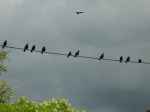
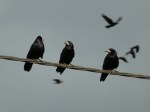
Equally menacing was the murder of crows, calling and chattering from the overhead lines. It was very Hitchcock.

I hurried home before the storm arrived… be it inclement weather or angry corvids.

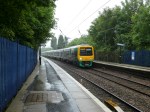
June 15th – I passed through Corporation Street in Birmingham, which is odd and otherworldly now the tram lines are finished and operational. I rode down to New Street, mindful of my narrow wheels and the hazards of parallel tracks. I’ve cycled around tramlines loads – always cross at as close to 90 degrees as you can – but they still unnerved me.

The new trams are quiet, too. so I can see some danger as we all get used to each other, but it is an impressive thing, and it’s nice to see Corporation Street not choked by traffic.

A surprising sight I thought I’d never see.

June 15th – I spent most of the day travelling before ending up back in Darlaston working late. I set out on yet another wet morning, in steady but warm rain, and it more or less continued until the last trip of the day, which was mercifully dry.

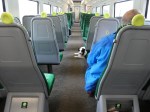
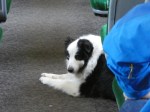
On one of my journeys, I noticed this bored, sad looking border collie who’d clearly have rather been out in the outdoors than stuck in a train. I loved his mismatched eyes. With the rain and murk restricting my riding, I know how the dog felt.

I don’t know where he was going, but I hope there was somewhere to run when he got there.

June 13th – Another day, another rainstorm, another soaking.

I headed out mid-morning from work to visit a customer; sadly, I left just as the heavens opened. 

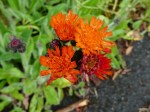
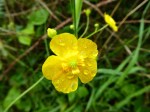
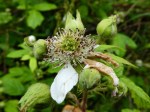
Fortunately, the flowers I saw on the way were so beautiful, they made up for the wet legs.

To the person who’s been practising the rain dance: I think you have the hang of it now. Please stop.

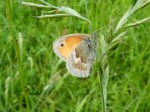
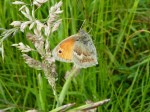
June 9th – I have no idea about Lepidoptera, but spotted this lovely moth (I think) in the flowers near the new pond in Clayhanger. It was beautiful and very active – and along with the bees and a whole host of other bugs, shows why margins and scrubs left to run wild are so very important for biodiversity.