#365daysofbiking Orange aid

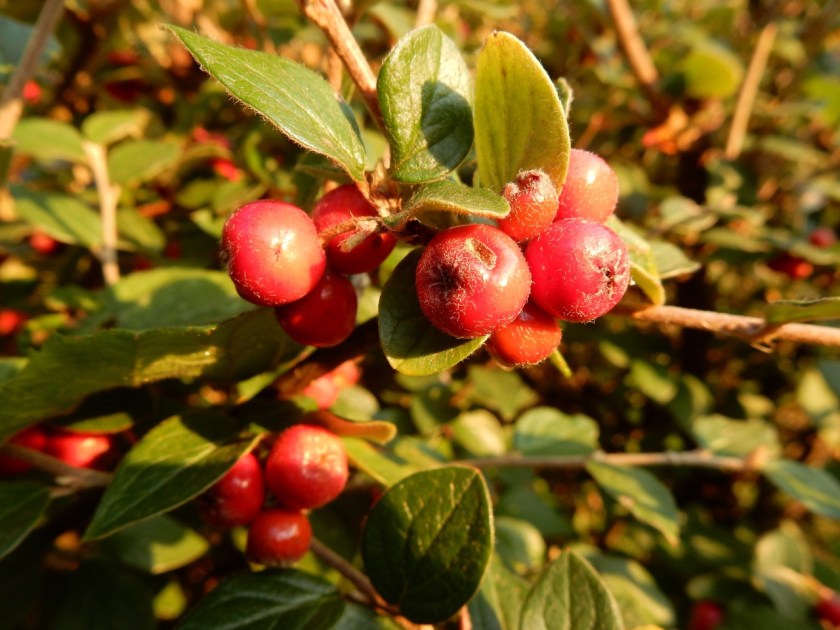
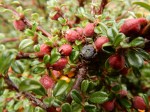
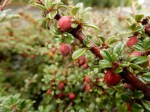
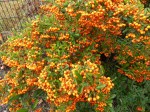
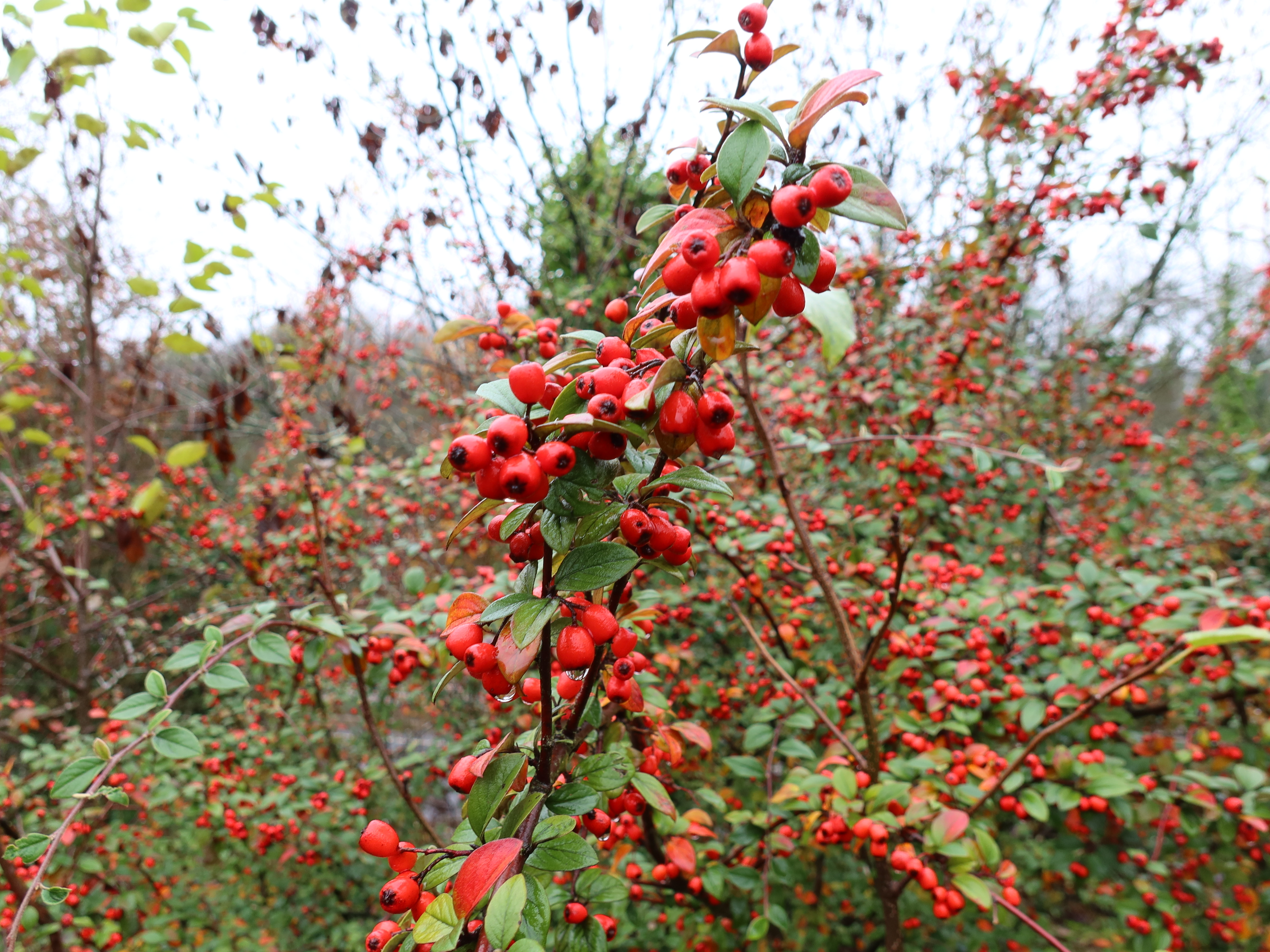
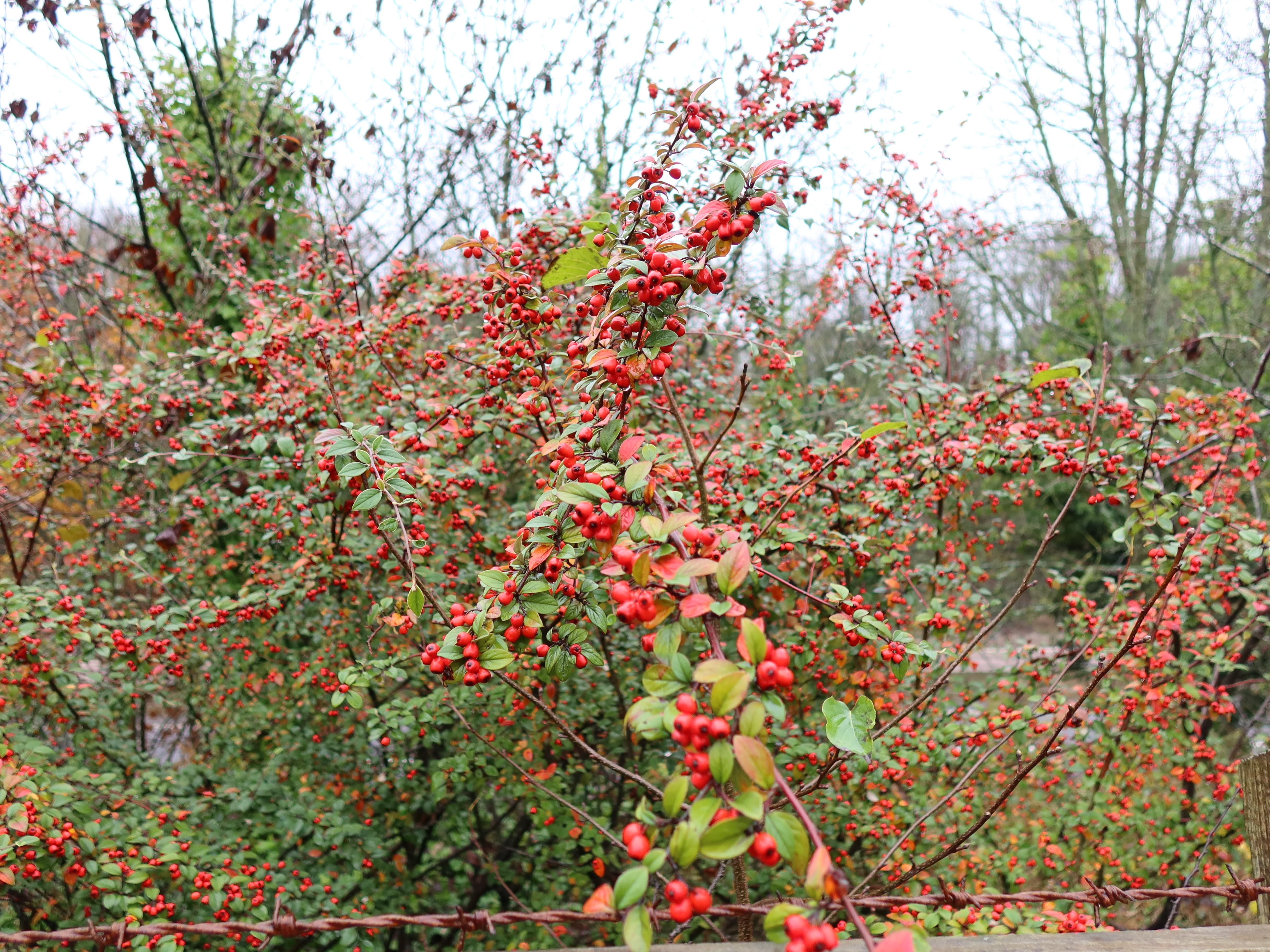
November 27th – In Telford again, more berries, but unlike the holly ones on Monday, these laden boughs of cotoneaster will be very much appreciated by the songbird population.

Cotoneaster are really appreciated by blackbirds who will defend a discovered bush for weeks if need be. The berries are bitter, but laden with sugar and a read aid to the birds over a cold winter.

If the adage about heavy crops of fruit meaning we’re due a cold spell is true, looks like we’re in for. a bad one this year…

This journal is moving home. Find out more by clicking here

#365daysofbiking Berry well red

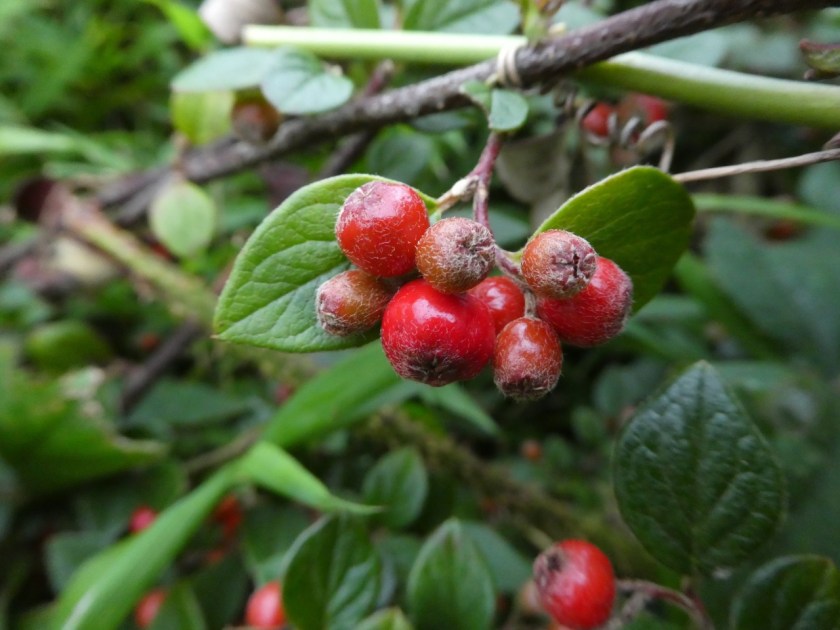
September 4th – Also in the bright berry department, this bright red example grows in similar urban situations as the firethorn, but has much more spread, larger berries in smaller clumps more evenly spaced.

I was surprised to find that it’s actually a type of cotoneaster – plant that I’m used to having tiny leaves and berries.

It’s certainly very beautiful and the birds are already clearly digging in…

This journal is moving home. Find out more by clicking here.

from Tumblr https://ift.tt/300D1rL
via IFTTT

#365daysofbiking Blackbirds and bees

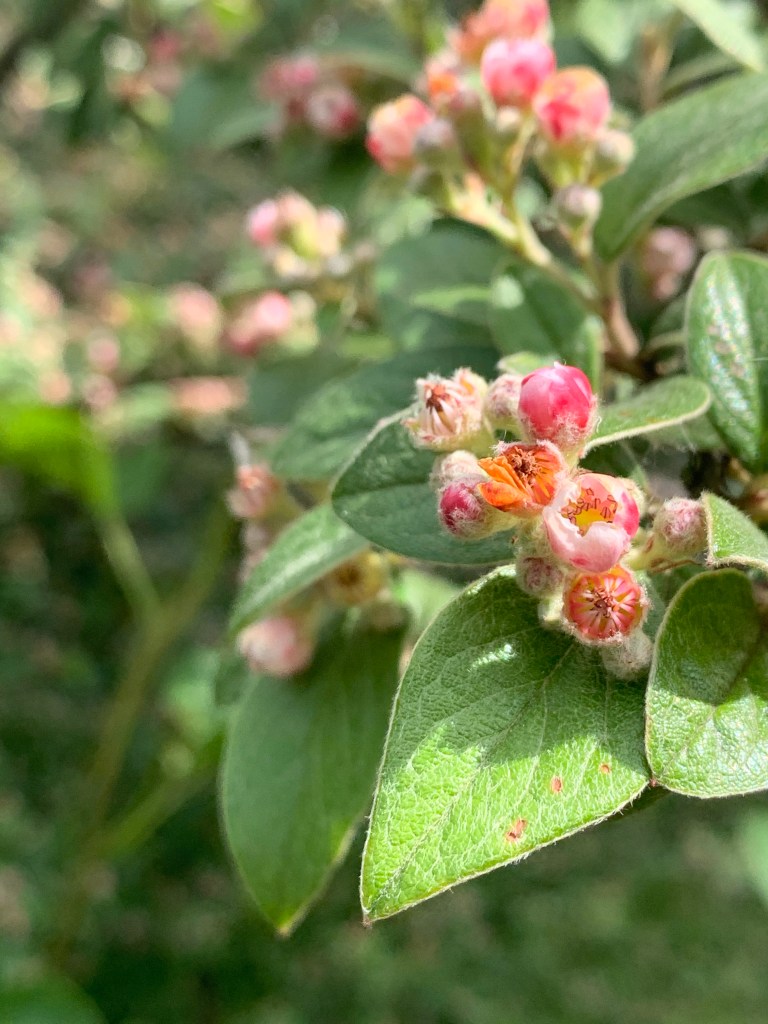
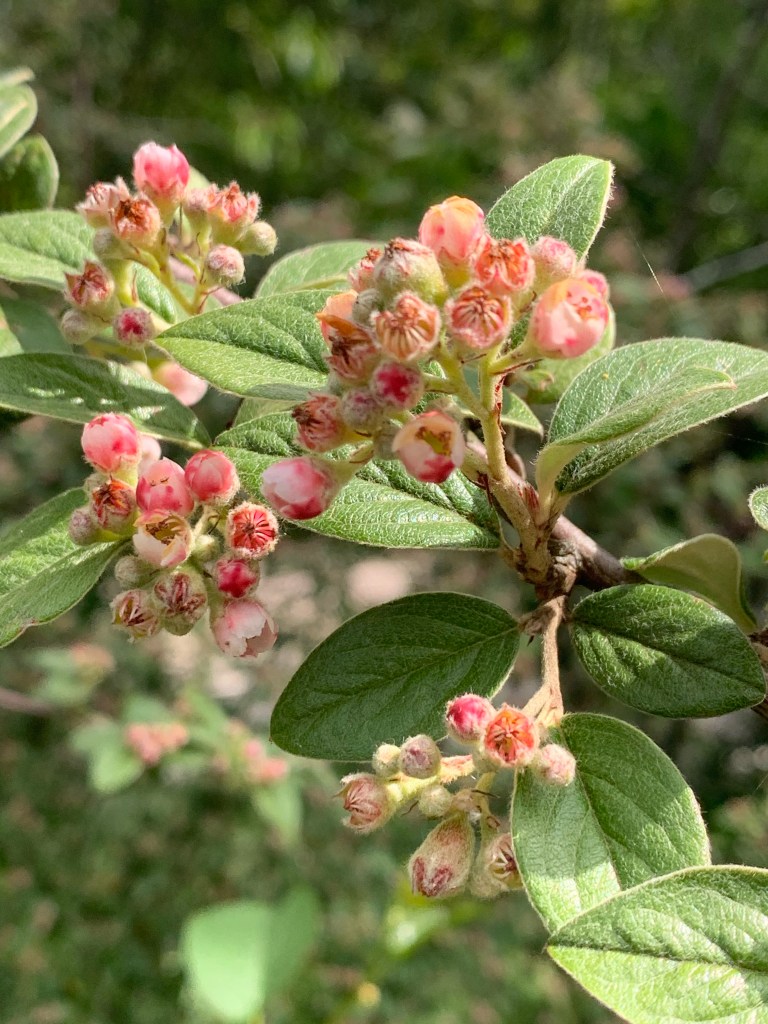
July 2nd – On the same industrial estate, a treat for the bees and bugs is blooming beautifully – cotoneaster, a stable of urban hedgerows and borders.

The tiny pink-red flowers are a bee magnet and every bush is alive with visiting insects, but not just that: These flowers turn into sugar-laden orange-red berries beloved of blackbirds and other songbirds in autumn, helping get the avian locals through winter.

Everywhere you look right now, nature is helping itself get along. It really is beautiful.

This journal is moving home. Find out more by clicking here.

from Tumblr https://ift.tt/2RQK9nR
via IFTTT

#365daysofbiking Red is the colour:

October 11th – On the industrial estate where I work, a grim, overcast morning was brightened considerable for yet another wonderful display of cotoneaster berries.

This shrub – for some reason like pyrocanthus – is beloved of industrial estate landscapers, presumably for the late colour. But cotoneaster is much more – the tiny flowers in high summer are beloved by bugs and bees, and come the cold winter days, blackbirds and other passerines will feast on these nutritious berries.

Such a welcome splash of autumn colour.

September 19th – Yet another abundance this year of bright orange-red cotoneasters, so beloved of blackbirds, who upon finding a bush, will fight off challengers, usually while another steals the sugary berries.

These bright fruits – another clear sign of autumn – line hedgerows, cycleways and towpaths, and seem a very popular bush to plant on industrial estate verges, which is good for birds and bees alike.

October 1st – Nice to see the cotoneaster going bright orange-red now. This pea-sized berry is unpalatable to humans, but songbirds, particularly blackbirds, love the sugary berries, and having found a bush, the blackbird male will fight off any challengers who would raid his winter larder.

A lovely splash of colour in autumn’s otherwise yellowy palette.

August 6th – Whilst it’s always a good year for something, it’s also always a bad year for something else. So far this year I’ve yet to see a single hazelnut, and horse chestnuts don’t seem terribly profuse. Acorns too, seem in short supply.

Likewise, cotoneasters – beloved of blackbirds and other berry-eaters for their high sugar content seem to be having a thing year. There are plenty of ripening fruits on the branches, but they’re thin and small, caused by the lack of heavy rain I guess.

They also seem to be ripening rather earlier than usual, too. Maybe they’ll fill out in time.

December 19th – I don’t know why I think this, but I always consider cotoneasters a Christmas plant. The bright red-orange berries are a favourite with blackbirds who will strip a bush in days, all the time protecting it from the hungry beaks of other birds.

Something odd is going on though. Last year, there were huge bounties of such berries still on the bushes well into spring, seemingly barely touched. This year, these I pass on the way to work are already nearly stripped. This seems to be the same everywhere.

Why? Was preferential food available in abundance last year? Perhaps not so many blackbirds? Did something about that previous summer make the orange fruit less nutritious or maybe unpleasant?

Really puzzled by it.

October 17th – The morning commute was damp, and a little drizzly, but it brightened up as I neared work. On the way, I noted the assortment of hips, haws and berries, glistening with raindrops. For the hedgerow fruits, it’s been a bountiful year, and the birds certainly have plenty in the larder right now.

A fine autumn; best I can remember for many a year.

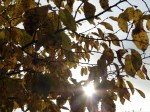
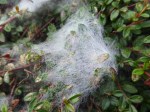
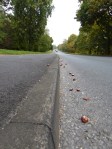
September 30th – Once you get used to the idea (and it does take me a good while to do so), Autumn is beautifully enjoyable. The colours are astounding. Everything from fallen conkers, to bright orange berries, to golden leaves and dew-collecting spiderwebs makes it beautiful to be riding right now.

All on one short section of road on an industrial estate.