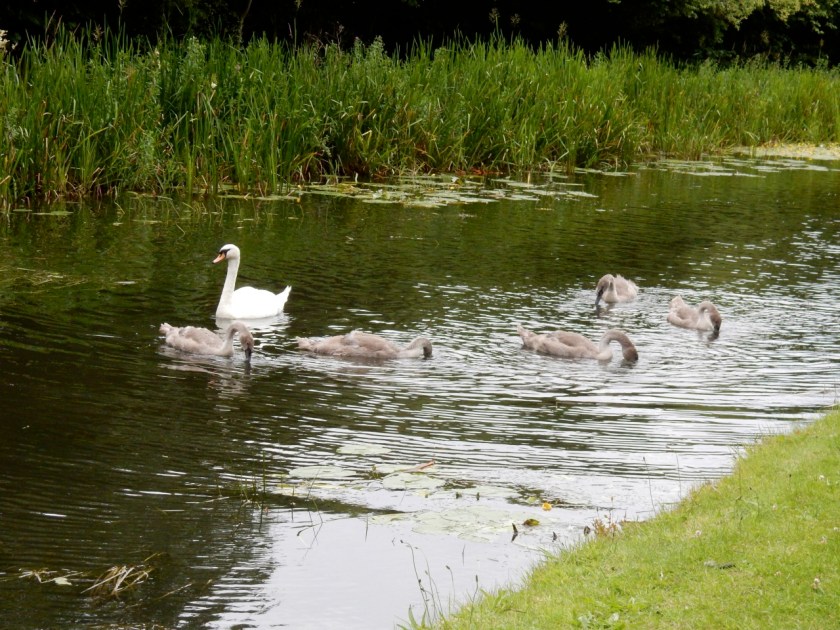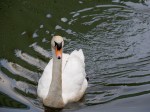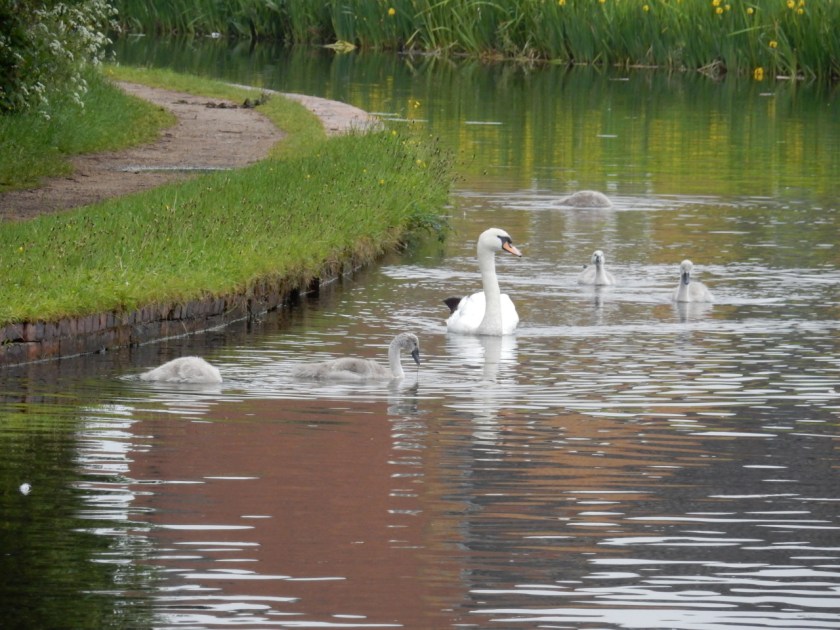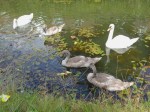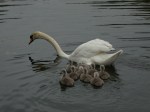
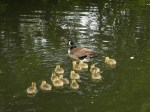
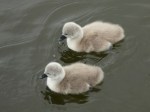
May 13th – Returning to Brownhills, I noted the new families are arriving thick and fast. At Catshill junction, a pair of proud Canada geese with a huge brood of 13 goslings, all seeming in good health. At Silver Street, the Watermead swans have 9 cygnets – all busy little balls of grey fluff.

I love to see the waterfowl breeding, and the antics of the chicks.
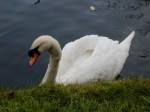
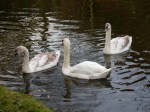
November 23rd – It was a bitterly cold morning – or at least, it seemed like one after the unseasonal warmth of recent weeks. Cycling down to Darlaston on the canal, I was accosted by some familiar hoodlums.

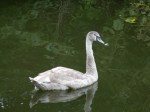
This is the only family group of this year’s swans I think are sill together, most having joined larger local flocks. They looked in rude health though, and gave no answer when I asked if they were cold.

They soon lost interest when they realised I had no food…

September 24th – For the first time this week, a really decent day with lots of sunshine, but the cold is creeping in – it barely crept over 16 degrees all day. 

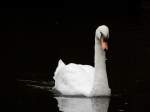
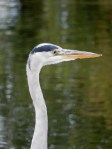
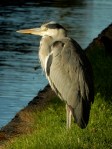
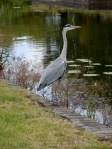
The birds on the local canals didn’t mind, though – the Walsall swan family were, as usual, hustling for treats, but the herons – a twtchy young gun in the morning and a more relaxed, slightly mad looking elder hand in the evening – were stubbornly self-sufficient, as ever.

I love to see these guys. They fair made my day.

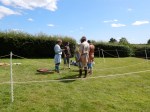
July 19th – Another hectic day, and still not feeling exactly chipper, I spun again to Chasewater to catch a summer fair there,, and the speedboats. From there, I shot over to Wall to take a quick shufty at the Letocetum fun day – where the ancient Roman remains here were surrounded by re-enactors, stalls and activities. I wished I’d got there sooner; it looked like a fun, and very, very English summer event.

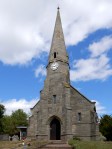
Wall is a gorgeous little place and the church overlooking the Roman site is just wonderfully historically prescient. The antiquity is free to visit and open all year round. Its well worth a visit.

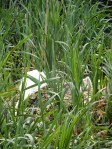
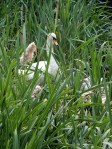
June 15th – Here’s something that’s got me wondering: the Pleck swan family are back to their nest. These are the group I saw, who after hatching their eggs in the disused canal arm found themselves being intimidated by the heron. Next day, they’d gone. I never saw them again, but heard they’d scooted off to Moxley, a few miles up the canal.

Well, this morning, they were back: I was alerted by the dad patrolling the open water outside the arm, while mum was nest rebuilding with at least two little ones. When I last saw them, I counted four cygnets; if they’ve lost two, that’s sad, but no so bad.

I have no idea what they’re doing back at the nest and invite comments. Good to see them getting on, though.

June 13th – So, the Watermead cygnets are down to five – this is definitely the family, spotted today near their nest. They started with seven and have lost two, which isn’t too bad – most likely to predators of some sort. The youngsters are growing well and seemed happy and healthy (as far as I could tell, anyway).

It’s so good to watch the local wildlife mature like this. You almost develop an attachment to the birds as they get older.

December 27th – The birdlife at Chasewater carries on with little regard to the weather. The robins, blackbirds and tits flitted around, hunting for food, and on the lake, the waterfowl – from coots and grebes to swans – loafed and preened as usual.

I must read more about swans and their social behaviour. I note adults and cygnets from last summer still hang around together, though in much looser, informal-seeming groups. A few days ago I saw all seven of the Catshill brood on the lake by the north end of the dam together with mum and dad; but often, I just see one adult and on cygnet, or groups of solo cygnets.

It’s almost like they’re still family, but go their own ways and meet up later. They really are most fascinating birds, and I really should learn more about their habits.

October 4th – In Goscote, what I know as the Pelsall swan family. Dad and a couple of cygnets lost to, in all probability, a fox, the tree remaining young and mum seem to be doing well, and it was good to see them.

Noticeably more friendly that the Catshill brood, they came to see if I had food, before scudding away when they realised none was coming. 

I haven’t seen the Catshill swans for ages, but the Swan Lady pointed out there were cygnets on Chasewater there now, so they’ve probably joined the wider flock there.

Following these lovely birds this year has been a real joy.

July 29th – Sorry, more cygnets. I didn’t know about these, but taking a desperate dive onto the canal to avoid traffic madness on my way to work, I passed this family of three and parents in Pleck, Walsall. 

They interested me particularly, as the young are clearly starting to develop white plumage, yet look younger than the Catshill brood (they’re smaller, too).

The adults don’t look any different, though…