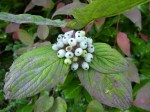
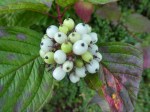
August 1st – So, it’s August and we’re coasting steadily through high summer into autumn, as signified by a rash of sudden fruiting; the harvest has started and has been paused due to rains – but everywhere, blackberries are darkening, apples are swelling, berries are becoming plump and all manner of hips, haws and funny are maturing nicely.

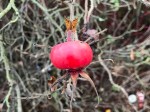
On my way to work on a pleasant, sunny morning, I noticed the crimson red of hawthorn berries darkening in the hedgerows and thickets. Bitter and woody, these berries will last long enough to carry many songbirds through winter.

I just have no idea where this year has gone…
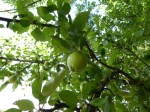
July 28th – A sunny morning, but dreadfully wet return from work made for an odd day. I’m increasingly aware now of summer and time marching on and this shows in the shift from flowering to fruiting.

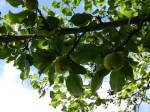
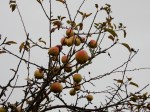
The apples near the scrapyard at Bentley Bridge are looking wonderful again this year. Such a shame nobody can get close enough to pick them!

Looks like it’ll be another fruitful autumn…

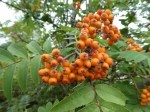
July 10th – Nice to see the rowan, or mountain ash berries ripening well, adding a welcome splash of orange to hedgerows, verges and thickets.

A useful berry, it can be used to make jam or wine, and birds love it.

Can’t help feeling a tinge of sadness hough that this new arrival signals a notch further towards late summer and the fruiting season.

June 12th – One of the stars of high summer is the humble blackberry bramble flower. Never less than ragged, these fragile, prolific blooms are very common and seldom studied – but they’re a haven for bees and bugs, and add a lovely texture to wastelands, thickets and hedgerows.

And later, hopefully a huge crop of luscious dark fruit, just right for pies and crumbles, not no mention wine!

December 19th – It may be deepest winter, but along the cycleways and towpaths there are still tenacious hips, haws and berries clinging on to sparse shrubs and trees providing food for songbirds, who seem to be devouring them now with a passion not shown in many a year.

Grandad used to say that if there was a profusion of fruit, it meant a bad winter was in store. I’m not sure about that, but the birds do seem to be stocking up for something this year.

I wonder what they know we don’t?

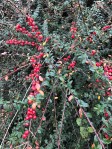
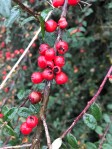
December 15th – The cotoneaster this year seems to have not been doing so well. These bright red berries, beloved of blackbirds, are normal evident in profusion along urban towpaths, footpaths and cycleways, but for some reason are heavily planted on industrial estates.

This huge bed at Moxley is normally a sea of red-orange at this time of year, with a permanent fluster of wings and beaks. But not this year; I’d say the crop is abut 30 percent of it’s normal size.

Whilst my grandfather used to say ‘it’s always a good year for something’ I guess the reverse is true and this just wasn’t the cotoneaster’s year.I hope it’s not cold otherwise the blackbirds may struggle.

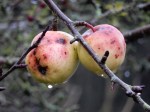
November 23rd -Noticed in light drizzle just by the far side of the canal, on the edgelands of a scrapyard near Bentley Bridge in Walsall: apples, so far out of human reach, they’re rotting off the tree – food only for birds, squirrels and foxes.

Dripping with winter rain, I guess they’ll stay until the next really heavy wind.

Sad to see. I wonder if they’re tasty at all?

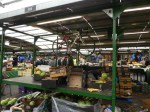
October 21st – A free afternoon in Birmingham was fun, rooting around the markets for fruit, veg, shellfish and other treats. On the fruit market itself, one stallholder only selling melons stored his rather lovely Orbea road bike in an innovative way I had to admire.

Also admiring was the young musician, guitar case in hand, photographing the wonderful Bowie artwork by Anna Tomix near the Smallbrook Queensway bridge. I think David Jones would approve of that imagery.

An afternoon in Brum is never wasted. And the shellfish was superb.

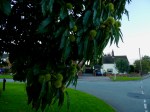
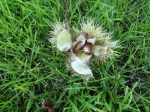
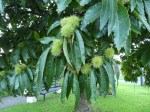
October 10th – Another abundant crop is the sweet chestnuts on the tree at the bottom of Main Street, Stonnall, which are now ripe and falling to the ground. This is always a productive tree, and the soft, downy insides of the husks contrast with the intensely spiky, hostile exterior, but it does look oh so cosy to be a sweet chestnut. 

As usual, the nuts are not big enough to eat, as the fruit doesn’t grow well in the British climate, but the tree is stunning and an interesting, handsome curiosity.