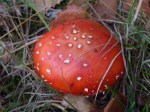
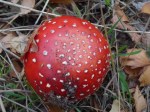
August 25th – One good thing about the coming autumn is it’s the fungi season. I love all manner of the mycology – toadstools, puffballs, mildews, moulds, brackets and more. I love the fact that what you’re seeing isn’t the organism itself, just the flower and that the parent life form can be huge and underground, with maybe dainty little caps showing. I also love the lifecycle, speed of change and development.

These examples were at Penkridge Bank, on Cannock Chase. Bring it on.

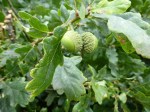
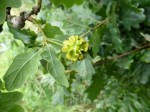
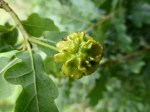
August 19th – The oaks are faring better this year for acorns. Last year, the crop here by the canal at Clayhanger, and over on Brownhills Common, was ravaged by knopper galls, which turn the oak fruit into odd-shaped aberrations that are home to the larvae of a tiny wasp. Thankfully, I could only see a handful of such curiously distorted acorns on this tree, which had a healthy looking crop of normal fruit maturing nicely.

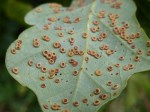
What the tree was suffering, though, is unknown but fascinating. Leaves had inverted, and the undersides were covered with an annular ring, clearly left by fungi or some insect or other. They look like tiny breakfast cereal pieces, but are obviously killing the foliage.

Do any passing arborialists know what they are, please?

October 8th – It seems to be a good year for fly agaric, the classic fairytale toadstool. They grow near birches and I’m usually lucky to see a handful or so – this year they’re all over the place. These excellent specimens were spotted on the heathland near the spillway at Chasewater, between the canal and the dam road. Considered toxic, and used as a hallucinogen in some cultures, these bright fungi have an otherworldly aurra, even odder when you consider that the white spots drop off as they age. Nature: always doing stuff just to get attention.