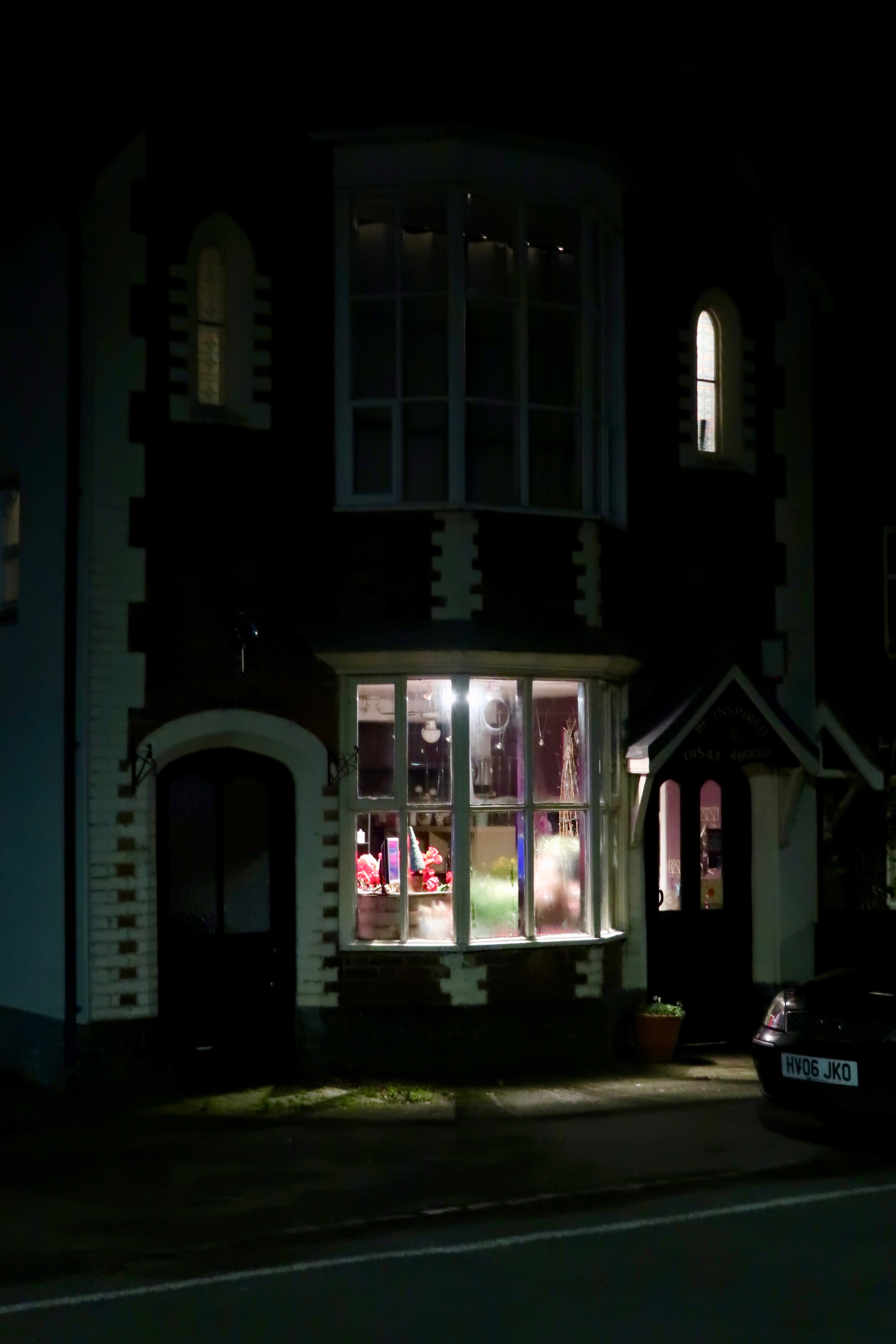
#365daysofbiking Village lights

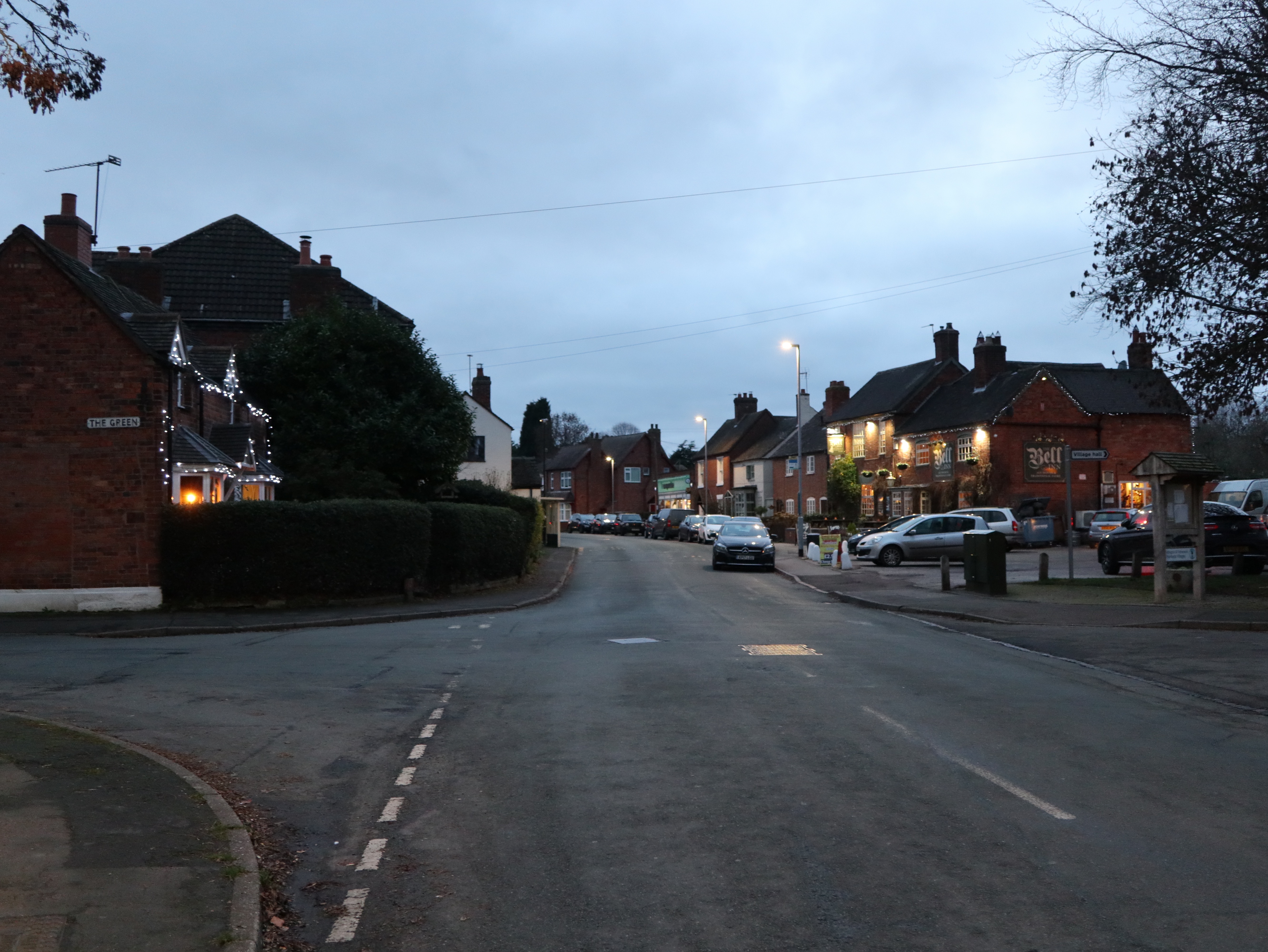
December 30th – A spin out at dusk to Lichfield and beyond was lovely. Although I’d vowed (and promised) to rest I was going stir crazy and the chin fever was mounting. I had to get out.

The late afternoon spin – out to Lichfield, then Whittington, down the canal to Hopwas and back up the old A5 to Weeford and then through Shenstone.

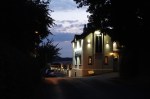
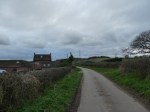
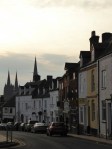
The villages of Whittington and Shenstone were glorious and pretty in the descending night. A real joy to the heart.

For anyone planning to ride between Hademore and Hopwas on the canal – beware. The towpath, which is just packed earth and unsurfaced – is clearly being used for a horse gallop and is very hard going on a bike. Beware – it’s muddy.

This journal is moving home. Please find out more by clicking here.

from Tumblr http://bit.ly/2At59d3
via IFTTT
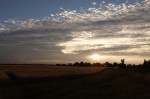
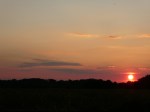
July 21st – In a slow potter back through Walton, Croxall, Edingale, Darlaston and Whittington the sunset was gorgeous, make better by some really great cloud formations.

The Trooper at Wall always looks great at night, too.

Couldn’t help notice though that the darkness is now coming on earlier and earlier. Autumn will soon be tapping me on the shoulder…

March 12th – Perhaps unwisely, I continued on a ride I’d done many times – Down through Stonnall, Shenstone Woodend, Canwell, then to Hints, Hopwas and Whittington via the canal; from there back over Common Barn and the heath to Weeford and back home via Shenstone. It’s a short ride. I know it like the back of my hand.

I struggled and fought. 

At Shenstone on the way home, it felt like I’d never reach home. When I did get there, I was in bed well before midnight.

All this was a shame, as spring was showing the way; lambs were in the fields, the weeping willows were coming into leaf and daffodils marked every verge, hedgerow and garden. It really was beautiful.

Shame I felt so rotten.

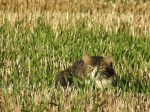
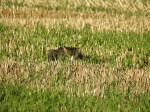
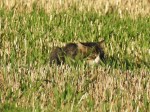
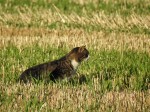
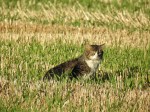
September 25th – I spotted this handsome cat loafing in a field of stubble at Hademore,near Whittington. He was some way away, and the camera brought him nearer. His antics were fascinating; one moment he was hunting, on point, then having a scratch, then dozing.

I watched him for ages – a lovely cat clearly enjoying his territory. `I think he was every bit a star and someone must love this puss very much.

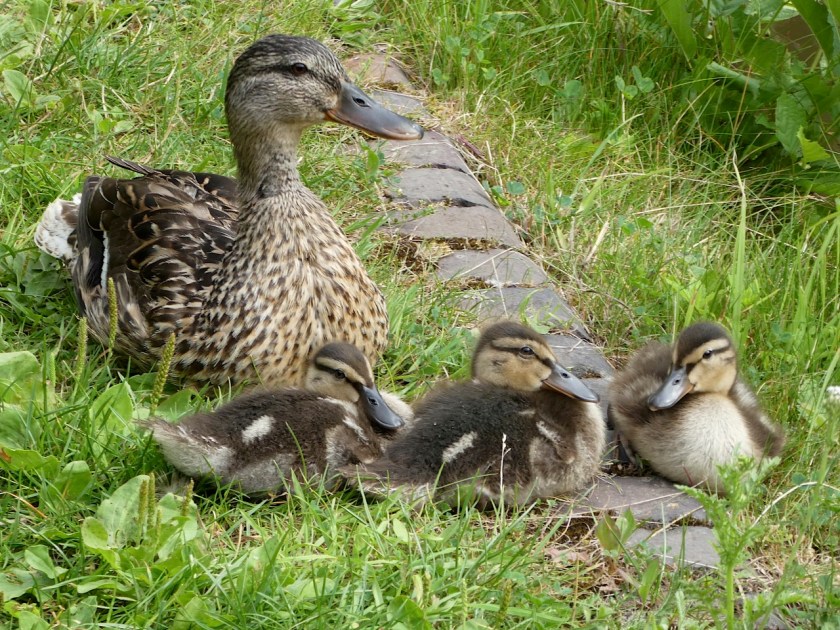
July 23rd – Spotted on the canal near Tamhorn Park, between Hopwas and Hademore, this late brood of mallard ducklings. Mum wasn’t nervous and tolerated me quite close, and the little chicks were relaxed and content.

I love the fact that umma almost, Mona-Lisa like seems to be smiling. I must stop anthropomorphising animals, but she seems very pleased with herself.

There are few things cuter than ducklings, after all.

May 29th – A day of remarkable colour and beauty. I set off in the early afternoon for a ride not really sure where I was going, but headed to Middleton Hall for fuel in the form of tea and cake before heading southeast into the wind, over to Ridge Lane via Kingsbury and on to Mancetter, a place I haven’t been for years. From there, out to Sheepy Magna, then Orton on the Hill, up to Twycross and then down Salt Street to No Mans Heath. Returning in a glorious golden hour via Clifton, Harlaston and Whittington, the sunset over the railway at Hademore was remarkable.

It was a long ride but I felt power in my legs and really, really enjoyed it.

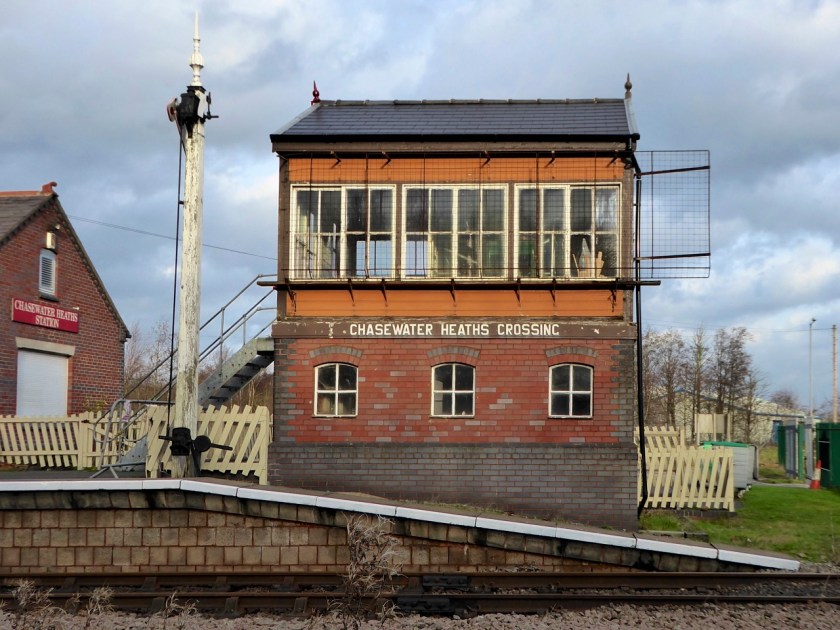
December 26th – The signal box on the preserved railway ay Chasewater Heaths is wonderfully authentic – because up until a few years ago, this signal box stood monitoring the level crossing that existed at Hademore, near Whittington in Staffordshire. 

When that line was expanded to four tracks and the signals upgraded, the level crossing was replaced with a bridge, and the box transferred to Chasewater Railway. I’ve actually spoken to the signalman at Hademore whilst waiting for the barrier out on a ride many times. It’s odd to see it here.

Never went a bundle on the colour they painted it, either; it was always white, not orange.

April 5th – A ride marked by the growing trend towards renewable power. At Thatchmoor, a huge wind turbine turns slowly in the afternoon breeze. Beautiful, elegant and awe-inspiring, I love these silent harvesters of the wind.

Yeah, bring it on. I’d love one in my garden. Hell, make that a whole wind farm….

At Hademoor, huge solar panels rotate as the sun moves through it’s daily arc. Much as I adore Rugeley, it’s clear to see that power generation of the future will be working with, rather than against nature in the decades to come.

I’m glad to see it.

April 21st – Not a bad bank holiday, all-in-all. It started grey, but by the time I got out at 2pm the weather was brighter and warmer than it had been for days. It was hazy, and the sun was breaking through occasionally. I headed out to Harlaston again – but this time, I went by a direct route, and at Clifton Campville, headed to Lullington and Coton in the Elms. From there to Rosliston, then back along the Trent and Tame to Lichfield and home.

The north-easterly was a grim wind to head out into, and it was quite a battle, but it was nice to have it behind me on my return. 

Note that the cherry blossom in Whittington – the top picture – is a good two weeks earlier than a similar picture I have from May 4th, 2010. It certainly has been an early spring this year.

December 29th – I stopped by at Hademore on the way back. This sleepy hamlet was once a cluster of farms, houses and an explosives depot (yes, really) surrounding a level crossing. Now, the crossing has been removed. Some railway cottages were demolished in the upgrade of the line, the old signal box moved to Chasewater, and Hademore found itself riven in two by the railway and bypassed by a loop of horrid road with an equally abhorrent utilitarian flyover.

There is great history here – on the long road from Whittington to Elford the Marquis of Donegal had his house, Fisherwick Park, and the surrounding grounds were designed by Capability Brown. They were all carried to dust, however, when in 1810 the estate fell into the possession of the Howards of Elford, who ploughed up the lawns, demolished the hall and converted it all back to farmland.

A few relics remain, including the big old gateposts that stand here, moved from a site nearby when the railway would have ploughed through them itself. 

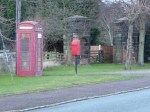
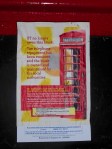
The other relic on this once-busy road is the Post Office K6 red call box; now with it’s phone removed, it still has a working light, shining like a beacon in a shorn hamlet that nobody passes through anymore.

I guess this is just the sadness of things.