#365daysofbiking An ever present weevil

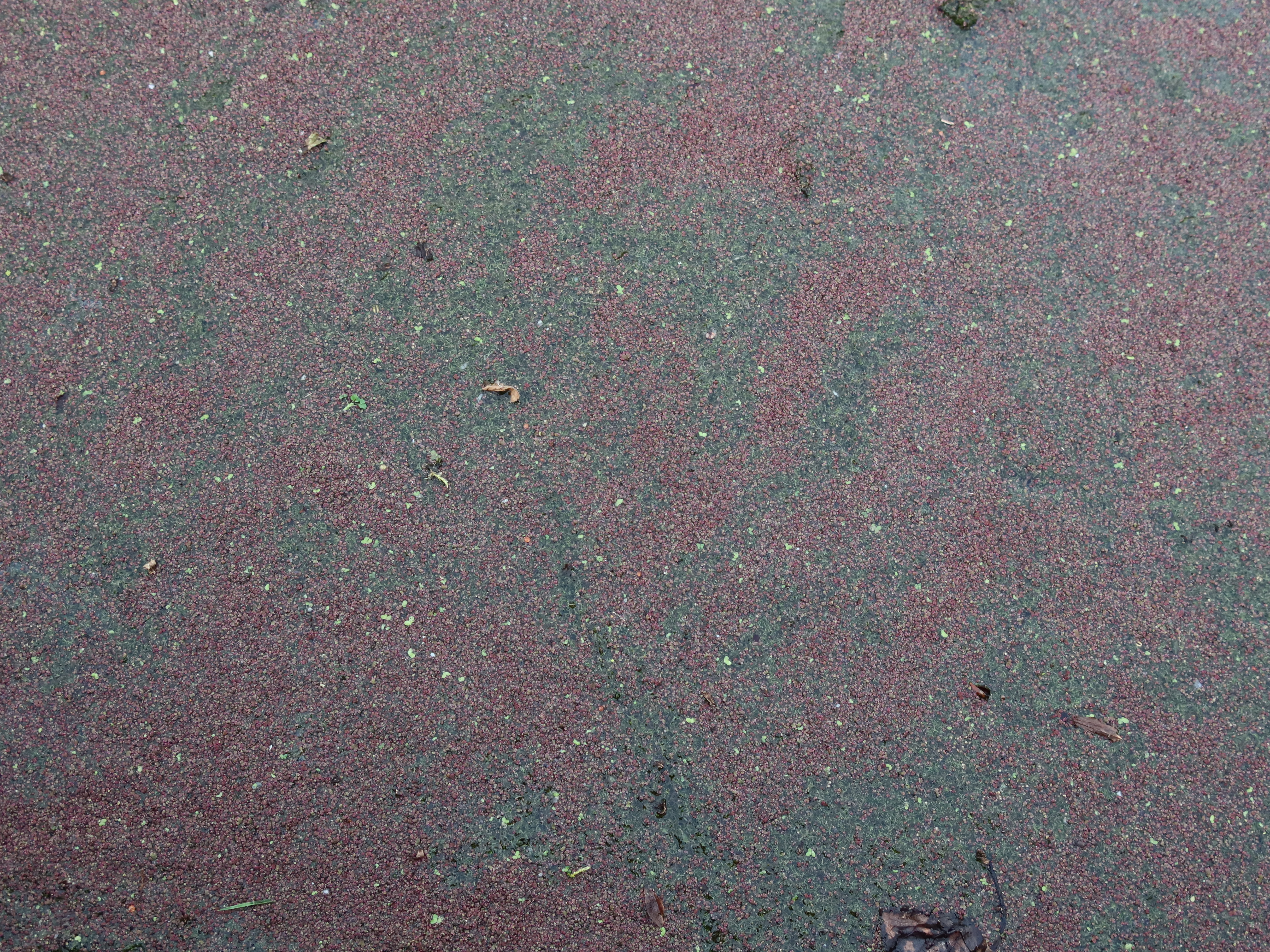
March 21st – Saturday morning seemed brighter. A quick spin up the canal on an errand, and I noticed the azolla bloom – the green scum that’s been on the surface of the canal all winter – was finally breaking up as it’s prey weevil attacked it. This is normal for the lifecycle of this invasive growth and hopefully the weevils will finish the job.

That made me feel a bit better.

This journal is moving home. Find out more by clicking here

from Tumblr https://ift.tt/2Vre2xl
via IFTTT

#365daysofbiking Unusual colour

February 2nd – The Azolla bloom in the local canal, and as it matures patches of the waterway have turned a deep red.

Azolla is a small but populous growth that although strange and invasive, does little harm – it will disappear in spring as the weevils gorge on it. Winter normally sees its death, but after a very favourable summer, the winter has not been cold enough to kill it.

It’s not stringy and parts easily for passing boats and waterfowl.

But it does look very unusual.

This journal is moving home. Find out more by clicking here

from Tumblr https://ift.tt/2S9pxJk
via IFTTT

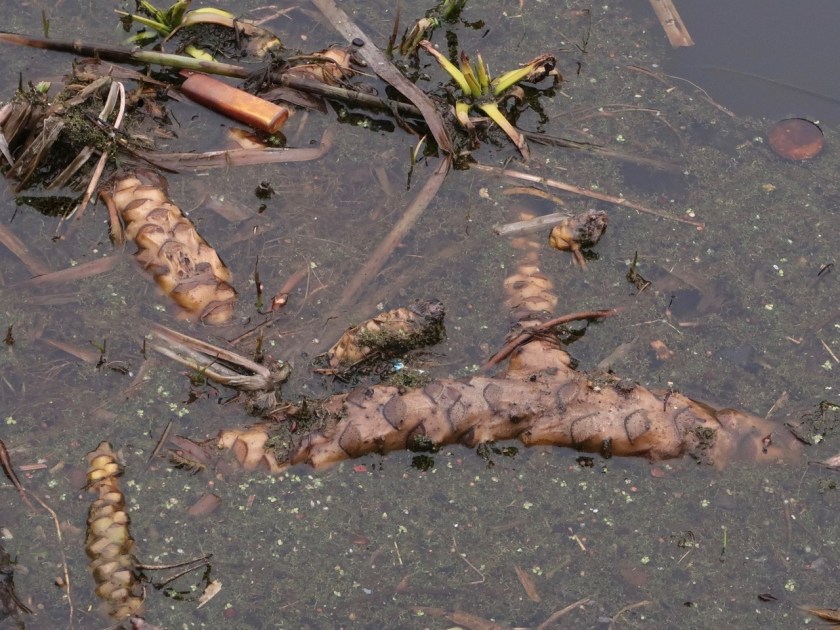
April 10th – This looks like some pretty revolting flotsam and jetsam, but it’s actually an important and encouraging sign of spring.

These knobbly, odd looking root growths are the rhizomes of the water lilies so common here on the local canals in high summer, and this is the first stage of their… seasonal deployment.

When the season ends, water lilies decay, and the stalk and root mass they grow from sinks to the canal bottom where the excess growth rots off and the stalks over winter in the mud where the water stays warmer, fragmenting as they do so.

When the waters warm in spring, renewed cell growth in the fragmented stocks gives buoyancy once more and they rise to the surface, moving freely in the wind currents and boat wash. 

In time, new growth will sprout and they anchor, growing the familiar leaves and flowers we know so well.

It’s a wonderful, and very successful natural mechanism, and a sign of an oncoming summer…

July 1st – Out and about for a ride to Elford and Croxall, I spotted that the Himalayan balsam was now in flower in many places.

An absolutely beautiful flower, but it smells metallic and unpleasant, and is an invasive species brought here by the Victorians. It now densely populates riverbanks, brooks and any damp ground, growing to a meter or two high and shading out anything beneath it.

A real, but beautiful problem.

May 24th – One of the more strikingly beautiful wayside flowers that grow pretty much as weeds along the cycleways and towpaths is Hawkweed. Ranging in colour from yellow to crimson, these are gorgeous flowers that some would view as invasive.

I love to see these every summer, and the Goscote valley is lined with them. They are a joy to the heart.

July 15th – Also a pain is the himalayan balsam. This tall, beautiful plant is growing in abundance now, and flowering strongly on damp waste ground, stream banks and the hinterlands and margins. It’s beautiful pink/white, metallic-scented flowers hide the real problem: this is an invasive species introduced by the Victorians.

The plant grows so tall and thickly that it chokes all beneath it, yet once established, like japanese knotweed, it’s very hard to remove.

The A461 Pipe Hill at Lichfield, and most of the verges to the waterworks at Pipe Hill are full of the stuff, season by season edging it’s way to Muckley Corner.

A beautiful undesirable.

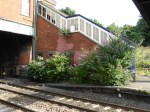
August 7th – There is a destructive force in our midst, reducing brickwork to rubble and invading any scrap of greenspace. Alien? Hardly. It’s buddleia  – an invasive shrub that infests the hinterlands, margins and rooftops of urban areas. Able to grow in the most precarious of situations, an accumulation of soot and grime in a brickwork fissure is all it takes to grow. Once taken hold, it’s very hard to eradicate, and the power of the roots to split apart man-made masonry cannot be overestimated.

This time of year, it’s in full, glorious purple flower. A joy to behold, unlike the damage it causes.