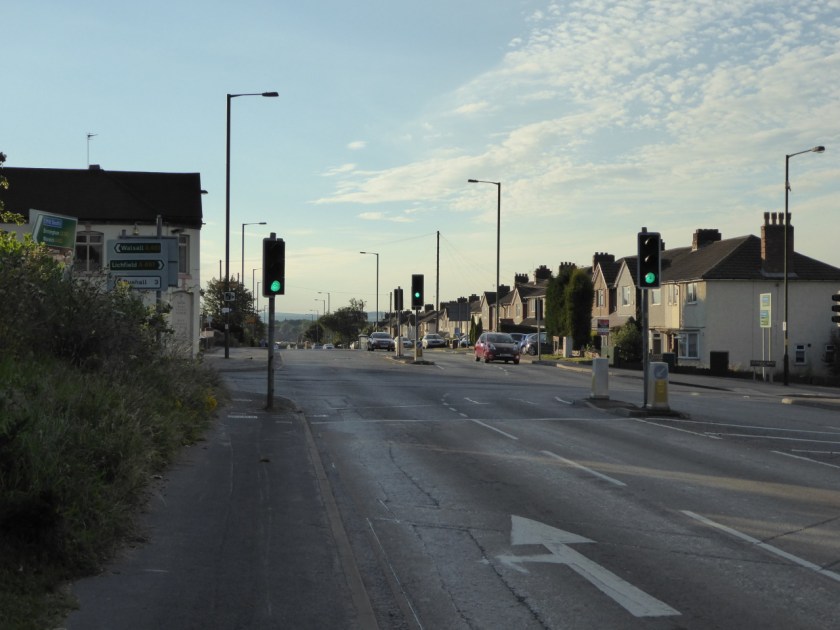
July 10th – Mission complete. It’s been a hard few days working on a rush job, and I finally handed it on now, and the crisis has passed. I returned home via Stonnall in the late evening light, almost too tired to cycle up Shire Oak Hill.

Cresting this hill – always, always hard work from any direction – is a personal nemesis and when tired, it’s punishing. But once at the top, it’s pretty much a freewheel downhill to food, rest, a good cup of tea and the welcome of family.

It’s over, for now. A great relief.
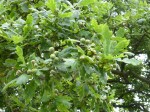
July 7th – Working late, I returned at sundown and winched my way up Shire Oak Hill from Sandhills. I noticed that lots of trees along here are laden with developing fruits – beach nuts, acorns, pine cones and these, unusually abundant sycamore seeds, or ‘helicopters’ as we used to call them as kids.

They seem to be already ripening – but this is only just the beginning of July. 

Am I imagining it, or are we heading for an early autumn?

June 27th – A hard day and an awful journey home for the last commute of the week. The trains were a mess and I came back from Four Oaks against a grinding headwind with little left in my reserve tanks. I was knackered.

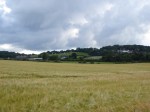
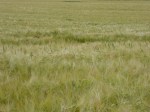
Re-armed with the camera, I spied this field of high-quality, nicely ripening barley at the foot of Castle Hill. It’s a lovely crop, with plump, large grain and will make fine malt.

I love the satin sheen of an undulating crop of barley, as it bobs in the wind. It’s one of the great seasonal sights of the English countryside. 

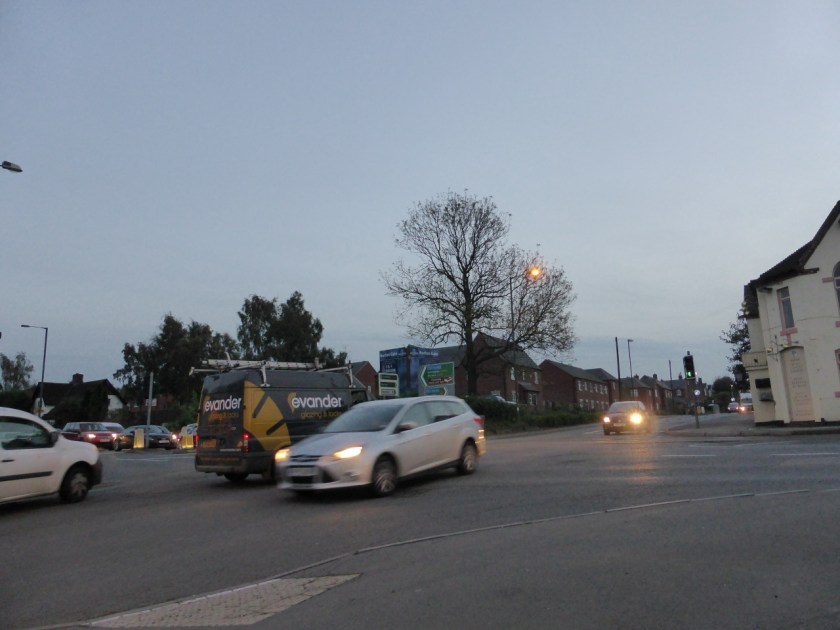
October 24th – At the other end of the day, I came back at 6pm, and noticed it was already coming on dark. I stopped briefly at Shire Oak to sort my lights out properly, and reflected on the fact that next week, after the clocks go back, I’ll be doing this in the dark. I’d better start remembering my tripod…

I hate this time of year with a passion.

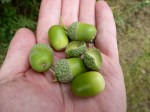
September 14th – It usually takes a while for me to become comfortable with the presence of autumn, and this year it seems worse than ever. One of my favourite things that cheers me about this cruel season is collecting seeds of the deciduous trees – acorns, sycamore helicopters, conkers, rowan berries, beech mast and so on – by the pocketful, which I then randomly scatter on the margins I find; the commons, heaths, verges as I cycle past. This kind of guerrilla seeding is something I believe in, and lots of my friends have joined in with the practice. I’m sure I’m responsible for lots of the oak saplings on Clayhanger and Brownhills Commons.

This year, there is a huge, healthy crop of fat acorns. Grab some and spread the love.

I like to help the trees, because well, the trees need support.

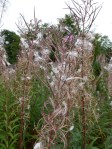
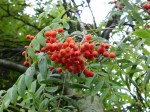
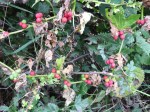
August 23rd – Spinning out through the countryside, I noticed how many plants and trees are fruiting – rowan, oak and many I don’t recognise. The willow herb is seeding, too, and it’s easy to see why it has the colloquial name ‘old man’s beard’. It’s very hard to escape the fact that autumn is now on my heels. A sobering thought.

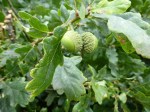
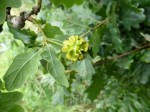
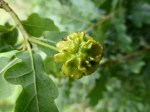
August 19th – The oaks are faring better this year for acorns. Last year, the crop here by the canal at Clayhanger, and over on Brownhills Common, was ravaged by knopper galls, which turn the oak fruit into odd-shaped aberrations that are home to the larvae of a tiny wasp. Thankfully, I could only see a handful of such curiously distorted acorns on this tree, which had a healthy looking crop of normal fruit maturing nicely.

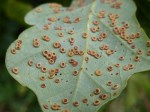
What the tree was suffering, though, is unknown but fascinating. Leaves had inverted, and the undersides were covered with an annular ring, clearly left by fungi or some insect or other. They look like tiny breakfast cereal pieces, but are obviously killing the foliage.

Do any passing arborialists know what they are, please?

August 9th – Some months ago there was a brouhaha locally about plans to manage this section of Brownhills Common by removing the conifers, which are not natural here and are damaging the biodiversity of the heath.

Many locals didn’t see what the problem was. Here its is, this afternoon, in a nutshell.

Here we have open heather heath, host to a myriad of insects, small mammals, and passing deer. The heather, grasses and small, deciduous saplings are being choked by fast-growing spruce. 

What chance does that oak sapling stand against the larger conifer shading it? If left unchecked, how diverse will this spot be in five years?

This is why management is necessary. Because if we’re not careful, the heath here will be lost, together with all the species it contains.

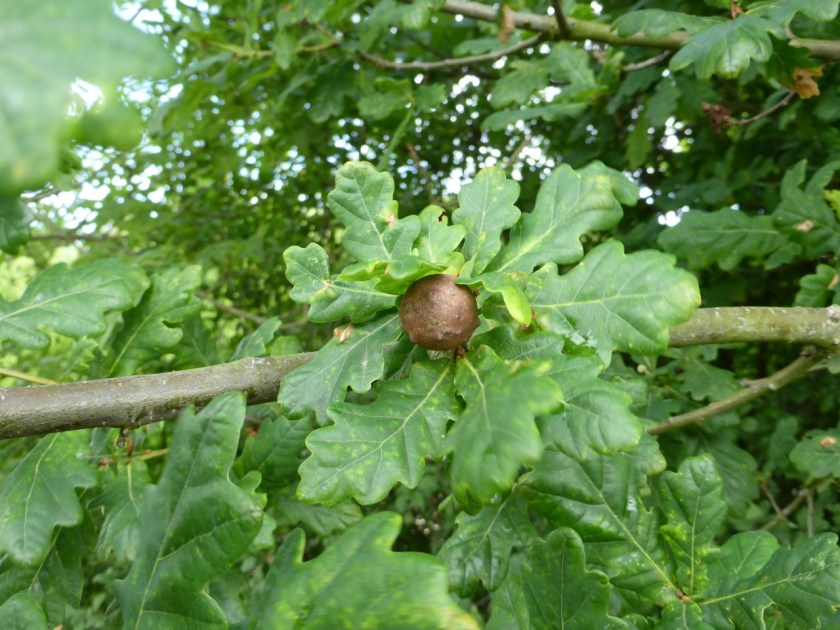
July 29th – Oak Apples, or galls, are an interesting thing. Very visible right now, they are the gall of a type of wasp that lays it’s egg inside new oak leaf buds. A chemical reaction caused by a secreted fluid causes the gall to grow, and inside, the wasp larva feeds on it, eventually burrowing it’s way to the surface and flying away.

Isn’t nature amazing?