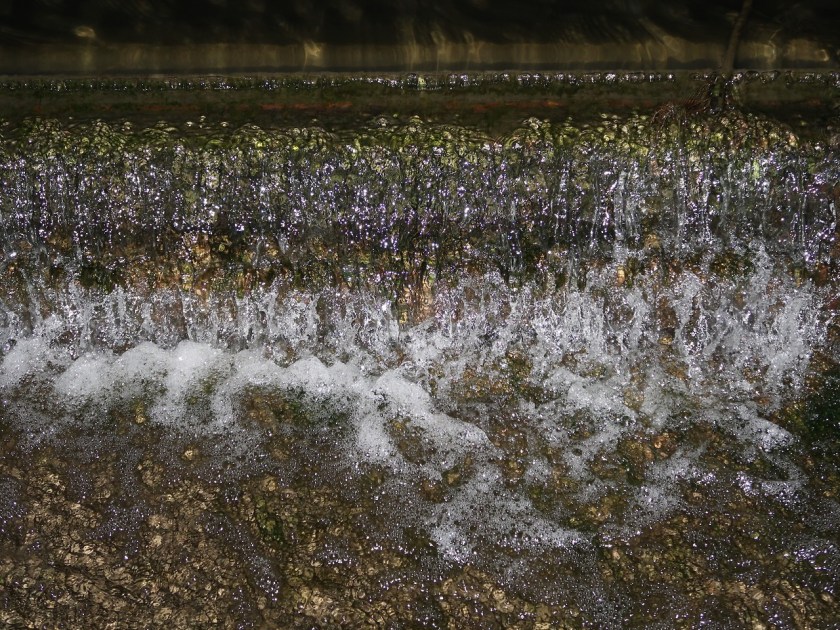
January 1st – Something odd has happened and I haven’t really register why. 

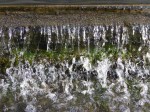
As I passed the canal overflow at CLayhanger Bridge in the darkness, I noticed it was very noisy indeed, and that the canal was really full and overtopping considerably. 

I find this puzzling – we’ve had a fair bit of rain, but not that much, surely? Or have I missed it all?

When the overflow is running at full blast it’s a lovely noise and a fascinating thing, almost hypnotic to watch.

I just can’t see where all the water’s come from…
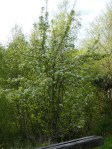
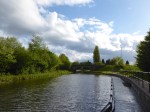
April 20th – Further on, Clayhanger Common is greening over a treat: the bench by the canal overlooking the new pond is once more watching over a sea of verdant green, and the pear tree there is in blossom, too. 

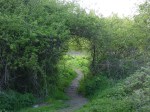
Near the canal overflow, the foliage and creeper archway over the desire path onto the common there has delightfully regrown this year, and that makes me happy. It’s a lovely accidental feature of the common I don’t think anyone’s noticed much.

Spring, you’re so welcome…

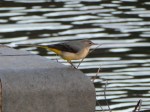
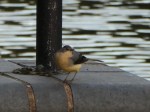
October 17th – I made it back to Brownhills in a glorious sunset golden hour, and as I passed the overflow at Clayhanger, I noticed a grey wagtail skitting about. I love these gorgeous, busy, bobbing little birds, and this one was having a ball hunting late bugs.

The skies were beautiful too. A wonderful evening.

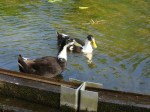
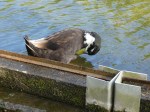
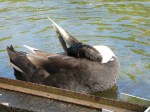
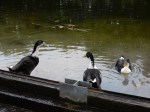
August 4th – The bachelor boys – the mongrel domestic/mallard ducks that live on the canal in Walsall Wood –  are sadly down to two now from the original four. Probably lost to age or a fox, it’s always sad to see such close groups decrease in number, and their loss was in the summer, coincidentally at the same time as the local fox cubs would have been learning to hunt.

I spotted the two remaining ducks on the canal by the overflow at Clayhanger Bridge, loafing and preening. The two were relaxed and content in each other’s company and for all the world were like an old married couple.

It’s hard not to love the ducks, although mother nature seems to consider them very expendable.

January 7th – The canal is still chewy, to say the least, particularly after another day’s heavy rain. But the overflow at Clayhanger was flowing well and made a reasonable photo, again in the bike light.

Also, at Catshill Junction, now the leaves are off the scrub, the lights of the new Courtyard development compliment Humphries House well.

Let’s hope there’s some real winter rolling in now…

October 14th – Hadn’t seen these guys for a bit, but when I passed the overflow at Clayhanger Bridge, the three crossbreed mallards were having a conflab in the shallows. It was a bit like how I imagine a Roman bath-house to be, but with ducks.

What I particularly like about these chaps is that they’re always together, and that they always seem to be smiling.

May 18th – At Clayhanger on the canal, in a much more temperate commute than my journey to work, I stopped to watch the overflow, which was overtopping well. The canal seems to have been low for a week or two, and is now back to full. I always love to see how clear the water is, such a change from the polluted soup it was when I was a kid.

So full of life and such a valuable green highway these days.

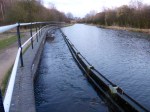
November 18th – I tried an experiment tonight, but it didn’t work that well. 15 second exposures off a tripod of the canal at Clayhanger using a tripod. The old camera used to give really great results with this, but this one seems not be as good, if I’m honest.

These photos were taken in almost total darkness.

February 20th – The week before, the canal overflow at Clayhanger had been a raging rapid of water flowing from the canal into local drainage. I posted at the time that I’d never seen anything quite like it, and I was seriously concerned over the possibility of subsequent flooding on the River Tame, when most of the canal overflows in Walsall drain to.

A far from dry week later, the flow is reduced – still high by normal standards – but gone is the angry torrent, and my fears of flooding proven unfounded. Whilst we’ve been far more fortunate than other parts of the country, it does go to show that despite massive development over the years, the local drains and water system is incredibly capacious and resilient.