#365daysofbiking New forms

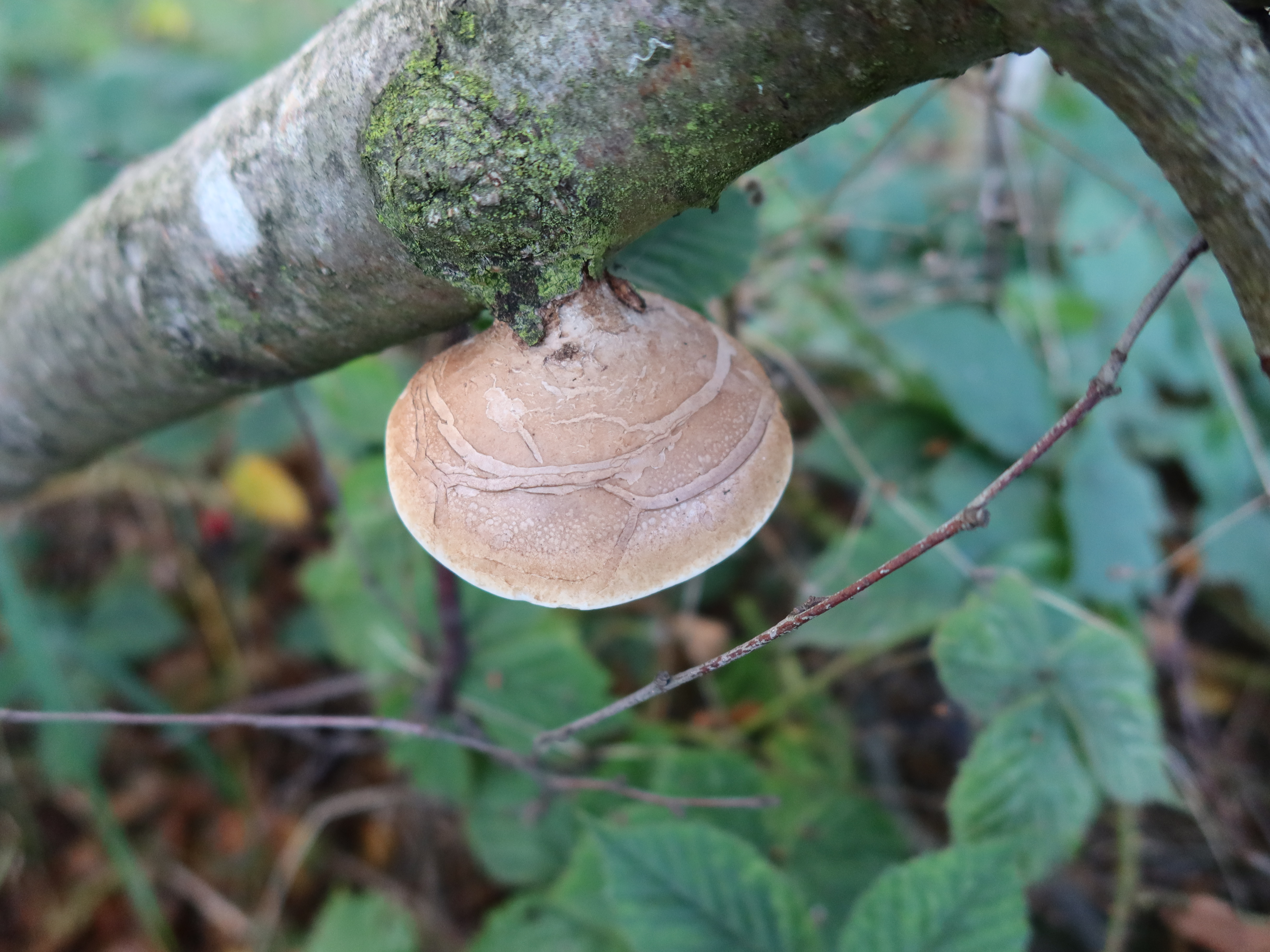
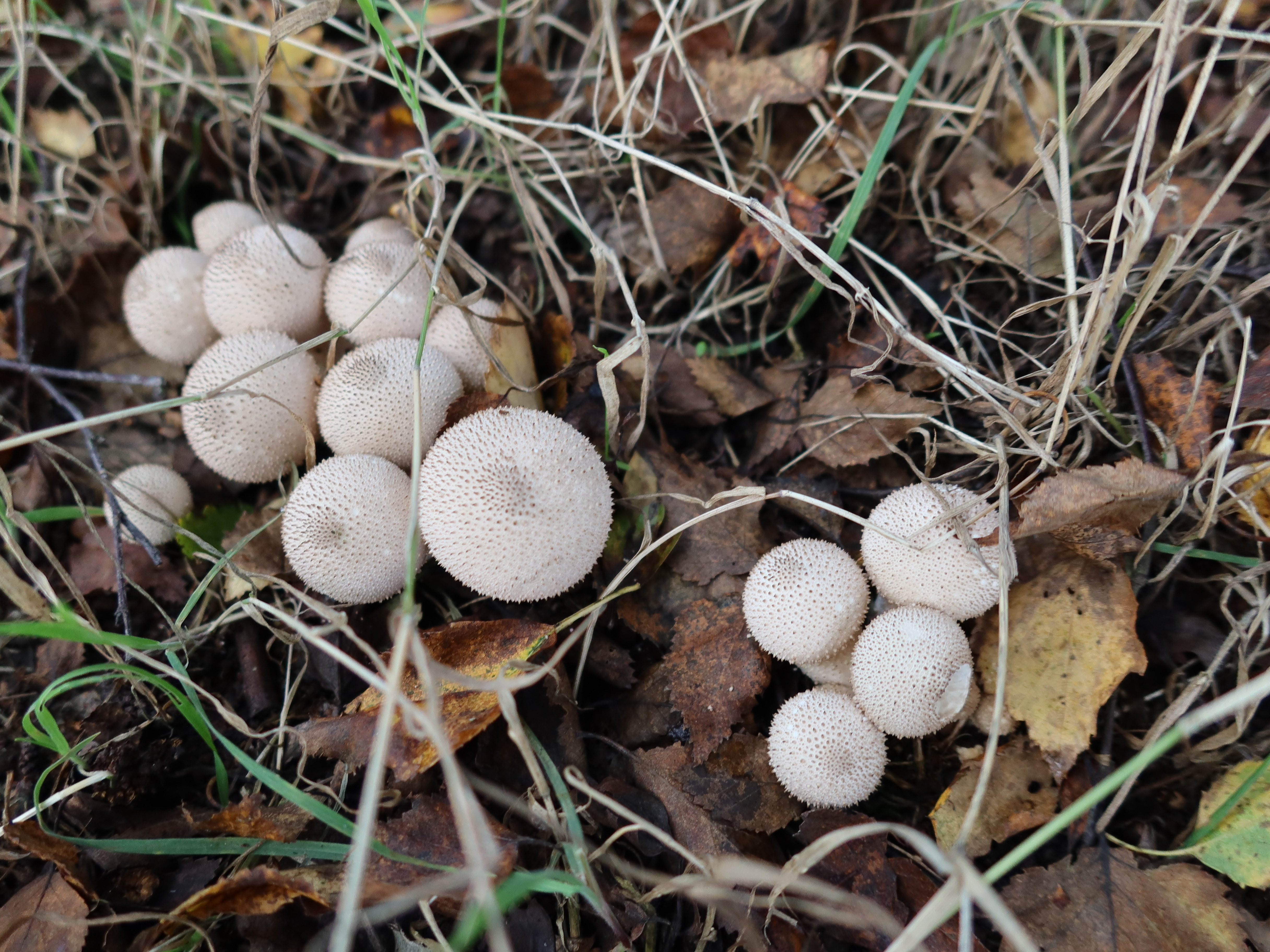
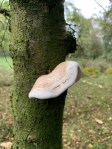
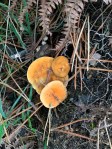
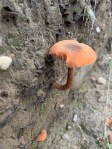
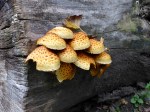
October 20th – Cannock Chase was full of really a interesting – it was the first time I’ve seen coral fungus since I was a kid, and there were a whole range of brackets, toadstools, slimes and balls to keep me interested.

Sadly the light was terrible, so few decent photos.

I’ve never known such a good season for fungus. I’m seeing things I’ve never seen before…

This journal is moving home. Find out more by clicking here.

from Tumblr https://ift.tt/2MZdk7K
via IFTTT

#365daysofbiking The spore of the moment

October 6th – Another day with the cold and no energy, but an unexpectedly fine afternoon with sunny spells. It was, however, rather blustery and Chasewater had white-topped waves beating it’s shores.

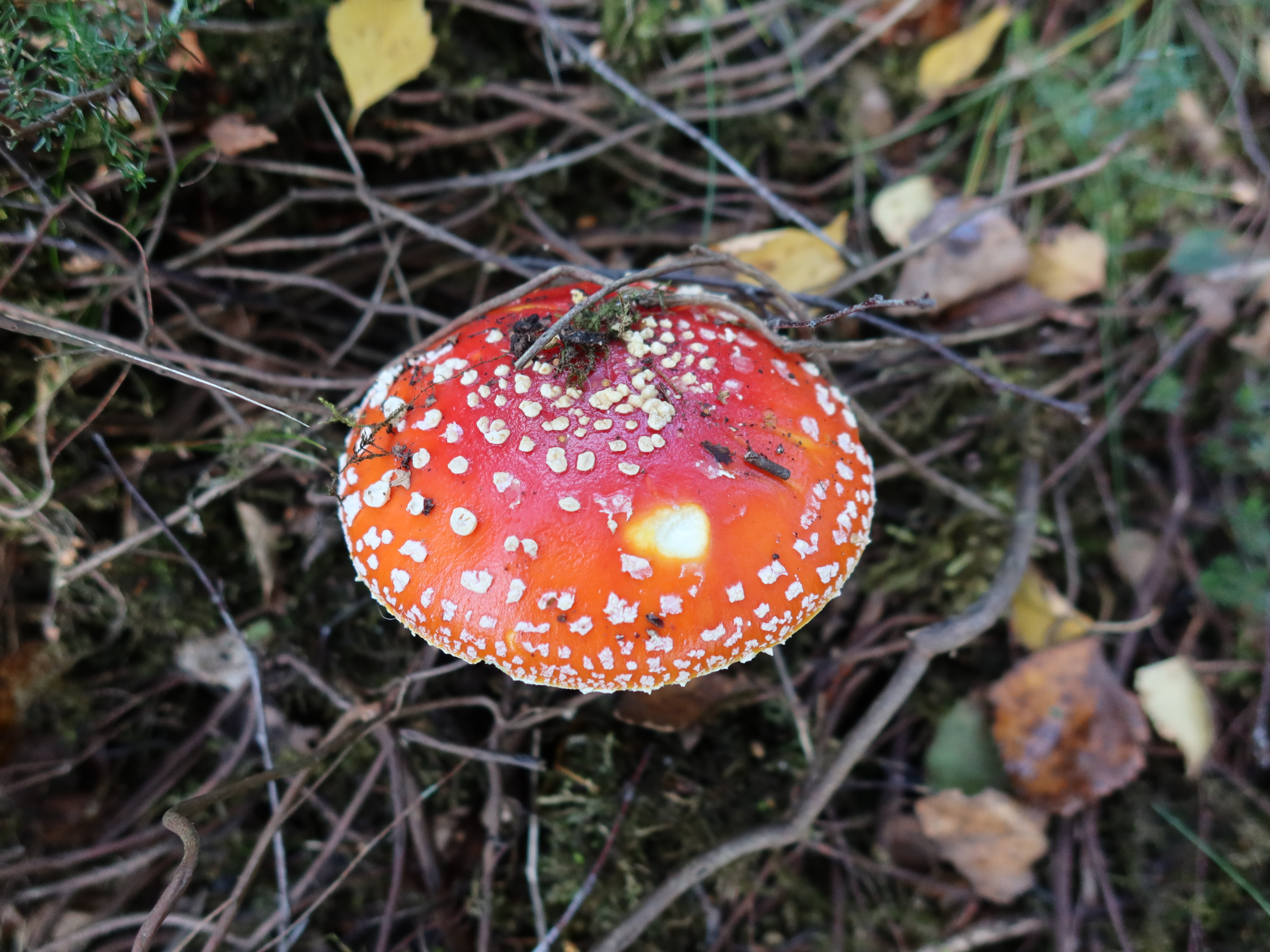
I roved for a couple of hours around the common, canals and Chasewater looking for fungi, and was rewarded with the usual suspects – good fly agaric, ammonite, puffballs, honey fungus, polypores and earth balls.

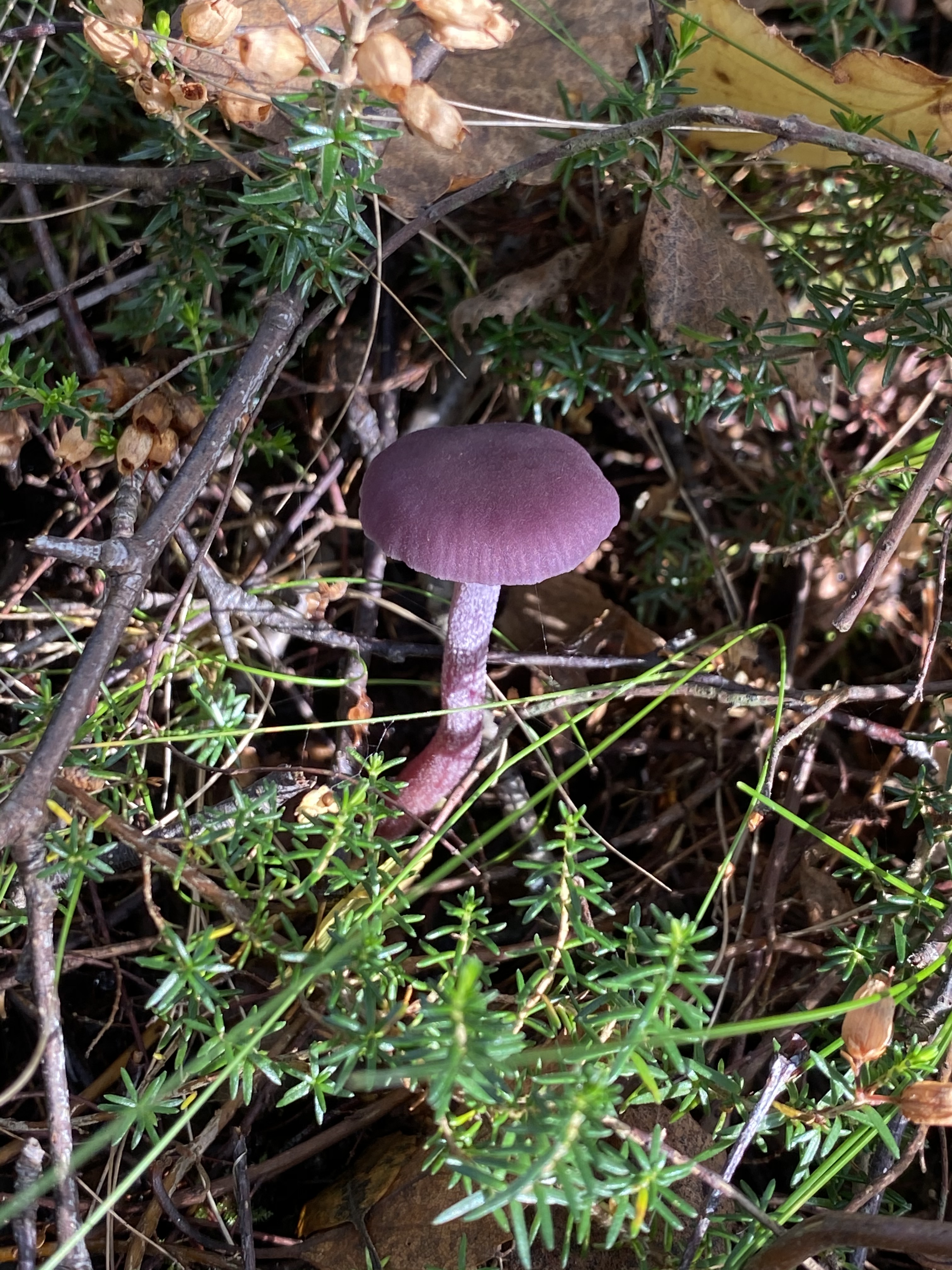
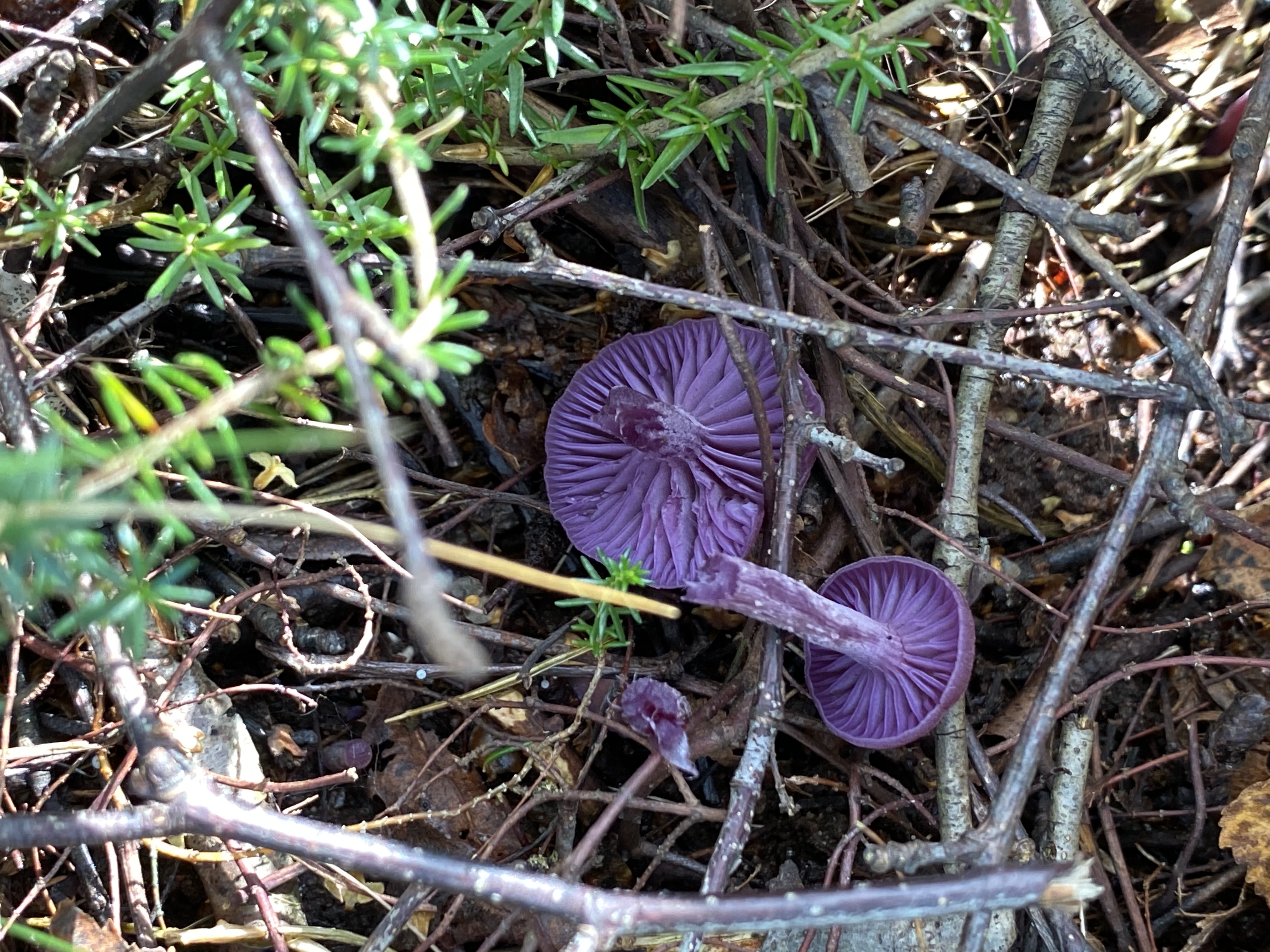
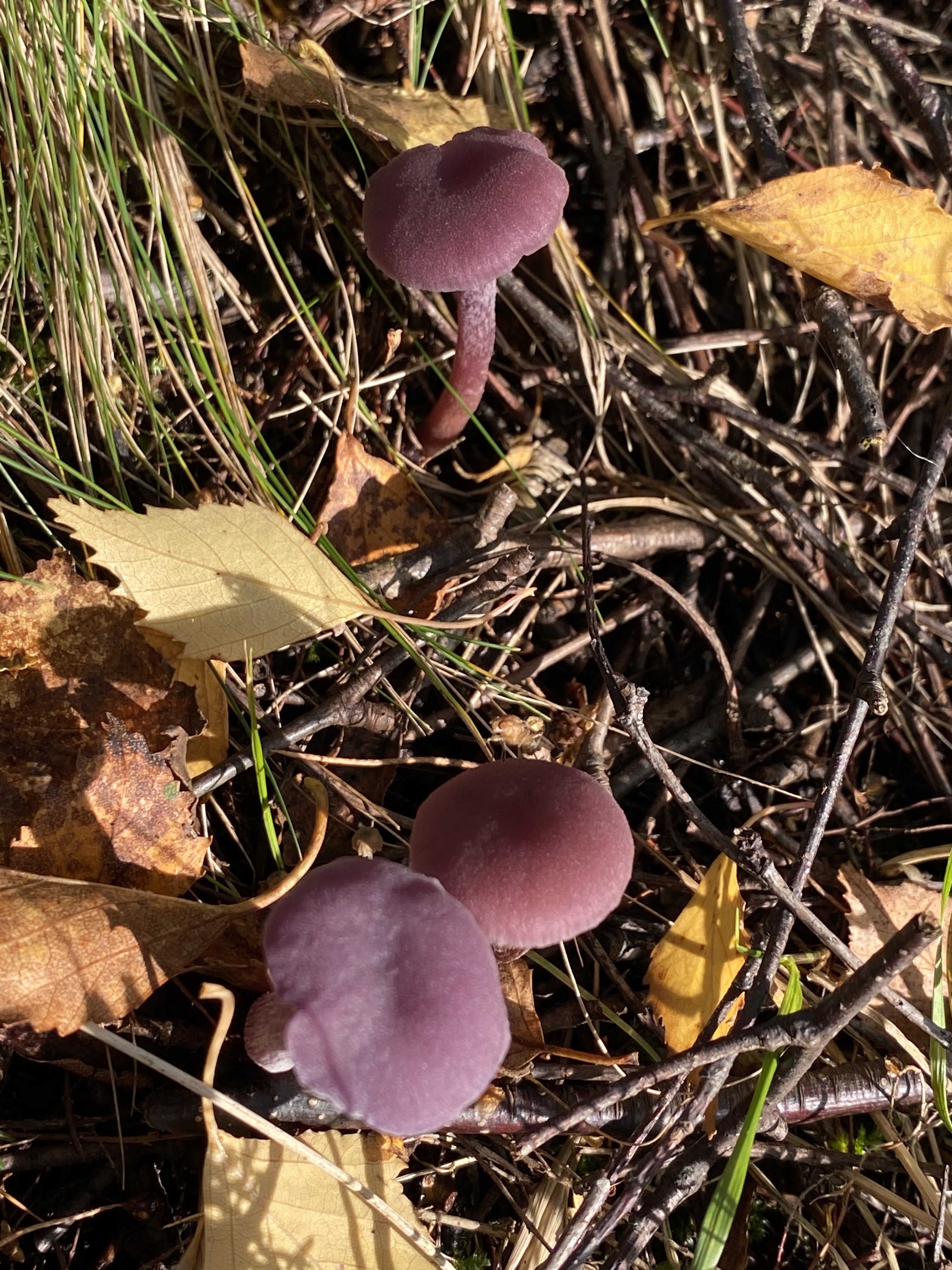
But there was one find I was most pleased with – and a species I’ve not seen since I was a child: Amethyst deceiver.

These tiny, delicate, beautifully purple shrooms are actually edible and absolutely gorgeous. Hard to spot at first, they look brown at first, until you see them in the light – then the magic happens.

A great afternoon against my expectations.

This journal is moving home. Find out more by clicking here.

from Tumblr https://ift.tt/2Ip8uxN
via IFTTT

#365daysofbiking Little gems:

October 21st – One of the best things about Cannock Chase in autumn is the fungi, and today there was a huge selection.

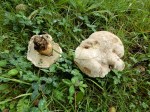
I never found the one thing I wanted to see – orange peel fungus – but I saw lots of great other types from polypores to boleta.

It’s always worth stopping and looking at that unusual flash of colour in Autumn.

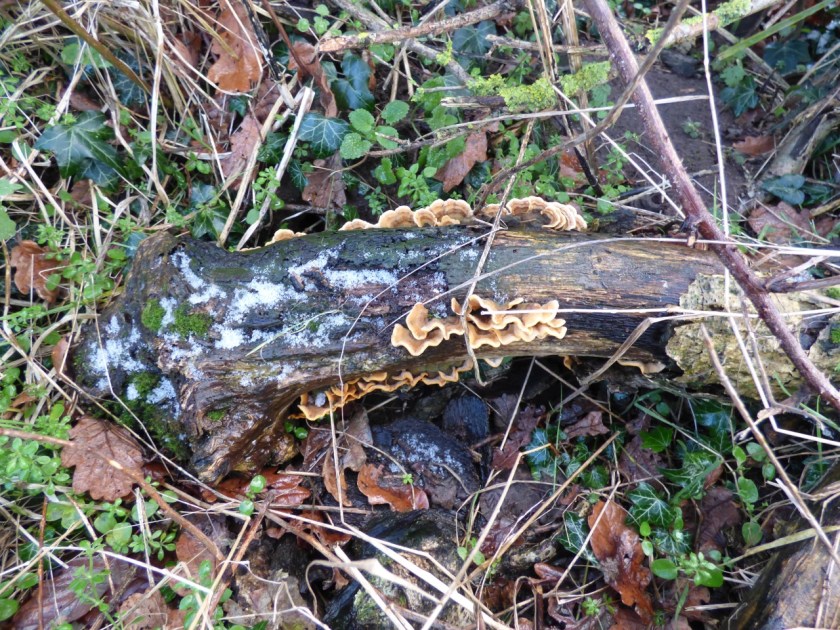
January 15th – one would tend to think that fungi don’t really grow over the winter, but a few species like the cold, wet weather. Here at Hammerwich the turkey tail fungus is growing well on a rolling, windfallen log.

Initially quite dull, when studied closely you can see how this delicate fungus got its name. 

August 31st – I rode out via Canwell and Middleton to Middleton Hall for a cup of tea and cake, all the while in steady rain. I nipped down to Bodymoor Heath, onto the canal and up to Fazeley Junction. Back along the old A5 to Weeford, then home via Shenstone.

It was warm enough, and there wasn’t much in the way of wind. The roads were quiet and the riding fast; but it was very, very grey and very, very wet. The countryside dripped silently little droplets of grey summer sadness.

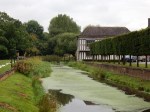
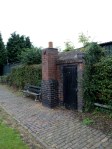
As ever on grey days, there was fun and beauty to be found; the architecture of the canals – not just the bold redbrick house, but the small lock-keeper’s hut with the chimney for a stove (how cosy must that have been in winter?); the Kingsbury lock flight and greenery of the canalside reed bed. Fungus is growing well in the damp, and those polypores were huge. 

Middleton Hall was as stunning as ever.

I just loved the hound tied up outside the cafe. He had an endearing way of looking at you with his head to one side. He was muddy and wet and had clearly been having lots of fun.

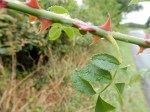
The red and orange spiny, furry growth on the rose stem that looks like a ball of thread? That’s a robins pincushion or Diplolepis rosea – a gall formed, like the oak galls by a wasp. 

I asked a few weeks ago why only the oak is bothered by wasp galls; it’s not only the oak, but mostly. Lime trees, conifers and roses suffer too. Here, a wasp lays 60 or so eggs in a tiny, developing leaf bud, surrounded in a chemical which causes the plant to mutate and grow this furry aberration, which is internally quite solid with cavities for the larva to hatch and feed.

Nature is quite horrific in it’s fascination sometimes. Find out more about this curious parasite here.

May 16th – Everybody go home, I’ve found the king of the polypores.

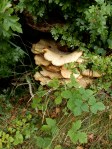
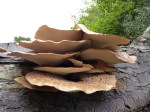
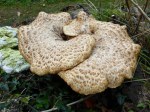
This is wonderful. A felled tree by the roadside near Cat Holme, and upon it a whole host of bracket fungi. The main clump must be 30 inches wide, and 12 inches thick. It’s the largest and healthiest looking polypore bracket colony I’ve ever seen – fresh and perfect.

I was unaware they even grew at this time of year. You learn something new every day.

September 23rd – The fungi is really starting to show now. No fly agaric yet, which is my favourite of all, but I did spot this beautiful golden bracket in Victoria Park, Darlaston today. Growing on an old tree stump, it was bleeding some kind of resin and very very vivid. It appears to be some variety of polypore, but I have no idea what, and the internet and my books haven’t been helpful. The other ones are common puffballs, growing on the canal bank at Pleck. When ripe, they’ll burst and release powdery spores that drift on the wind. 

In all the flora and fauna, the mycology is the most alien and beautiful to me.
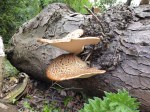
September 1st – A dull, unremarkable autumn day, with a steady, draining wind. I headed out to Middleton and back along the canal through Tamworth to Hopwas. At Camp Road, I spotted a massive bracket polypore fungus growing at the foot of a huge oak tree. This fungi was the biggest I’ve ever seen. It must have been 20 inches wide, and seemed to be supporting a variety of bug life all of it’s own.
Near Bassetts Pole, hops growing wild in the hedgerow.

The view of Middleton over the fields is still gorgeous, and the cat at the lock cottage in Bodymoor Heath was an affectionate, sociable chap.

The day finished with the most remarkable sunset I’ve ever seen. But more of that later…

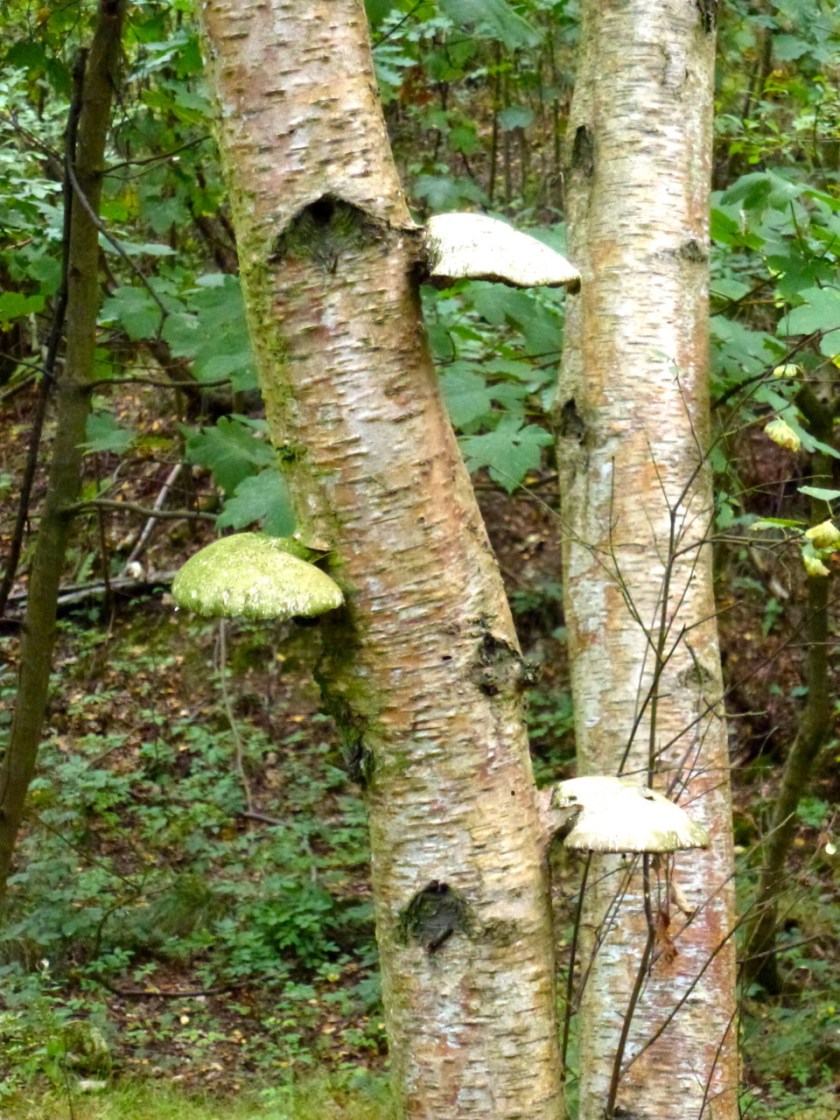
August 13th – Bracket fungus, in this case Birch Polypore, are a common sight in woodlands and scrub around the common at this time of year. They don’t seem to die as quickly as other fungi and often acquire a sheen of algae and detritus as they age. They regenerate by scattering spores from their undersides as animals and the wind come into contact with them. I think there’s three generations here.