October 13th – On the canal bank just above the new pond in Clayhanger, two large, flat stone blocks lay in the grass, as if they’ve just landed randomly. I bet few folk ever notice these, or wonder what they are, but they are the last physical evidence of the industrial past of this peaceful place.

The path that runs from here to the west of Clayhanger follows the line of an old mineral railway, serving Walsall Wood Colliery which used to be just the other side of the canal. The line crossed the cut here via an over bridge, all trace of which has gone.

Except for these capstones, which stood at either end of the bridge parapets. 

A third is in the new pond, placed there as a stepping stone when the pool was created following the removal of the spoil heap that stood here for a few decades after the colliery closed. Like some post-industrial Brigaddon, it emerges in dry summers. 

I’ve never found the missing fourth one, but I bet it’s around, somewhere.

They are all that remains, and how many ever realise the history they belie?
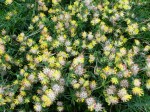
July 4th – Kidney vetch is a local oddity. I only know of it growing in two spots hereabouts – on the bank above the new pond at Clayhanger, and alongside the cycleway running along the old rail line through the Goscote Valley. These two places are entirely consistent with the usual habitat of the plant: cuffs, slopes and sandy soils. 

It’s a fascinating flower, little yellow buds seemingly on little fluffy white balls of cotton-like fibre.

A real curiosity that’s worth looking out for.

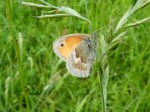
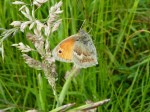
June 9th – I have no idea about Lepidoptera, but spotted this lovely moth (I think) in the flowers near the new pond in Clayhanger. It was beautiful and very active – and along with the bees and a whole host of other bugs, shows why margins and scrubs left to run wild are so very important for biodiversity.

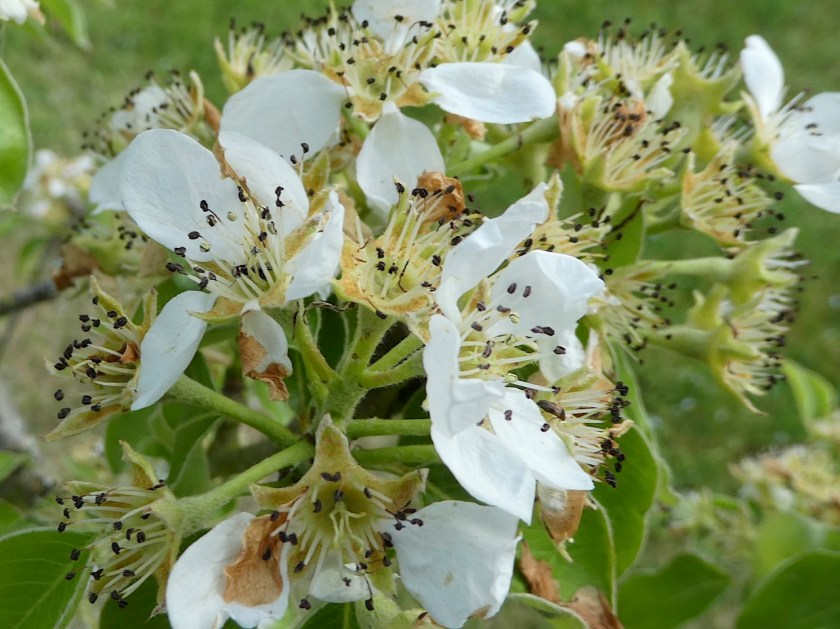
May 9th – Pear blossom lasts but a few days, and you’re lucky to spot it really, but this thick crop of flowers, just going over and scattering like confetti on the strong breeze were profuse on the small pear tree by the new pond in Clayhanger.

Last year the tree fruited well, but with a late frost on the blossom, I’m not sure how well this tree will do this year.

Beautiful while it lasts, though.

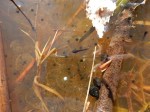
April 2nd – A cracking day. My seasonal clock a bit on the krunk, I went again to Shire Oak Nature Reserve to see if there were amorous amphibians getting busy, only to find none, but some spawn remaining. Clearly, I missed frog soup this year; however, some spawn under the overhanging trees that clearly couldn’t be reached by the dining heron I sacred off was, remarkably, hatching.

Yup, tadpoles are hatched.

There’s a running joke amongst my pals that one should be careful to check my hands for tadpoles and other wildlife slimies before shaking hands.

The cycle of life continues in a small corner of the town, largely undisturbed, as it has done for decades here. Poor heron had to go somewhere else for his tapioca meal, though…

March 30th – I stopped to take a look at the new pond at Clayhanger, which to my surprise, still looks very wintery. It was  far too wet to go down to the water or ride round, and from my vantage point I couldn’t see if the swans were nesting on the island this year.

There were signs of spring, however, in the track adjacent which was of course the line of the mineral railway that served Walsall Wood Colliery. The hedgerows and scrubs forming a woodland tunnel were looking fresh with a smattering of emerald green, fresh growth for the season ahead.

It’s hard to imagine that this time three years ago in 2013, there was still thick snow on the ground – in places several feet deep – that would last for a week or more.

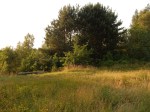
July 8th – An enervating, hectic day from which I returned late. Tired, aching and verging on a sugar crash, I relented and stopped for a rest and a few sweets at the small meadow above the new pond at Clayhanger. I’d caught it in a lovely golden hour, and I reflected on how this spot had changed. When I was a kid, this hollow leading to a sunken pond with tree-lined banks was a spoil heap standing a good ten feet above my head. Between then and now, the colliery spoil was removed, the area landscaped and allowed to mature.

Not all change is for the worst.

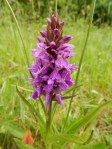
June 17th – This is joyous.On the banks of the new pond at Clayhanger, what I believe to be northern marsh orchids growing in profusion. The grass is not cut here, and there must be 40 or so of these beautiful purple flowers. They are doing well, and they’re just gorgeous.

The whole bank running down from the towpath is a carpet of wildflowers, and alive with bugs and bees.

There are usually a few marsh orchids on the towpath up towards Aldridge, but the Canal and River Trust’s ferocious and inflexible mowing schedule means that all the best specimens have this year been shredded to pulp in the name of tidiness.

Let’s hope the mowing zealots don’t spot these…

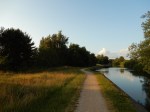
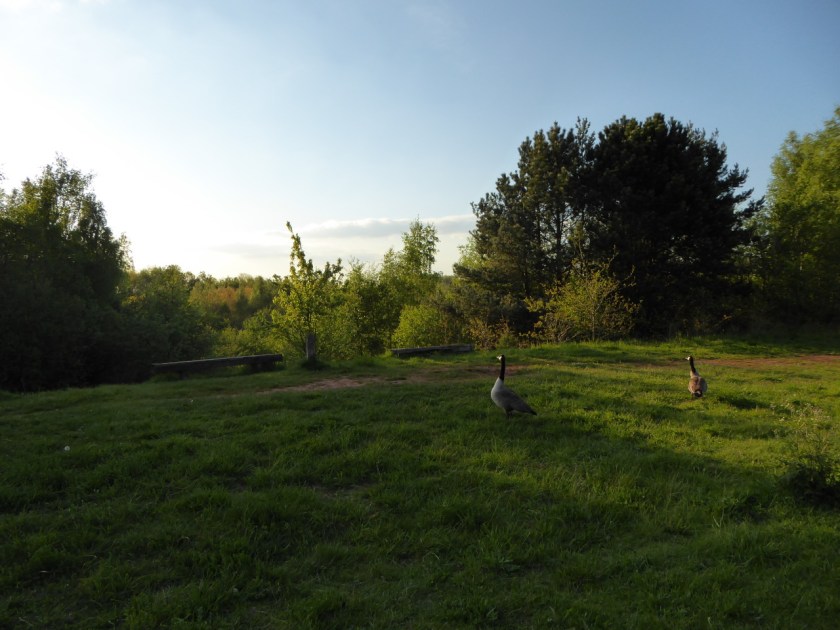
May 13th – Less dramatic and more serene was the view over the new pond at Clayhanger from the canal towpath; caught in a glorious golden hour, the fresh greens glowed in the evening, and all seemed right in the world.

I was, of course, taxed for tidbits by the same pair of geese as usual, the canny devils – all hissing and wing flaps until they get food, then they waddle off, sated.

March 6th – And elsewhere too, on the canal, signs of spring. At Walsall Wood bridge, butties are being loaded from a temporary, rough wharf from a derelict factory yard, ready to supply earth to a worksite near Catshill Junction. Growing from the brickwork canalside nearby, beautiful coltsfoot flowers in abundance, almost hidden from view.

At the new pond in Clayhanger, the scrub and copse still looks barren, but there’s a sense of anticipation, almost as if nature is waiting for the starting gun.