#365daysofbiking Not a great place to break down

December 18th – On the way to an important breakfast meeting in Brum’s Business District, 7:30am. Half way up Moor Street Queensway, one of my brake pads disintegrates in use.

I had thought the calliper had burst, but luckily, the pad just delaminated.

Nothing for it but to effect a running repair – in rubber gloves on the central reservation. In the rain.

The view was good, though.

This journal is moving home. Find out more by clicking here

from Tumblr https://ift.tt/2SGvSwq
via IFTTT

January 4th – In Birmingham for the sfternoon, it was a good chance to fiddle with the new cameras: both gave a good account of themselves. 

As regards the Canon, I discovered I had indeed broken a setting – it has a hardware dial for exposure compensation which I’d inadvertently adjusted, making my pictures dark.

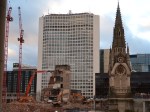
Birmingham itself is still doing what it does best – changing. The Brutalist treasure that is Alpha Tower seems forlorn and distraught before the demolition of the last part of the Conservatoire and Fletcher’s Walk, and new buildings are springing up all over the city centre.

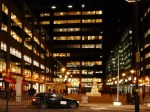
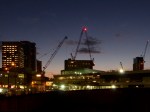
But it’s the quiet urbanity and light that charms in Birmingham most, when night falls. I still love this place with all my heart, but I’m getting to the point where I don’t recognise whole parts of it anymore.

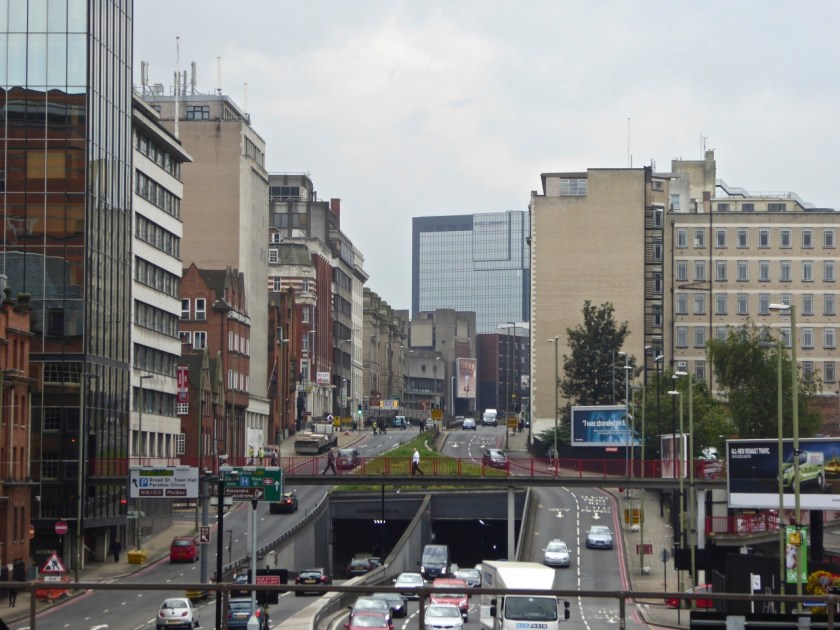
September 15th – Returning to Birmingham via Snow Hill station, an absolutely remarkable view up Great Charles Street to Paradise Circus over the Queensway Tunnels. Several styles of architecture here from Victorian to Brutalism. 

And beneath it all, a beautiful, glorious city lives and breathes.

This is my Birmingham.

May 9th – I popped into Birmingham to run a few errands and cycled in via Roman Road, Sutton Park, and then onto the North Birmingham Cycleway down past Witton Lakes. I returned via Plants Brook and Sutton, but more on that later.

I had business up at Constitution Hill, and on the way, I remembered these odd utility blockhouses marooned in the centre of the recently rebuilt St. Chad’s Circus. These substation-like buildings are the one solid remnant of the old subterranean subway complex; overlooked by the Catholic Cathedral, they are a chilling reminder of the cold war.

They are plant and ventilation installations for Anchor Exchange, a huge, sprawling, underground nuclear blast-proof telecommunications exchange beneath the streets of Birmingham. Mostly now abandoned, Anchor only exists as cable tunnels, having been rendered obsolete by the end of the communist threat and advent of the internet.

Anchor was built at the same time as Birmingham built the inner ring road, or ‘concrete collar’; the hated gyratory system that consisted of flyovers and tunnels called queensways. Birmingham City Council have spent 20 years now destroying the concrete collar, and putting traffic on the same level as the human city, but Anchor is still ever-present.

There were several entrance points to Anchor from these tunnels, and the complex was an open secret for decades. 

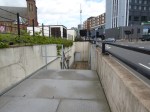
It’s telling that long after its usefulness ended, Anchor still requires maintenance and support; this closed stairwell with it’s original rails on the right and peculiar textured facing is one of the only pieces of evidence left on the surface, belying what lies beneath.

November 21st – At the other end of the day, it was even colder. But the air had developed that hard, glassy-clear quality that it only really develops in winter; when even sounds seem sharper. I noticed as I hopped between stations that the view of the mid-renovation New Street Station, Bullring and Smallbrook from the access bridge was quite stunning, so I stopped to photograph it a while.

Quite surprised I wasn’t collared by the ever-present security as I took these, to be honest…